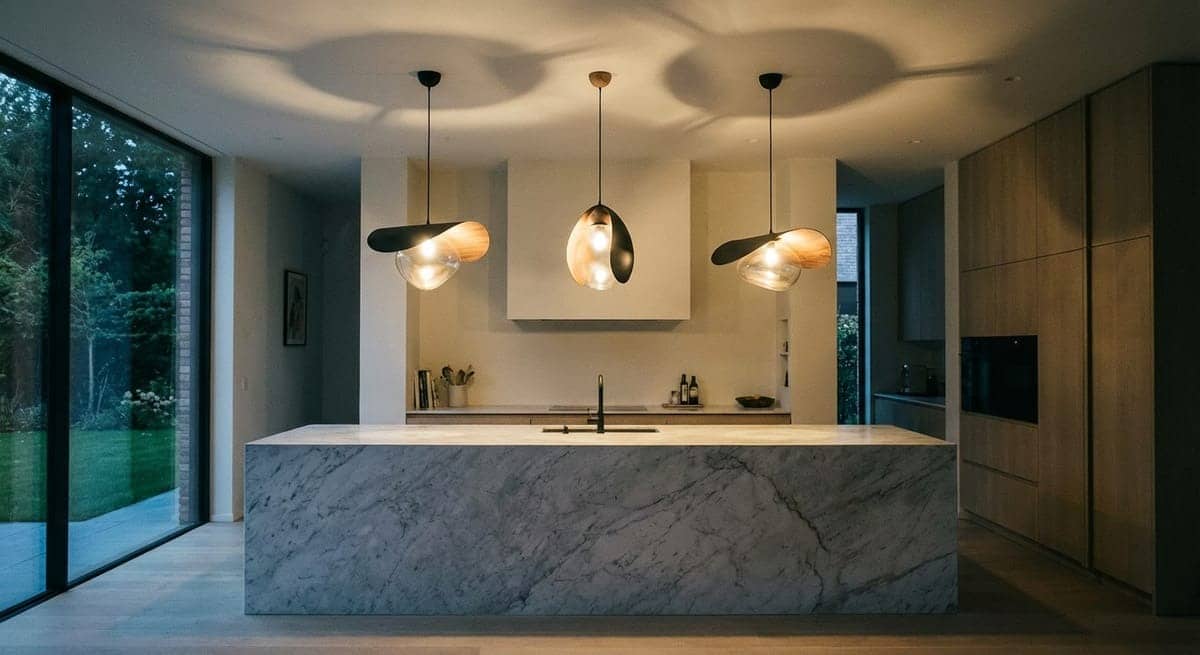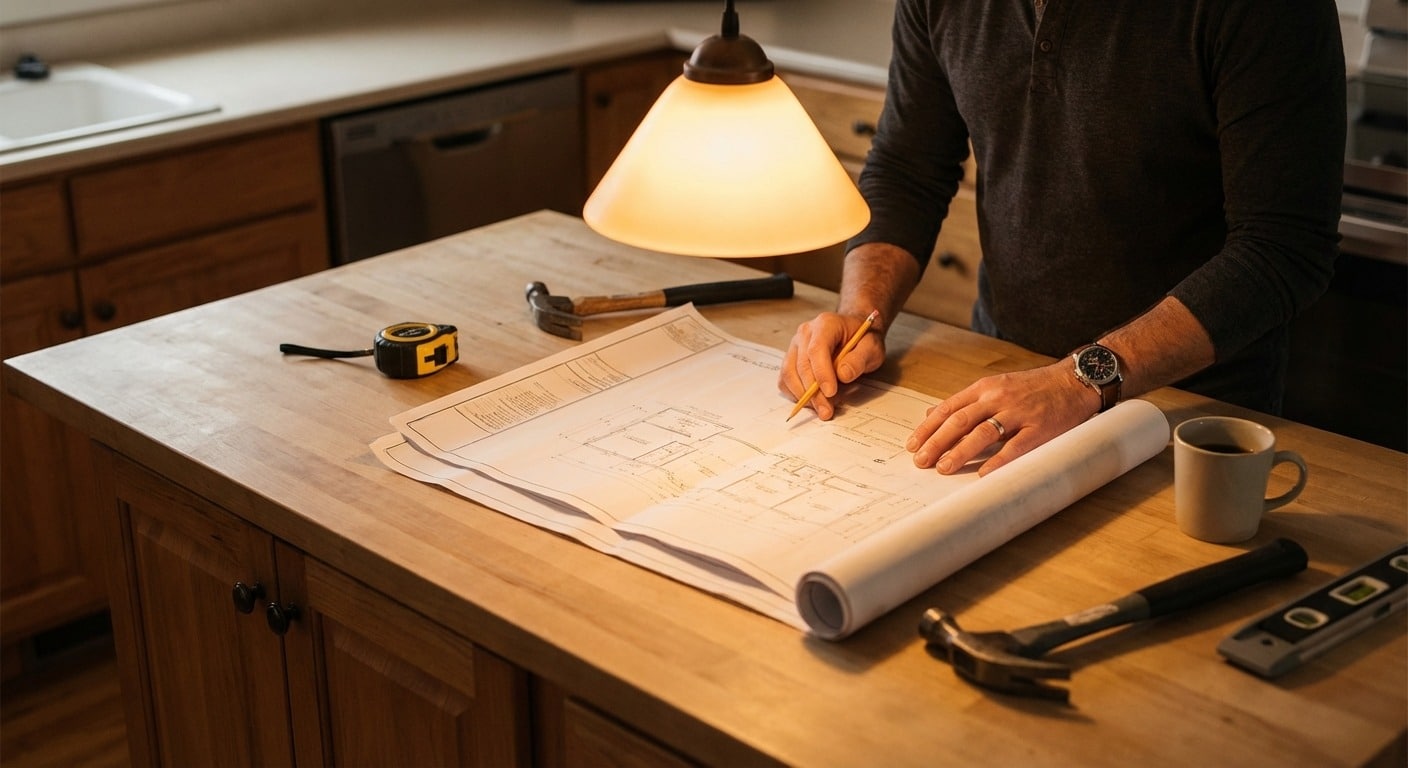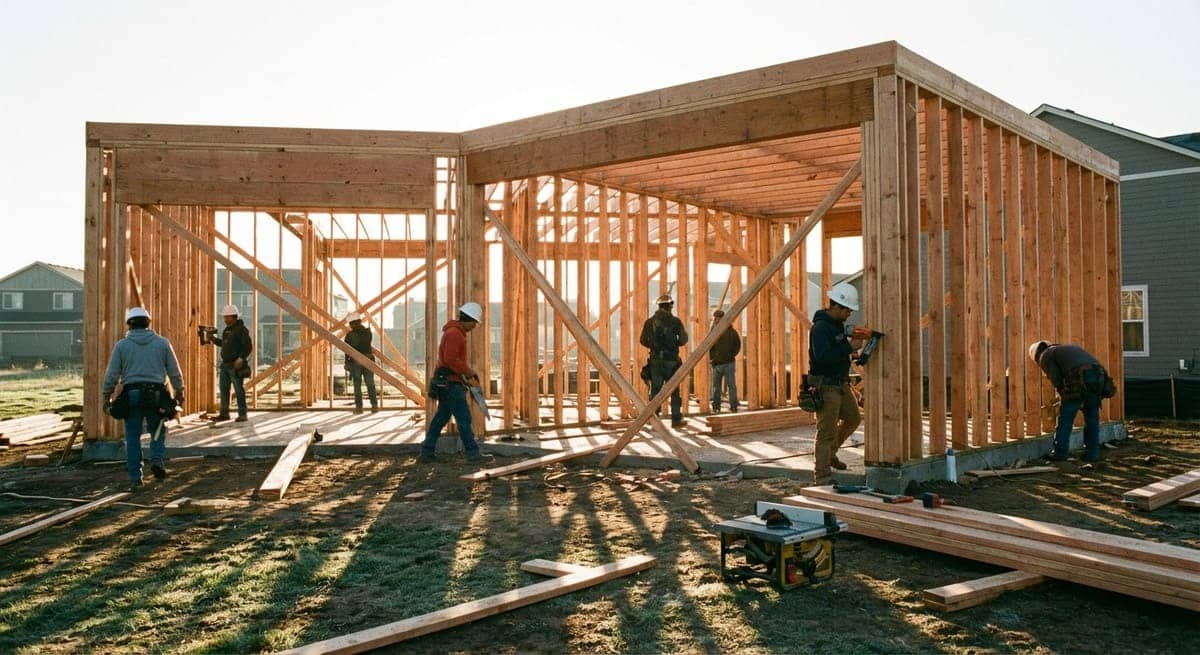
You’re standing at a crossroads that will shape your family’s life for the next decade. Should you build a custom home on that beautiful piece of raw land in Cherokee County with mature trees and rolling hills, or choose that ready-to-build lot in an established Alpharetta community with amenities and neighbors?
This decision affects your budget, construction timeline, daily lifestyle, and long-term property value. After building custom homes across Metro Atlanta for over two decades, we’ve guided hundreds of families through this exact choice. This guide helps you identify which path aligns with your goals.
Table of Contents
Quick Decision Framework: Which Path Fits Your Goals?
At-a-Glance Comparison
| Factor | Your Own Property (Raw Land) | Subdivision Community |
| Privacy & Space | High – 2-10+ acres with natural buffers | Limited – 0.25-1 acre lots, closer neighbors |
| Design Freedom | Complete – no architectural restrictions | Moderate – architectural review required |
| Construction Timeline | 12-18 months from land purchase | 6-9 months from lot selection |
| Infrastructure Costs | You pay upfront – wells, septic, utilities | Included in lot price – ready connections |
| Monthly Fees | None ongoing | HOA fees apply |
| Amenities | What you build yourself | Pools, clubhouses, trails included |
| Builder Choice | Select any licensed contractor | May be restricted to approved builders |
You’re a Great Fit for Building on Your Own Property If You Want
Privacy and space matter more than convenience and community. You want complete architectural freedom without design committees reviewing every detail. You’re comfortable with longer construction timelines and complex land development processes.
You have budget flexibility for utility hookup and infrastructure investments. You prefer natural surroundings over neighborhood amenities. HOA rules and fees don’t appeal to you. Future expansion possibilities like workshops, pools, or guest houses interest you.
You’re a Great Fit for Subdivision Building If You Need
Faster, more streamlined building process. Community amenities like pools and trails add value for your family. You prefer established neighborhoods near schools and shopping.
Turnkey infrastructure and shorter construction timelines reduce home improvement stress. You’re comfortable with architectural guidelines and HOA oversight. Easier financing approval matters for your situation. You don’t need acreage or extensive outdoor space.
Neither choice is inherently better. They serve different priorities. Families who regret their decision didn’t fully understand the trade-offs before committing to their lot type.
What Each Option Actually Costs & Requires
Cost confusion drives more anxiety than any other factor when comparing these paths. Generic nationwide guides don’t reflect Atlanta’s specific realities: our clay soil issues, county-by-county permit variations, and infrastructure requirements that vary dramatically between lot types.
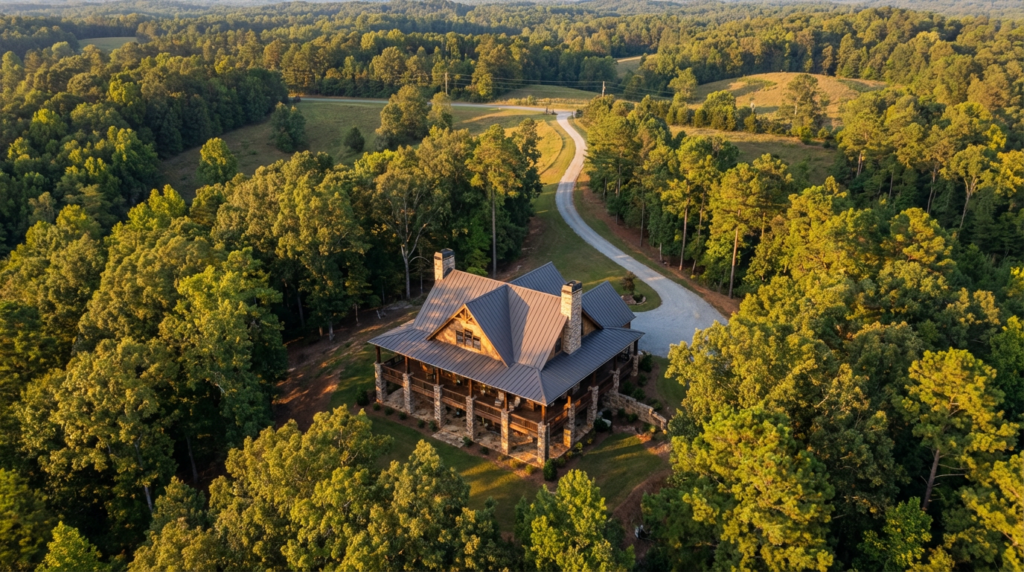
Building on Your Own Property
Custom home building on raw land involves two distinct investments: land acquisition and infrastructure development before construction begins.
Land Acquisition by County
Cherokee County (Woodstock, Canton) offers buildable raw land at moderate prices, depending on accessibility and topography. Forsyth County (Cumming area) sees similar pricing with premiums near Lake Lanier or top-rated school zones. North Fulton (Milton, Alpharetta) commands Atlanta’s highest land development costs, reflecting proximity to job centers. Paulding County offers the most affordable acreage options for buyers willing to trade commute time for space.
Infrastructure Investment Breakdown
Well Installation: Metro Atlanta wells reach 150-400 feet, accessing bedrock aquifers for consistent water quality. The Georgia Environmental Protection Division requires pressure tanks meeting ASME standards and pump systems with check valves preventing backflow. Wells must maintain minimum distances from septic systems, property lines, and contamination sources per building permit requirements.
Septic Systems: Georgia’s clay soil necessitates advanced drain field designs. Conventional septic systems require 600-900 square feet of drain field for three-bedroom homes. When soil percolation rates exceed acceptable limits, alternative systems using aerobic processes or sand filters become necessary.
Utility Hookup: Georgia Power covers line extensions up to specified distances at no charge. Beyond that threshold, utility connection costs increase. Propane systems require tanks meeting National Fire Protection Association standards with minimum clearances from buildings.
Site Preparation: Georgia’s clay soil demands French drain systems and careful grading. Site work includes clearing, grading, driveway installation, and drainage solutions on typical properties.
Survey and Testing: Boundary surveys, soil testing, and environmental assessments add to upfront building costs.
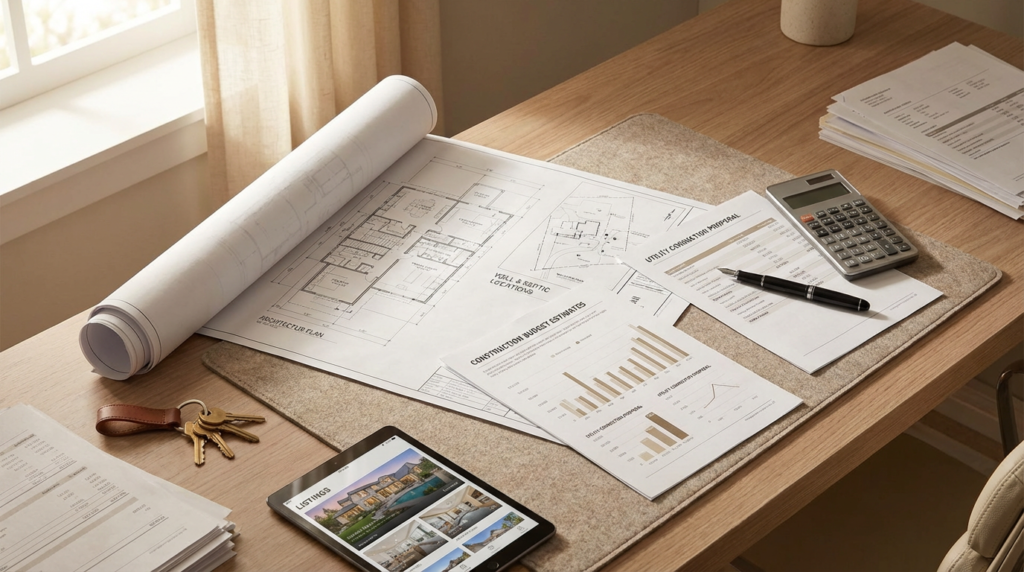
Infrastructure investments represent a significant portion of your total project budget when building on raw land. Unlike subdivision lots where these costs are included in the purchase price, you’ll coordinate and pay for each component separately.
Learn the difference between soft vs hard costs.
Building in Atlanta Subdivisions:
Finished Lot Premium
North Fulton subdivisions (Alpharetta, Johns Creek) command premium prices for finished lots. Forsyth County communities offer more moderate pricing. East Cobb neighborhoods fall in between. The lot price includes all infrastructure: roads, utilities, storm drainage, street lighting, and water/sewer connections.
Ongoing HOA Fees
Basic subdivision HOAs charge annually for common area maintenance. Mid-range communities with pools and playgrounds cost more. Premium communities with extensive amenities represent the highest ongoing expenses.
Over ten years, even modest HOA fees accumulate substantially. Higher-end communities represent significantly larger long-term expenses.
Architectural Review & Tap Fees
Architectural review requires one-time fees. Utility tap fees (where applicable) add to initial costs.
Long-Term Cost Comparison
10-Year Ownership Analysis
Raw land builds with higher upfront infrastructure costs may actually cost less over a decade than subdivision builds when accounting for accumulated HOA fees. Consider the total picture: upfront investments plus ongoing expenses over your planned ownership period.
Financing Differences for Each Option
Raw Land Loans: Banks consider raw land higher risk. Expect larger down payments. Lenders require detailed site plans, proof of utilities availability, approved septic permits, and soil test results. Many lenders cap financing at a percentage of total project costs.
Subdivision Loans: Finished lots receive more favorable terms. Down payments run lower. Streamlined approvals and construction-to-permanent loan products consolidate multiple transactions into single closings.
Before shopping for land or lots, get pre-qualified including land/lot costs, construction expenses, and infrastructure investments. Many buyers focus only on construction costs, then discover budget constraints.
What Are The Advantages of Building on Your Own Property?
The Freedom and Space You Gain
Acreage and Privacy: In Cherokee and Forsyth counties, 2-10 acre properties remain accessible for custom home building. Paulding County offers even larger tracts. This space creates natural buffers. No one hears your gatherings, no one complains about your activities.
Architectural Freedom: No committee reviews your color choices. No zoning restrictions limit your roofline. No guidelines dictate your porch size. You work directly with your architect creating something unique without subdivision design constraints.
Natural Surroundings: Many raw land properties feature mature hardwoods, small creeks, rolling topography, and wildlife habitats. These create peaceful environments subdivision living can’t replicate.
Builder Selection Flexibility: You’re not limited to approved builder lists. Interview multiple contractors, compare approaches and pricing, and select the builder whose craftsmanship fits your expectations.
Future Expansion: Want a detached workshop in five years? Pool and pool house? Guest cottage? Basketball court? Raw land accommodates these dreams without HOA approval or architectural review.
Property Value Appreciation: Well-chosen locations with 2-5 acres, convenient access to job centers and top school districts appreciate faster than subdivisions as Metro Atlanta expands outward.
Complexities of Raw Land Development
Infrastructure Responsibility: You coordinate well drillers, septic contractors, and utility companies. Each has their own schedules. You manage permits with county health departments. You navigate easement requirements. This requires time and patience.
Sequencing Matters: Septic permits require approved soil tests. Wells need completion before septic installation. Utilities won’t schedule connections until building permits are issued. Delays cascade through your timeline.
Longer Construction Timelines: Raw land projects span 12-18 months versus 6-9 months for subdivisions. Additional time comes from land due diligence (1-2 months), septic and well permitting (2-4 months), utility connections (1-3 months), and site preparation before construction begins.
Site-Specific Challenges: Soil testing might reveal poor load-bearing capacity requiring expensive foundation solutions. Water table depth might necessitate deeper well drilling. Topography might demand extensive grading. Wetlands might limit building site options.
Georgia’s environmental regulations protect streams and wetlands through buffer requirements. The Environmental Protection Division enforces 25-50 foot undisturbed zones along state waters. Properties with steep slopes require engineered erosion control measures.
Permit Complexity: You’re obtaining septic permits from county health departments, well permits from environmental agencies, driveway permits from road departments, and potentially erosion control permits. Each involves applications, fees, inspections, and waiting periods.
What is the process to build your land?
Phase 1: Land Acquisition (Months 1-2)
Find suitable properties, verify zoning restrictions, review easements, test soil percolation, confirm utility availability, complete boundary survey.
Phase 2: Site Survey & Testing (Months 2-3)
Commission topographical survey, conduct soil bearing tests, identify optimal building site, mark well and septic locations.
Phase 3: Well & Septic Permitting (Months 3-5)
Submit septic permit application, pass percolation test, receive approved design, schedule well drilling, test water quality.
Phase 4: Building Permit (Months 4-6)
Submit construction plans, address review comments, obtain approved permits, confirm utility connection schedules.
Phase 5: Utility Connections (Months 5-7)
Coordinate power company, arrange propane if needed, install septic system, complete well pump installation.
Phase 6: Site Preparation (Months 6-7)
Clear building site, install erosion control, grade for drainage, install driveway base, establish utility trenches.
Phase 7: Construction (Months 7-16)
Foundation through completion with regular inspections.
Phase 8: Final Inspections (Months 17-18)
Pass all inspections, obtain certificate of occupancy, complete landscaping, move in.
Best Atlanta Metro Areas for Custom Homes
Cherokee County: Excellent value, good schools, reasonable commute. Areas around Woodstock and Canton provide rural character with convenient access. Zoning allows one home per two acres, ensuring privacy.
Forsyth County: Top-rated schools, Lake Lanier proximity. Still find quality acreage at accessible prices in South Forsyth and western areas.
Paulding County: Most affordable acreage, ideal for remote workers or longer commutes. Genuine five-plus acre properties available.
North Fulton: Premium pricing but compelling benefits. Milton areas balance acreage availability with convenient location. Closer to Alpharetta’s job centers.
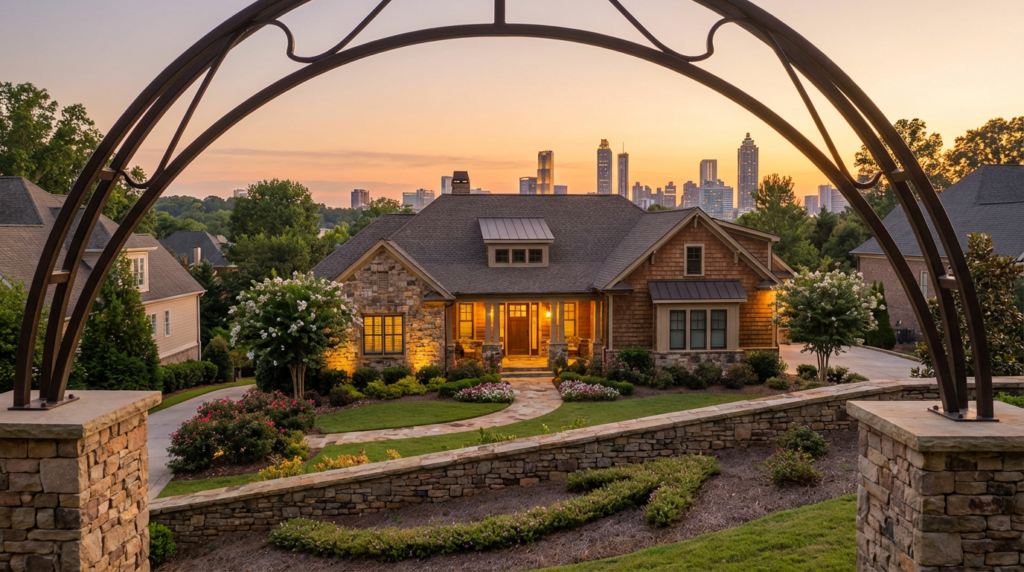
What Are The Advantages Of Building in a Subdivision?
The Convenience and Community You Get
Turnkey Infrastructure: Everything’s ready. Roads, utilities, water, sewer, storm drainage, street lighting. You’re not coordinating multiple contractors; you’re focusing on home design.
Municipal water provides EPA-standard pressure with emergency backup. Sewer connections eliminate septic maintenance. Underground utilities create cleaner sight lines and reduce storm damage risks.
Shorter Construction Timelines: Subdivision building runs 6-9 months from lot selection to move-in. This compressed schedule works for families facing lease expirations or school year transitions.
Community Amenities: Resort-style pools, clubhouses, walking trails, fitness centers, tennis courts. These would cost far more to build privately. Premium amenities include professional pool maintenance, liability insurance, organized social events, and comprehensive landscaping services.
Established Neighborhoods: You’re near quality schools with proven track records. Shopping and services exist nearby. Houses around you create instant character. Street trees provide a mature appearance immediately.
Community Connections: Regular pool visits introduce neighbors. Children playing in parks create natural interactions. HOA events build relationships. For families valuing community, subdivisions facilitate connections isolated rural living doesn’t provide.
Easier Financing: Lenders view subdivision lots as lower risk. Banks recognize established communities, understand values through comparable sales, and process loans efficiently. Lower down payments, faster approvals, less documentation.
What are the disadvantages of living in a Subdivision
HOA Fees and Rules: Annual assessments vary widely based on amenities. These fees never disappear and increase periodically to cover rising costs. Insurance for common areas, landscaping contracts, and facility maintenance drive costs up. Well-managed HOAs maintain reserves, but all face cost pressures.
Architectural Restrictions: Committees must approve exterior colors, roofing materials, home styles, landscaping plans, even mailbox designs. You’ll submit detailed plans for review, potentially requiring revisions. This adds time and removes creative control.
Privacy Limitations: Quarter-acre to one-acre lots mean homes sit closer together. You’ll hear neighbors’ activities. They’ll see your gatherings. Privacy fencing helps but doesn’t eliminate awareness of nearby families.
Ongoing HOA Rules: HOAs regulate exterior modifications, vehicle parking, boat/RV storage, yard maintenance, holiday decorations, and rental restrictions. Violations result in fines or liens. These rules protect values but limit freedom.
Limited Expansion: Adding workshops might violate setbacks. Building pools requires HOA approval for fence style. Converting garage space might conflict with parking requirements. Starting home businesses might face restrictions.
What is the process to build in a Subdivision
Phase 1: Lot Selection (Month 1)
Tour available lots considering sun exposure, privacy, amenity distance, backyard space. Review HOA documents including covenants, architectural guidelines, fees, and financial health. Purchase selected lots.
Phase 2: Design & Architectural Review (Months 1-3)
Work with a builder to design a home. Submit plans to architectural review boards. Address feedback and revise. Receive approval.
Phase 3: Building Permit (Months 3-4)
The builder submits plans to the county. Plan review proceeds faster than raw land because utilities are established. Receive approved permit.
Phase 4: Construction (Months 4-8)
Foundation through finishing with regular inspections.
Phase 5: Final Inspections (Month 9)
Pass building inspections, complete HOA inspection, obtain certificate of occupancy, move in with immediate amenity access.
Top Atlanta Subdivisions for Custom Home Building
Cumming/Forsyth Communities: Competitive lot pricing compared to North Fulton. Top-rated Forsyth schools, generous lot sizes with many acre-plus options, modern amenities.
East Cobb Communities: Select neighborhoods allow custom construction. Established Cobb schools, mature trees, convenient access, half-acre to one-acre lots.
When evaluating subdivisions, verify builder restrictions, review architectural guidelines, understand approval timelines, and confirm amenity access timing.
Get Started Today
Building your custom home represents one of life’s most significant investments and exciting milestones. The difference between a smooth, satisfying experience and a stressful, costly ordeal comes down to the builder you choose.
For expert guidance on selecting the right professional for your project, we’ve created a comprehensive resource on hiring home remodeling contractors in Georgia covering credentials, contracts, and communication. Understanding home addition permits in Georgia helps you navigate regulatory requirements whether you’re building on your own property or in a subdivision.
Contact Artistic Construction
- Call (678) 613-3424 for immediate consultation scheduling
- Complete our online consultation request form
- Visit our Woodstock office to discuss your project
We serve families throughout Cherokee County, Forsyth County, North Fulton, Cobb County, and surrounding Metro Atlanta communities. Whether you’re purchasing raw land tomorrow or exploring subdivision options over coming months, we’re here to provide guidance and construction expertise transforming your vision into reality.
Your dream home awaits on private acreage you’ve been dreaming about or in the vibrant community that fits your lifestyle. Let’s build it together with the craftsmanship, communication, and comprehensive service our clients have trusted for over 22 years.
Frequently Asked Questions
Can I build a workshop later on subdivision property?
Most subdivisions restrict outbuildings through architectural covenants requiring committee approval for size, placement, and materials. Review your HOA’s covenants before purchasing if future outbuildings matter. Raw land properties allow outbuildings subject only to county setback requirements.
What if my well runs dry after construction?
Wells properly sited and drilled rarely run dry in Metro Atlanta, but drought occasionally affects shallow wells. Most drillers provide one-year warranties covering adequate water production. Solutions include deepening existing wells, drilling supplemental wells, or installing larger storage tanks.
Do architectural committees reject custom home plans?
Committees rarely reject outright but commonly require revisions for exterior materials, colors, or roof styles not matching community character. Working with builders experienced in your target subdivision reduces revision cycles. Plan submissions require 2-3 weeks for review.
How do property taxes compare between raw land and subdivision lots?
Assessments reflect total property value including land and improvements. Subdivision lots in established areas may carry higher assessments due to neighborhood comparables and amenities. Raw land assessments vary based on acreage and location.
What internet speeds can I expect on rural property?
Rural options improved dramatically with Starlink providing 100+ Mbps speeds with reasonable latency. Traditional satellites offer slower speeds with higher latency. Some rural areas receive cellular-based home internet delivering 50-100 Mbps. Research specific addresses before purchasing if remote work requires reliable connectivity.
Which option has better resale value in Atlanta?
Both paths show strong appreciation when well-executed. Subdivisions sell faster due to comparable sales and established neighborhoods. Raw land homes (especially 2-5 acres) command premiums from buyers seeking privacy but attract a smaller buyer pool. Location and quality matter more than lot type for long-term value.