 Est. 2003
Straight, plumb, load-bearing.
Retaining walls, structural walls, stem walls and foundation walls for commercial properties. Formed, reinforced, poured and finished by a crew that has been doing this across Cherokee County for 23 years.
Poured concrete walls
They hold what they’re built to hold.
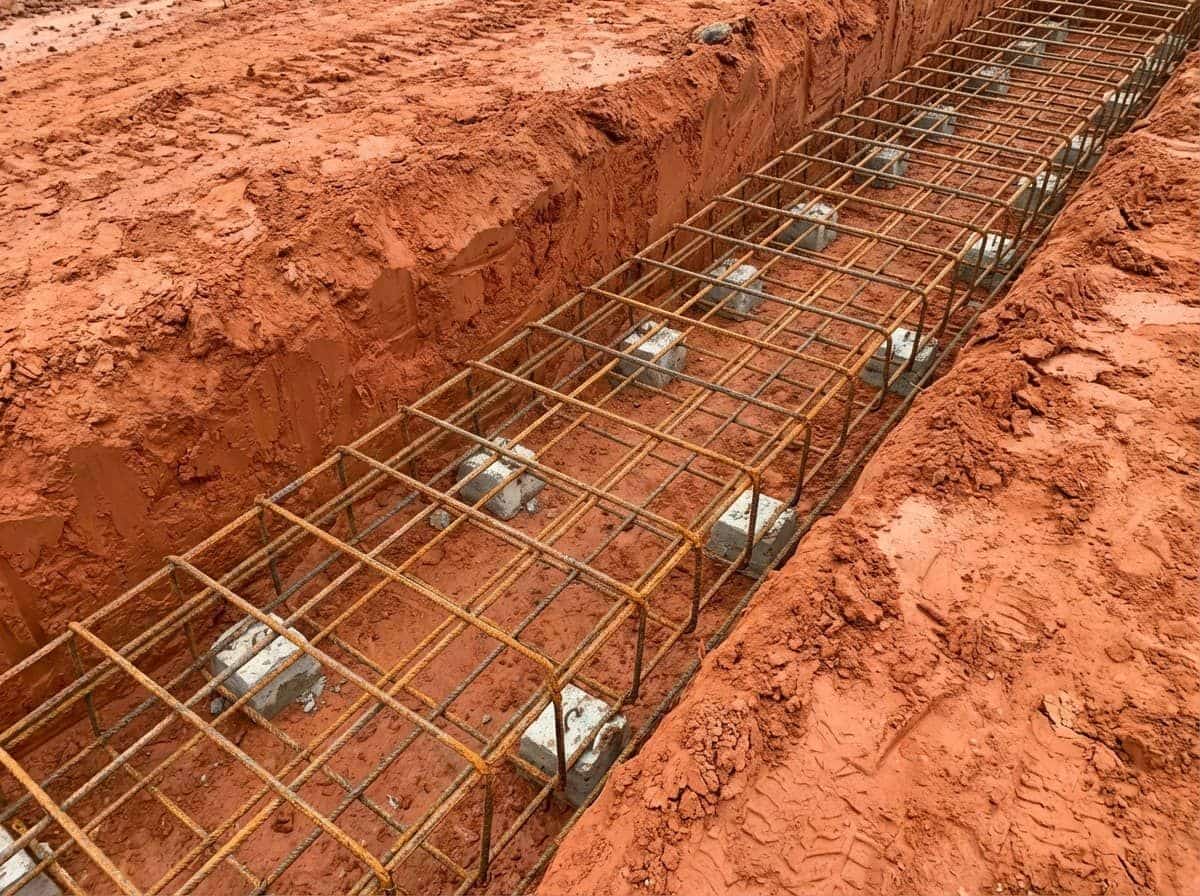
Poured walls are one of the most demanding types of concrete work. The forms have to be set precisely. The rebar has to be placed exactly where the engineer specified. The concrete has to be consolidated during the pour so there are no voids or honeycombing. When the forms come off, the wall needs to be straight, plumb and clean.
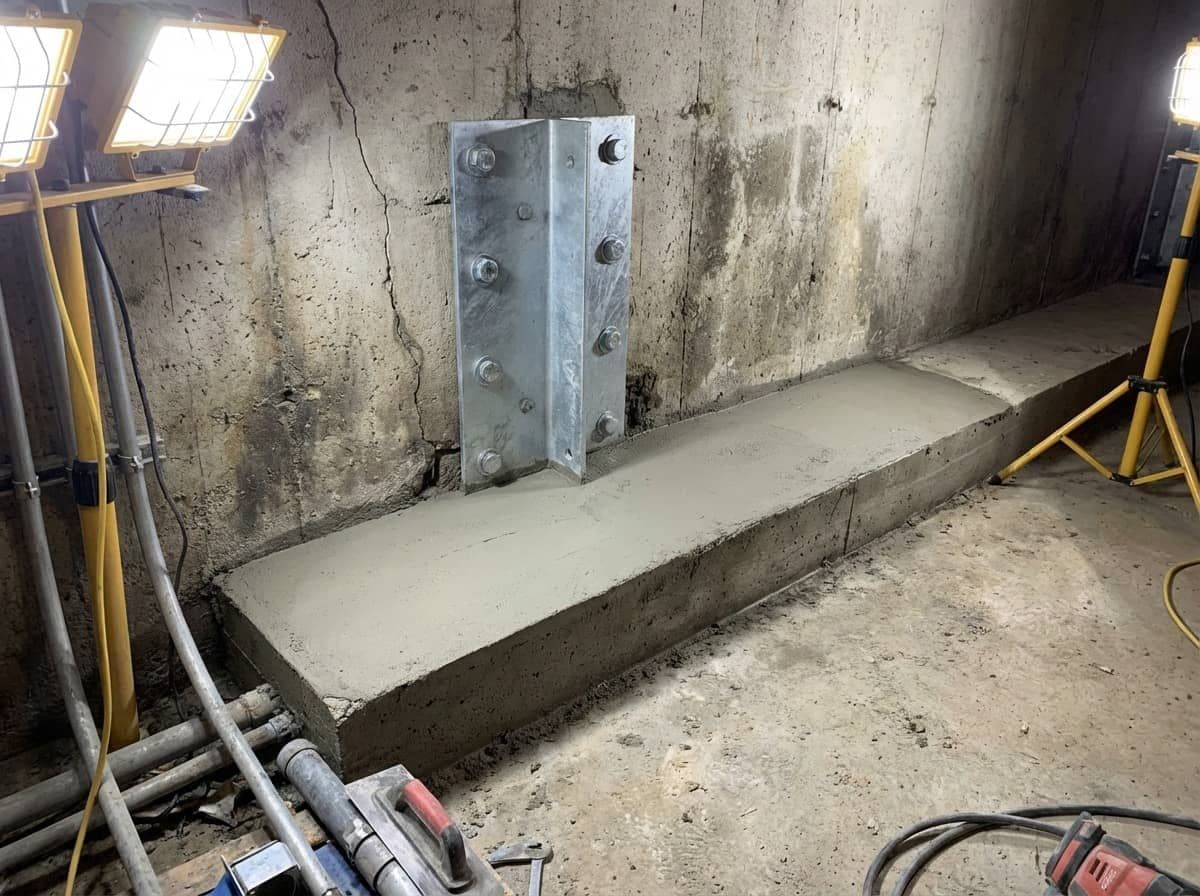
We pour walls for retaining applications, structural support, stem wall foundations and full below-grade foundation systems on commercial properties. Every wall is formed and poured to the engineered specifications, with the reinforcement, thickness and finish the project requires.
Artistic Construction has been pouring commercial concrete walls across Cherokee County and North Georgia for 23 years. We handle forming, rebar, the pour, stripping, waterproofing and backfill. One crew from start to finish.
 Poured, Not Block
Poured vs. block
Why poured walls over block.
Block goes up one course at a time with mortar joints between every unit. A poured wall is placed as a single monolithic element. On commercial work that has to retain earth or stay dry below grade, that difference decides how the wall performs.
- ✓Monolithic construction is stronger than mortar-jointed block walls
- ✓No mortar joints means fewer weak points for water intrusion
- ✓Better lateral strength for retaining earth and managing soil pressure
- ✓Faster to pour than laying block one course at a time
- ✓Easier to waterproof for below-grade foundation applications
Types of walls we pour
Commercial concrete wall services.
Different commercial applications require different wall types. Here’s what we handle across North Georgia.
Retaining Walls
Hold back earth on sloped commercial lots, create level building pads, and manage grade transitions between parking areas, buildings and adjacent properties. Engineered for the specific soil pressure and surcharge loads on your site.
Structural Walls
Load-bearing walls that carry building loads from the structure above down to the foundation. Reinforced and sized to the structural engineer’s design for the dead and live loads of your building.
Stem Walls
Short walls that sit on top of footings and raise the building above grade, the transition between the foundation below ground and the structure above. Common on commercial buildings where the finished floor has to sit above the surrounding grade.
Foundation Walls
Full-height below-grade walls that form the perimeter of a building’s foundation. They resist lateral soil pressure, support the structure above, and get waterproofed to keep the interior dry. Forming, rebar, pour, waterproofing and backfill.
How we pour them
Form, steel, seal.
Formed True
Forms braced square and plumb so the wall comes out straight.
Reinforced
Rebar sized and placed for the retained or structural load.
Drainage
Proper backfill and drainage behind retaining walls.
Waterproofed
Foundation walls sealed and protected before backfill.
Our process
How we pour a commercial wall.
Plan Review
Review engineered plans, confirm wall dimensions, rebar schedule and finish requirements.
Excavation
Dig to the required depth, pour the footing the wall will sit on, and let it cure.
Form & Reinforce
Set wall forms plumb and braced. Place rebar to the engineering spec. Call for inspection.
Pour & Consolidate
Place concrete in lifts, vibrate to consolidate and eliminate voids, then finish the top of the wall.
Strip & Waterproof
Remove forms, apply waterproofing membrane, install drainage and backfill.
Where we pour
Poured concrete walls across North Georgia.
We pour commercial concrete walls throughout Cherokee County and the surrounding metro area.
Common questions
Poured wall FAQ.
What types of concrete walls do you pour for commercial projects?+
We pour retaining walls, structural walls, stem walls and full foundation walls for commercial properties. Each type serves a different function: retaining walls hold back earth and manage grade changes, stem walls sit on footings to support the structure above, structural walls carry building loads, and foundation walls form the below-grade perimeter of a building.
How tall can a poured concrete wall be?+
Wall height depends on the structural engineering and the loads the wall needs to handle. Most commercial retaining walls we pour range from 4 to 12 feet. Taller walls require thicker cross-sections, heavier reinforcement, and often counterforts or buttresses. Everything is sized by the engineer based on the soil pressure, surcharge loads and site conditions.
Do you handle the waterproofing on foundation walls?+
Yes. Foundation walls that will sit below grade get waterproofed after the forms are stripped. We apply waterproof membrane or coating, install drainage board where required, and make sure the backfill and drainage system are set up to keep water away from the wall. Waterproofing is part of the scope, not an afterthought.
What’s the difference between a poured wall and a block wall?+
Poured concrete walls are formed and placed as a single monolithic element, which makes them stronger and more waterproof than block walls. Block walls are built one course at a time with mortar joints that can be weak points for water intrusion and cracking. For commercial applications that require structural strength or below-grade waterproofing, poured walls are generally the better choice.
How long does it take to pour a commercial retaining wall?+
A standard commercial retaining wall project takes 1 to 3 weeks depending on the length, height, site access, and whether there is existing structure to work around. That includes excavation, footing pour, wall forming, rebar placement, the wall pour, stripping, waterproofing and backfill. We give you a realistic timeline during the estimate.
Do retaining walls need engineering?+
In most cases, yes. Cherokee County and the surrounding jurisdictions typically require engineered plans for retaining walls over 4 feet tall. Even shorter walls benefit from engineering when they are holding back heavy loads or supporting structures above. We coordinate with structural engineers regularly and can manage that process for you.
Can you pour walls on a sloped commercial lot?+
That is where a lot of our wall work comes from. Sloped commercial lots in North Georgia often need retaining walls to create level building pads, manage grade transitions and prevent erosion. We evaluate the slope, work with the engineer on the wall design, and handle the full scope from excavation to backfill.
Related scope
Related commercial concrete services.
Need a wall poured?
Send the design for a bid.
Share the wall design and site details and we’ll return clear numbers.