Your 1920s Craftsman bungalow has crown molding and hardwood floors that modern construction can’t replicate. But the electrical system predates World War II, the kitchen hasn’t been updated since 1985, and those original windows are beautiful but drafty. You want the character that drew you to this historic home, but you need it to function for how you actually live.
Historic home remodeling in Atlanta requires specialized knowledge most general contractors don’t have. From navigating Certificate of Appropriateness applications to sourcing period-appropriate materials that meet modern building codes, every decision impacts both your home’s architectural character and resale value.
Artistic Construction specializes in historic home renovation across metro Atlanta’s distinguished neighborhoods from Marietta’s Glover Park to Inman Park’s Victorian streetscapes.
Table of Contents
What Makes Historic Home Remodeling Different From Standard Renovation
Historic home remodeling in Atlanta bears little resemblance to standard residential construction. Homes built between 1890 and 1950 used construction methods and materials that have largely disappeared from modern building practices.
Structural Surprises in Pre-1950 Atlanta Homes
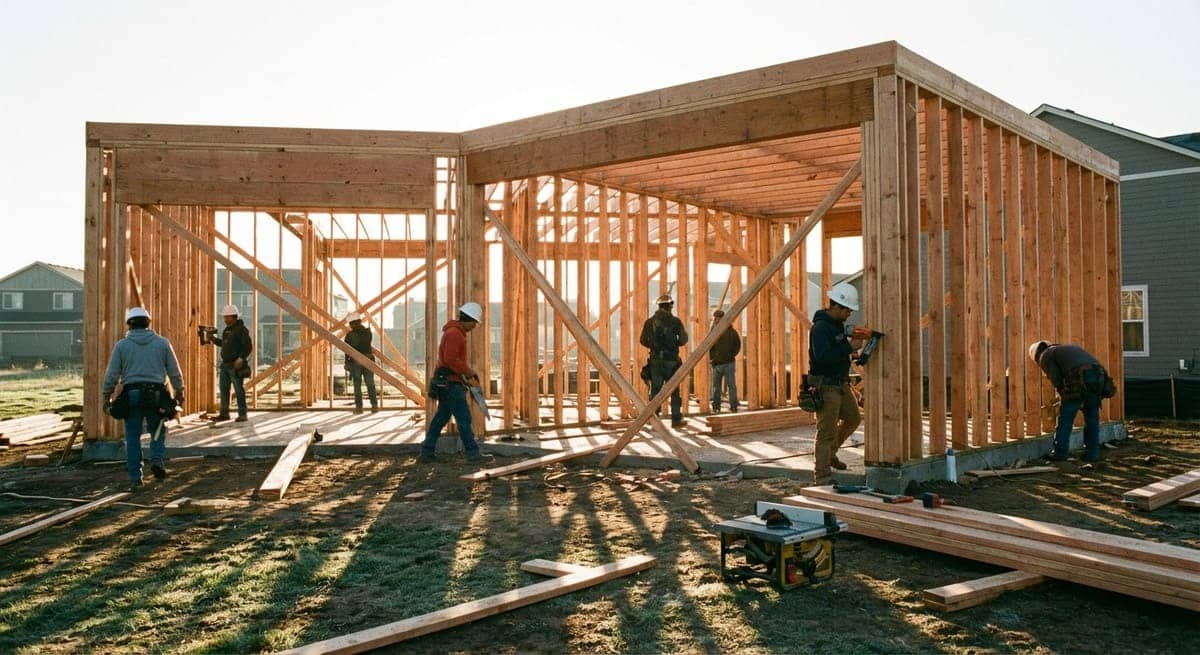
Balloon framing, common in historic homes before 1940, runs vertical studs from foundation to roof without the fire stops that modern platform framing includes. Current building codes require installing horizontal fire blocking at each floor level.
Knob-and-tube wiring poses safety and insurance challenges. Many insurers refuse coverage or charge substantial premiums for homes with active knob-and-tube electrical systems. Complete replacement becomes necessary, but routing new electrical through original plaster walls without destroying historic finishes requires specialized techniques.
Cast iron plumbing corrodes from the inside out. You might see no visible damage until water pressure drops or a pipe bursts inside a finished wall. Camera inspections reveal internal pipe condition before emergencies occur.
Foundation settling affects period homes differently than modern construction. Many pre-1940 Atlanta homes rest on brick or stone foundations that shift over decades. Doors that stick, floors that slope, and cracks that reappear indicate foundation movement requiring structural assessment before cosmetic work begins.
How to Navigate Historic District Preservation Regulations
Certificate of Appropriateness requirements add 4-8 weeks to project timelines in designated historic districts. Every exterior modification requires approval from local preservation commissions before renovation work begins.
The Atlanta Urban Design Commission reviews projects in Inman Park, Virginia-Highland, and Grant Park. Marietta’s Historic Preservation Commission oversees Glover Park remodeling. Roswell’s Preservation Commission governs the Canton Street historic district.
Interior work doesn’t require COA approval, unless it affects exterior appearance or involves structural changes visible from the street. Adding a bathroom window, removing a chimney, or expanding into a porch all trigger review requirements.
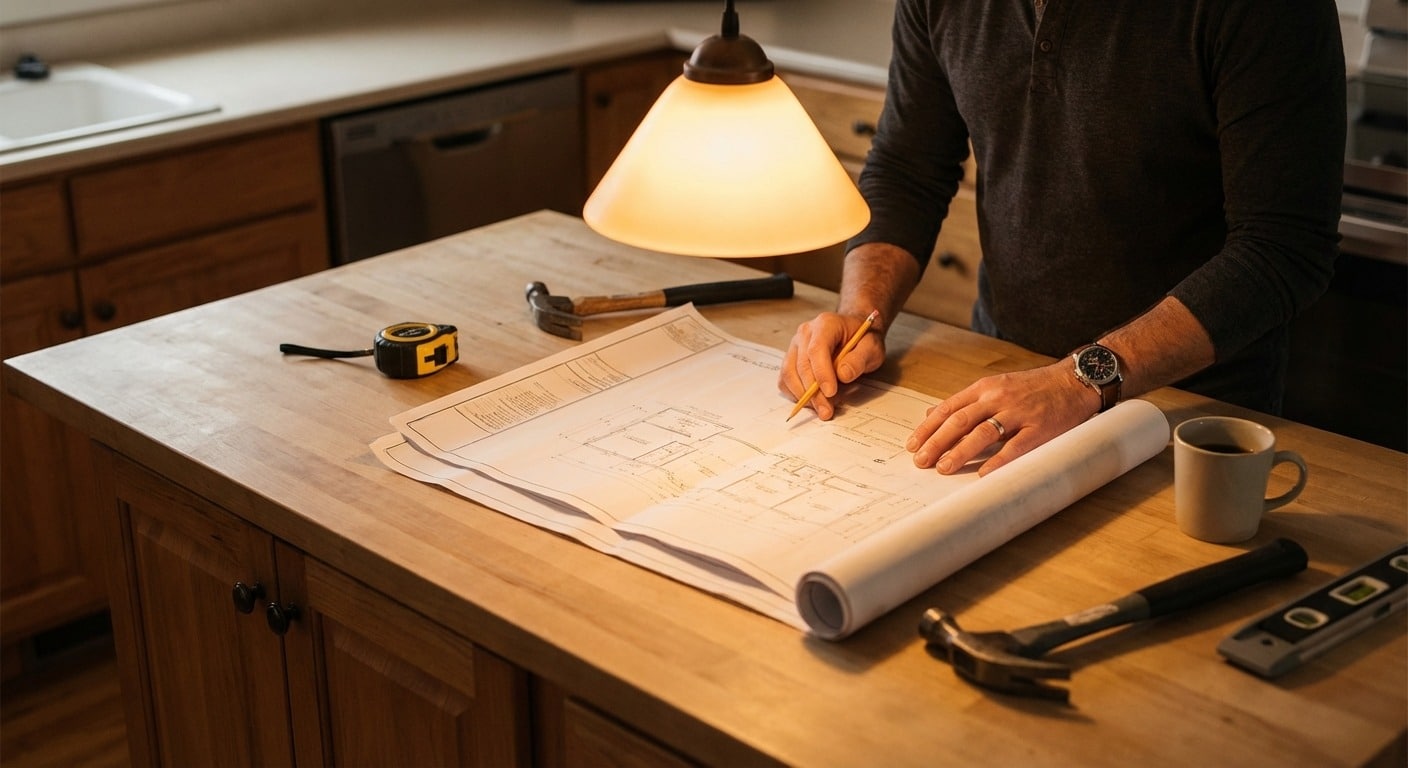
Commission review meetings follow monthly schedules with application deadlines 2-3 weeks before each meeting. Applications require architectural drawings, material specifications, photographs, and written project descriptions.
Artistic Construction maintains relationships with preservation commissions throughout metro Atlanta. We prepare applications, attend review meetings, and guide designs through approval with a 95% first-submission approval rate.
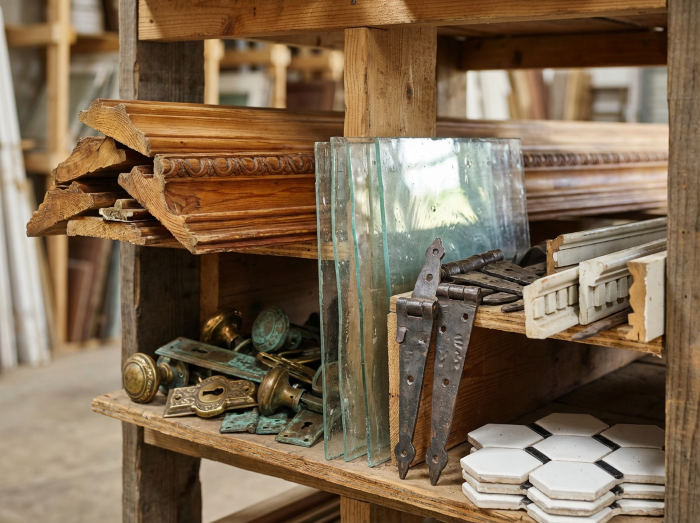
Finding Period-Appropriate Materials for Authentic Restoration
Authenticity matters in historic restoration, but so does availability, cost, and code compliance. Original heart pine flooring, wavy glass windows, and hand-forged hardware aren’t manufactured anymore.
Architectural salvage yards throughout Georgia stock original materials from demolished historic homes. Salvaged materials require careful inspection and yield only 60-70% usable material after removing damaged sections.
Custom millwork shops reproduce moldings, trim, and built-ins using period-appropriate profiles, though costs run 3-4 times standard trim prices.
Modern alternatives provide the most practical solution in many cases. Fiberglass windows manufactured to match original proportions, composite trim that replicates wood profiles, and period-style lighting with LED efficiency maintain aesthetic integrity while meeting current performance standards.
Historic Home Renovation Timeline and Cost Realities
Permit approval processes alone add 4-8 weeks to projects in designated historic districts. Certificate of Appropriateness applications require monthly commission review cycles. Building permits follow COA approval, adding another 2-3 weeks.
Specialized craftsmen, plasterers, restoration carpenters, period tile installers, maintain fuller schedules because fewer practitioners possess these preservation skills.
Careful demolition to preserve original elements takes longer than conventional tear-out. Removing a wall while saving crown molding, baseboard, and chair rail for reinstallation requires hours of hand work.
Historic home remodeling takes 25-40% more time than comparable standard remodeling.
For more help, see hiring a remodeling contractor.
Historic Home Remodeling Services We Provide in Metro Atlanta
Historic Kitchen Remodeling Solutions
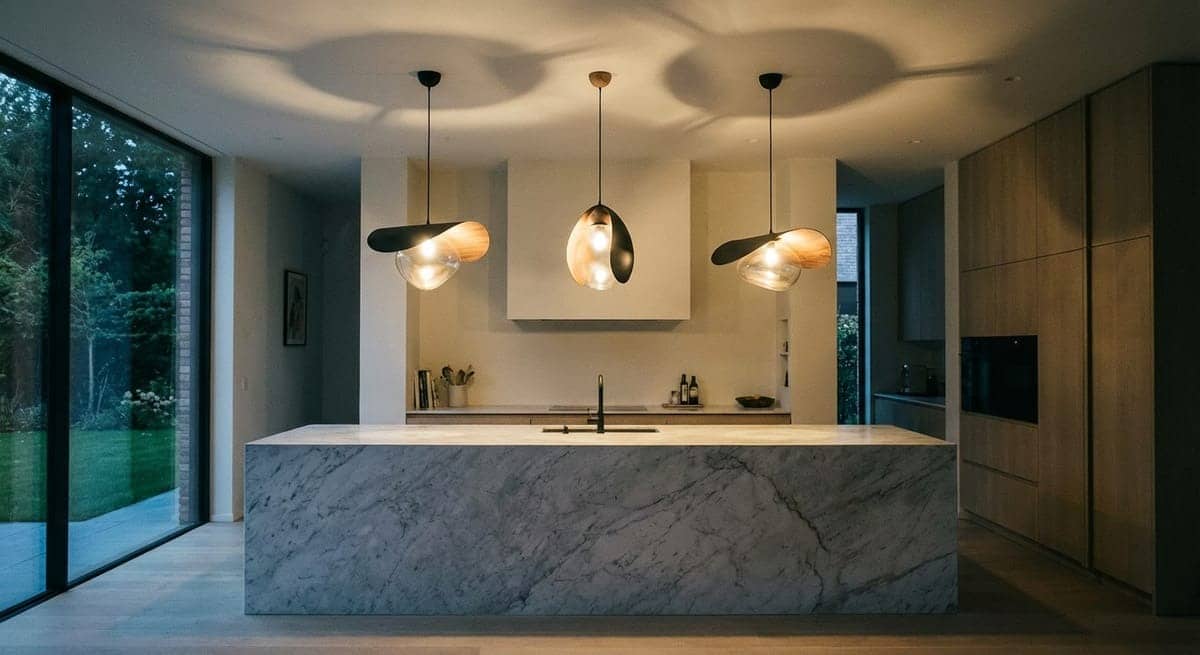
Kitchen renovation in historic homes presents the sharpest tension between preservation and modernization. Original cabinets and built-ins represent irreplaceable craftsmanship but lack storage, workspace, and appliance accommodation contemporary cooking requires.
We preserve and restore original cabinetry whenever possible in historic kitchen remodeling, refinishing vintage wood, replacing damaged sections with matching profiles, and retrofitting modern hardware while maintaining period appearance. Panel-ready appliances integrate into existing cabinetry without compromising character.
Modern function fits within historic footprints through careful layout optimization. Safety standards receive attention, GFCI outlets, adequate circuit capacity, proper lighting, and code-compliant ventilation all integrate invisibly within preserved architectural character.
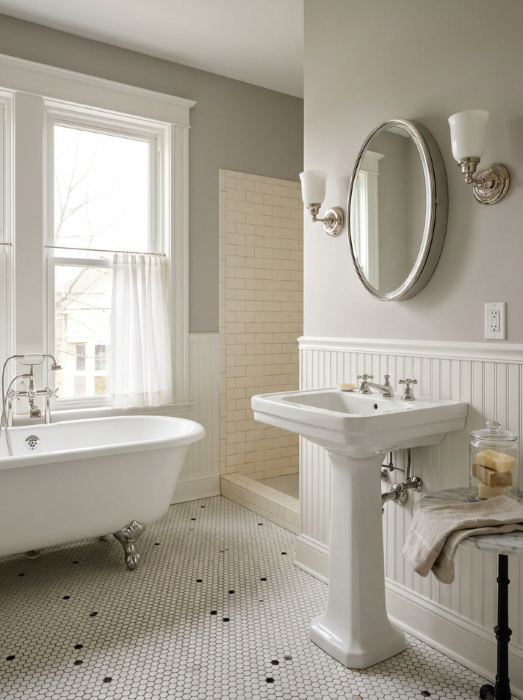
Period Bathroom Renovation Services
Authentic bathroom fixtures define period character more than any other room. Clawfoot tubs, pedestal sinks, hex tile floors, and vintage lighting create immediate era recognition.
We source restored original fixtures and quality reproductions matching your home’s period for historic bathroom renovation. Modern plumbing systems install behind preserved walls, updating performance without damaging original plaster or tile. Water-efficient fixtures with vintage aesthetics deliver contemporary performance with authentic appearance.
Moisture control requires specialized attention. Proper ventilation, moisture barriers, and waterproofing protect wood framing and plaster walls while maintaining breathability that historic materials require.
Basement Finishing in Historic Home Renovations
Historic basements present unique challenges. Pre-1950 basements feature 6’6″ to 7′ ceiling heights, stone or brick foundations without waterproofing, and minimal natural light.
Foundation condition assessment comes first in basement remodeling. Stone and brick foundations may need pointing, sealing, or structural reinforcement before finishing begins. Repointing with appropriate lime-based mortars restores foundation integrity.
Moisture management systems, interior drainage, sump pumps, vapor barriers, must work with existing foundations. Installing perimeter drainage channels around basement interiors intercepts groundwater before it enters living spaces.
Code-compliant egress windows in older structures require careful integration and preservation commission approval in many cases.
Whole-Home Historic Renovation Projects
Comprehensive renovation maintains architectural consistency throughout while selectively modernizing systems and spaces. We develop phased plans allowing continued occupancy when possible, completing work room-by-room or floor-by-floor.
Flow improvements respect original layouts while removing later modifications that disrupted spatial relationships. Opening kitchens to dining rooms restores historic entertaining patterns while accommodating modern family life.
Energy efficiency upgrades, insulation, air sealing & efficient HVAC improve comfort and performance without compromising character. Dense-pack cellulose insulation fills walls through minimal access holes, improving thermal performance while respecting original plaster.
Historic Home Addition Design and Construction
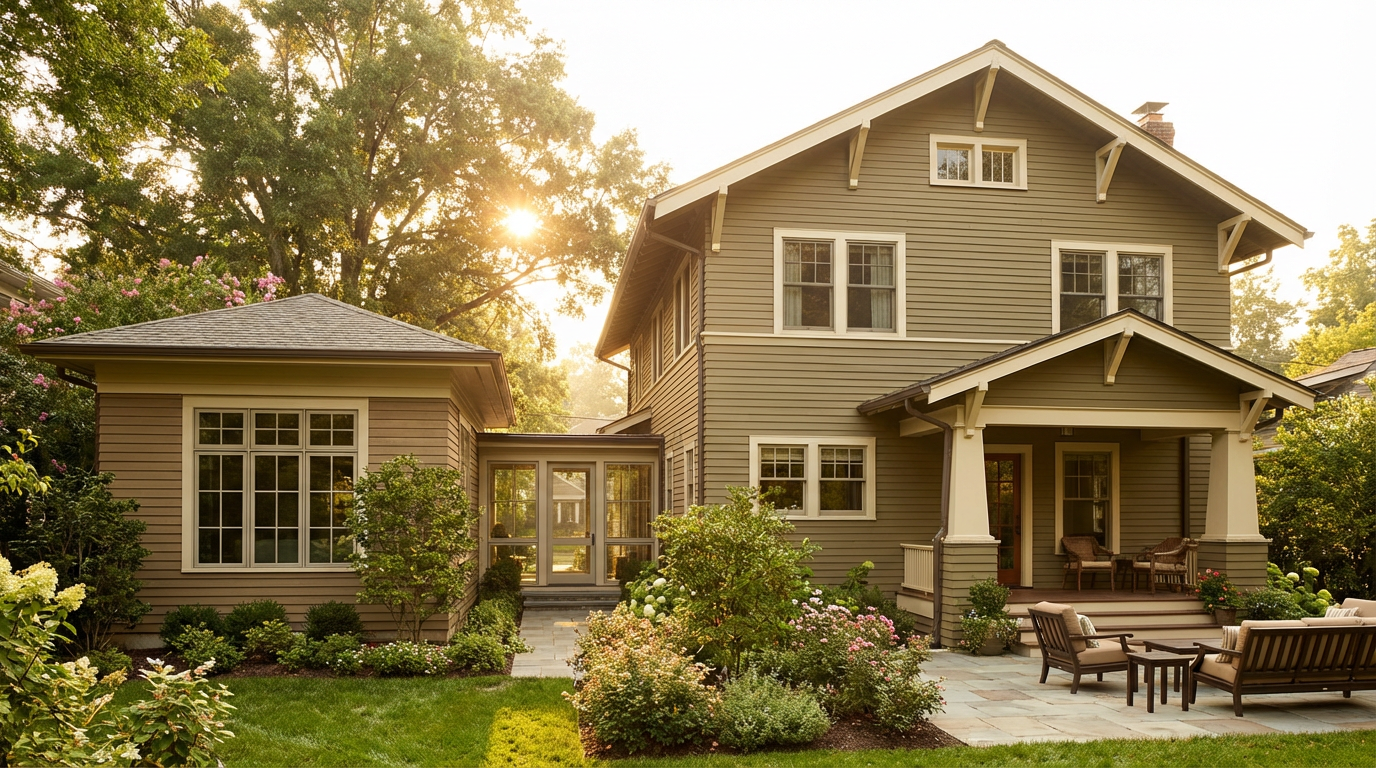
Adding space to historic homes requires designs that complement rather than compete with original architecture. Matching rooflines, selecting appropriate materials, and respecting window proportions separate successful additions from obvious modern insertions.
Certificate of Appropriateness approval demands careful design for historic home additions. We design additions that read as compatible later additions rather than attempting to replicate original construction. Additions maintain subordinate positions to original structures, with setbacks behind primary facades minimizing visual impact.
Exterior Restoration and Historic Home Updates
Original siding, windows, porches, and roofing define your home’s streetscape presence. Exterior work receives the most preservation commission scrutiny because it affects historic district character.
Original wood siding proves more repairable than initial assessment suggests in many cases. Selective board replacement, proper painting preparation, and addressing moisture sources extend original siding life decades.
Window restoration versus replacement demands careful evaluation. Original wood windows in good structural condition can be restored to modern performance standards through weather-stripping, reglazing, and storm window addition.
Porch restoration preserves character-defining features while addressing structural deterioration. Original porch columns, railings, and decorative brackets define architectural styles but suffer from weather exposure.
Learn about stress-free home remodeling.
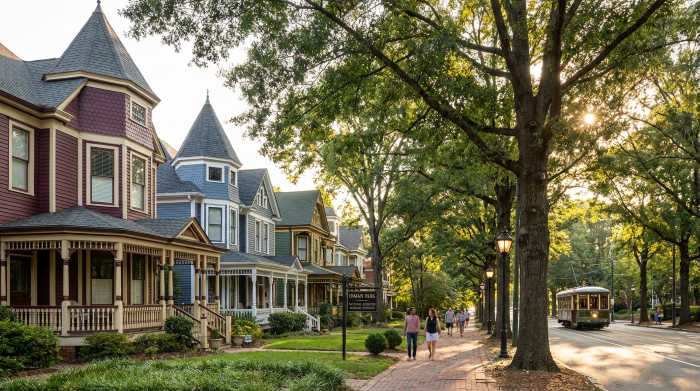
Metro Atlanta Historic Neighborhoods Where We Provide Remodeling Services
Marietta Historic District Renovation Projects
Marietta’s historic core features exceptional Victorian, Neoclassical, and Craftsman architecture. The Marietta Historic Preservation Commission maintains design review standards that balance preservation with practical homeowner needs.
We’ve completed historic home renovations throughout Marietta’s designated districts, developing expertise in local review processes and design preferences.
Roswell Historic Preservation Commission Area Renovations
Roswell’s Canton Street historic district and surrounding residential neighborhoods contain significant concentrations of antebellum, Victorian, and early 20th-century homes. The Roswell Preservation Commission enforces strict exterior modification standards.
Successfully navigating Roswell’s preservation requirements demands understanding commission precedents and preferences.
Inman Park and Virginia-Highland Historic Home Renovations
Atlanta’s first streetcar suburbs showcase Victorian and Craftsman architecture within walkable, urban contexts. The Atlanta Urban Design Commission reviews all exterior modifications in these neighborhoods.
Victorian homes in Inman Park represent Atlanta’s late 19th-century prosperity. Virginia-Highland’s Craftsman bungalows reflect early 20th-century development patterns.
Grant Park, Druid Hills, and Ansley Park Historic Renovations
These established intown neighborhoods each possess distinct architectural character and regulatory frameworks. Grant Park’s Victorian cottages, Druid Hills’ Tudor Revival estates, and Ansley Park’s eclectic early 20th-century collection create diverse preservation contexts.
National Register district status in Druid Hills adds federal tax credit opportunities for income-producing properties.
Check out the top neighborhoods to live in Metro Atlanta!
How to Navigate Historic Permits and Preservation Regulations
Certificate of Appropriateness Requirements
COA applications document proposed exterior changes and demonstrate compliance with local historic district guidelines. COA approval must precede building permits.
Most interior work doesn’t require COA approval, with important exceptions. Interior changes affecting exterior appearance, structural modifications visible from outside, or work in locally designated interior landmarks all trigger preservation review.
Application components include site plans, architectural drawings showing existing and proposed conditions, material specifications, and photographs.
Atlanta Urban Design Commission Historic Home Requirements
The AUDC oversees approximately 20 designated historic districts within the city. Review criteria focus on design elements visible from public rights-of-way: building massing, rooflines, window and door proportions, materials, and colors.
Commission staff provide preliminary consultations before formal applications, identifying potential concerns and suggesting design modifications.
Working With the Georgia Historic Preservation Division
State-level involvement occurs for properties listed on the National Register or when homeowners pursue tax credits. The Georgia Historic Preservation Division reviews proposed work for compliance with Secretary of Interior Standards.
Federal tax credits reach 20% of qualified rehabilitation expenses, with Georgia state credits adding another 25% for income-producing properties.
How to Balance Historic Preservation and Modern Comfort
Preserving Character While Updating Home Systems
Original architectural features define your home’s character. Mechanical, electrical, and plumbing systems hidden behind walls can be completely modernized without affecting visible character.
HVAC system upgrades dramatically improve comfort without compromising historic features. Mini-split systems eliminate ductwork that would damage original plaster.
Electrical system replacement works behind walls and ceilings, bringing modern capacity and safety without visible changes. Period-appropriate cover plates and fixtures maintain authentic appearance.
Insulation improvements dramatically enhance comfort while remaining invisible. Blown-in attic insulation increases R-values to modern standards. Dense-pack cellulose wall insulation installs through small access holes, filling wall cavities without removing interior plaster.
Original Features Worth Saving in Historic Home Restoration
Original hardwood flooring in pre-1940 homes features superior lumber: tight-grained heart pine or oak unavailable in modern construction. Original hardwood floor restoration beats replacement in both character preservation and long-term value.
Built-in cabinetry, bookcases, and window seats represent custom craftsmanship reflecting your home’s era. Restoration maintains these defining features while improving function.
Plaster walls and ceilings provide superior acoustics, thermal mass, and durability compared to drywall. Three-coat plaster systems create harder, more durable surfaces.
Where Modernization Makes Sense in Historic Home Remodeling
Kitchen and bathroom layouts from the pre-1950 era rarely accommodate contemporary needs. Reconfiguring these spaces while preserving architectural features creates necessary function without erasing character.
Energy efficiency improvements deliver comfort and cost savings historic construction never achieved. Window restoration combined with storm windows, proper insulation, air sealing, and efficient mechanical systems create comfort levels impossible with unmodified historic systems.
Code compliance upgrades override preservation concerns when safety issues emerge. Knob-and-tube wiring replacement, foundation stabilization, and fire blocking installation represent necessary safety upgrades.
Period-Appropriate Material Alternatives for Historic Renovation
Fiber cement siding matching original wood profiles provides authentic appearance with minimal maintenance. Quality products carry 50-year warranties and require repainting only every 15-20 years versus 5-7 years for wood.
Modern vinyl and aluminum clad wood windows combine authentic interior appearance with low-maintenance exteriors.
Period-style lighting with LED technology delivers authentic appearance with modern efficiency. Reproduction fixtures matching your home’s era use 80% less energy than incandescent bulbs.
Financial Incentives for Historic Home Renovation Projects
Federal Historic Preservation Tax Credits
The Federal Historic Preservation Tax Credit provides 20% credit against federal income taxes for substantial rehabilitation of income-producing historic properties. Rental properties and home offices used exclusively for business may qualify.
Properties must be listed on the National Register or contribute to National Register-listed historic districts.
Georgia State Historic Tax Credits for Renovation
Georgia provides 25% state income tax credits for rehabilitation of historic income-producing properties, stacking with federal credits for total 45% credit against qualified expenses.
Property Tax Benefits and Grants for Historic Homes
Local property tax benefits vary by jurisdiction but provide reassessment protections and preferential valuations for properties maintaining historic character. Conservation easements may generate charitable contribution deductions and property tax benefits.
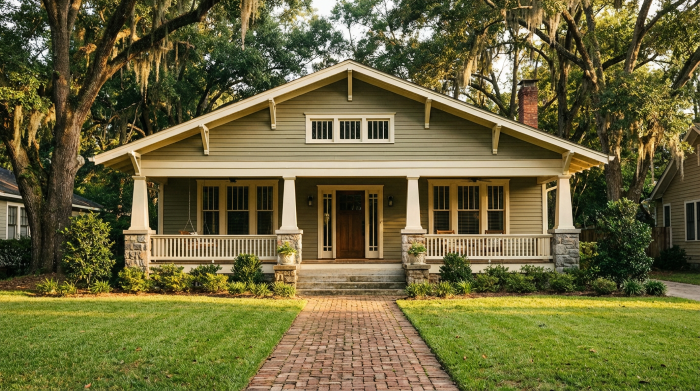
Why Choose Artistic Construction for Historic Home Remodeling in Atlanta
Specialized Historic Renovation Experience and Expertise
We’ve dedicated our practice to historic properties, developing expertise through dozens of projects in metro Atlanta’s most significant historic districts.
Period construction technique knowledge helps us diagnose issues and develop appropriate repairs.
Deep Knowledge of Local Historic Districts and Preservation Guidelines
Working throughout metro Atlanta’s historic neighborhoods provides intimate knowledge of regulatory requirements and preservation commission preferences.
Regular presence at preservation commission meetings and ongoing dialogue with staff creates trust that smooths approval processes.
Preservation-Focused Craftsmanship and Attention to Detail
We employ and collaborate with skilled craftspeople specializing in preservation techniques: plasterers, restoration carpenters, and period-appropriate tile installers. Attention to detail extends throughout projects. Including properly replicating original trim profiles, matching plaster textures, and sourcing appropriate hardware.
Transparent Communication Throughout Your Renovation
Clear communication and financial transparency build trust. We explain preservation requirements, regulatory processes, cost factors, and schedule realities thoroughly.
Regular progress updates maintain communication throughout construction. Weekly meetings, photo documentation, and decision deadline tracking keep homeowners engaged appropriately.
Frequently Asked Questions About Historic Home Remodeling
Do I need special permits to remodel my historic home in Atlanta?
Properties in designated historic districts require Certificate of Appropriateness approval before exterior modifications. Interior work doesn’t require COA approval unless it affects exterior appearance. All construction requires standard building permits.
Can I modernize my kitchen in a historic home?
Modern kitchens absolutely fit within historic homes when renovations balance preservation with function. Interior kitchen remodeling rarely requires preservation commission approval.
What is a Certificate of Appropriateness for historic home remodeling?
COA is the approval document preservation commissions issue authorizing exterior modifications in designated historic districts. Monthly commission meetings review applications, requiring 6-8 weeks from submission to approval.
Are there tax credits for historic home renovation?
Federal Historic Preservation Tax Credits provide 20% credit for income-producing historic properties. Georgia adds 25% state credits, totaling 45% for qualifying projects. Rental properties may qualify.
How long does historic home remodeling take?
Historic renovations take 20-30% longer than standard remodeling due to regulatory approval processes. COA review adds 6-8 weeks before construction begins. Modest renovations require 8-12 weeks, comprehensive projects need 6-12 months.
Should I restore or replace original windows in my historic home?
Original wood windows in good structural condition warrant restoration through reglazing, weather-stripping, and storm window addition. Replacement becomes appropriate when extensive rot makes restoration impractical.
Can I add onto my historic home?
Additions are possible when designs respect original architecture and comply with preservation commission guidelines. Successful additions maintain subordinate scale and require COA approval.