
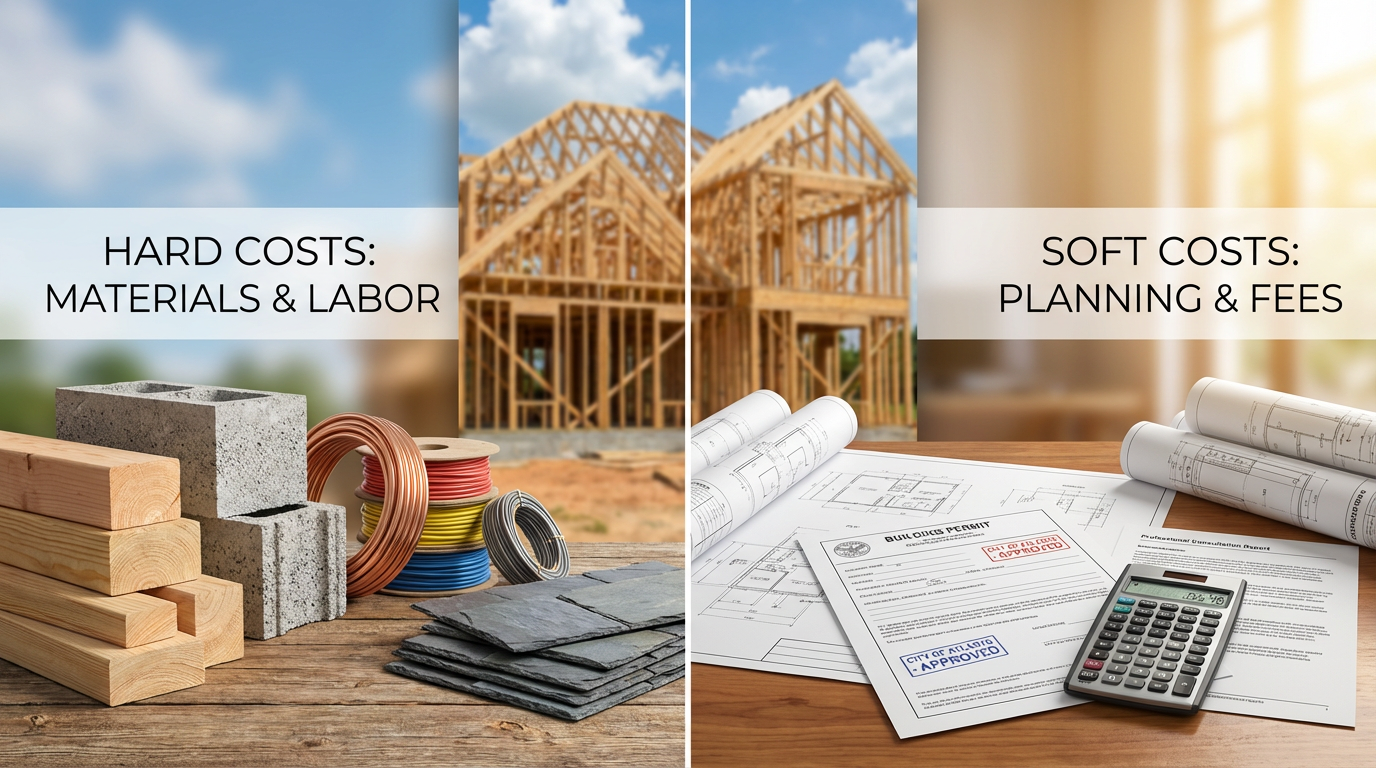
Building a custom home in Metro Atlanta represents one of the most significant financial decisions you’ll make. Whether you’re planning to build in Alpharetta’s established neighborhoods, Cherokee County’s rolling hills, or Milton’s expansive estates, understanding the complete construction cost breakdown goes far beyond the builder’s contract.
Most homeowners focus intensely on hard costs (tangible materials like lumber and fixtures) while dramatically underestimating soft costs. This oversight leads to budget surprises that can derail projects or force painful compromises on your dream home.
Table of Contents
What Are Hard Costs in Custom Home Construction?
Hard costs encompass the physical, tangible expenses directly related to building your home. These are the materials you can touch and the labor that transforms them into your finished residence.
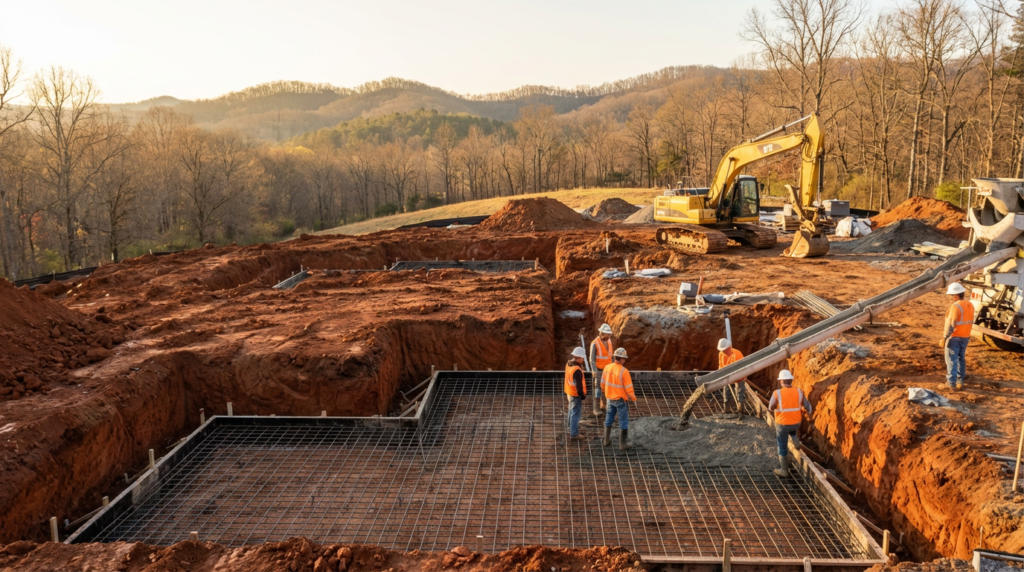
Foundation and Site Preparation Costs
Your foundation represents the literal groundwork for everything else. In North Atlanta’s clay soil conditions, foundation expenses include:
- Excavation and grading (especially expensive in rocky Cherokee County where subsurface rock requires specialized equipment)
- Foundation materials including concrete, rebar, waterproofing membranes, and drainage systems
- Footings and foundation walls designed to local soil bearing capacity
- Basement construction if your design includes below-grade living space
- Rough grading and lot preparation including tree clearing and stump removal
Georgia’s expansive clay soil creates unique foundation challenges. The soil swells when wet and shrinks during dry periods, creating movement that poorly designed foundations can’t accommodate. This makes proper foundation engineering critical, an investment that should never be minimized.
Structural Systems and Framing Costs
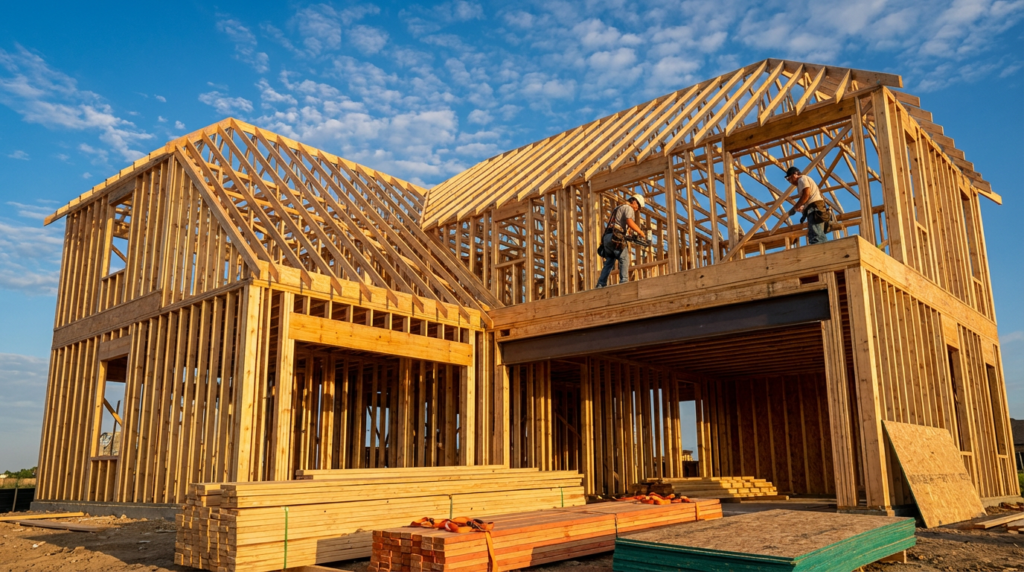
The skeleton of your home includes all structural materials and labor:
- Dimensional lumber and engineered wood products for walls, floors, and roof structures
- Framing labor (the most visible construction phase)
- Structural steel or engineered beams for longer spans
- Roof trusses or rafters designed to local requirements
- Sheathing and structural panels providing lateral bracing
- Hardware including joist hangers and structural connectors meeting Georgia building code
Modern custom homes increasingly use engineered lumber products that provide superior performance and dimensional stability. While these materials carry premium prices, they enable larger open spaces and reduce long-term maintenance issues.
Building Envelope and Exterior Construction Costs
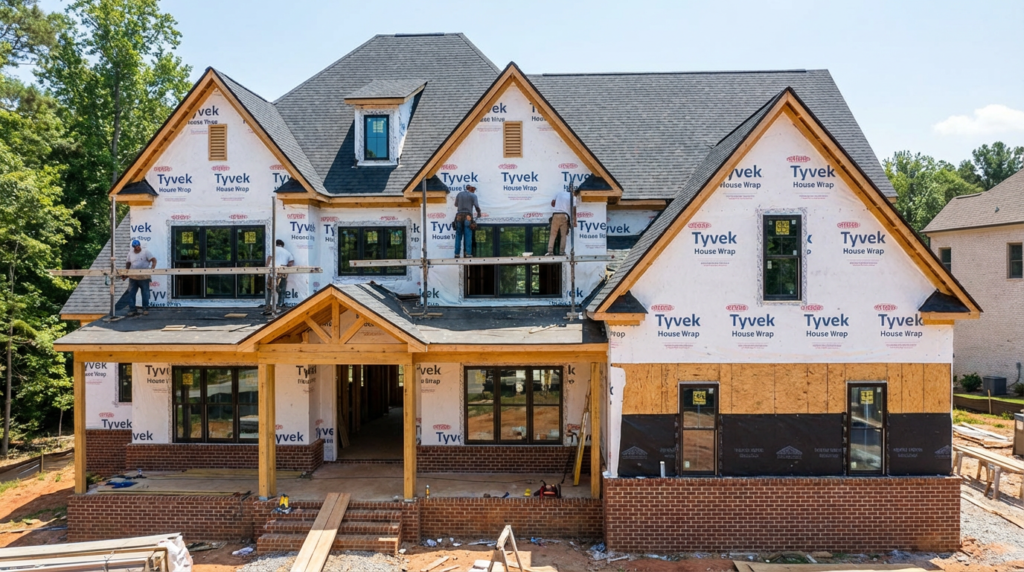
Everything protecting your home from Georgia’s weather represents significant investment:
- Roofing materials and installation (architectural shingles to metal to slate)
- Exterior siding or brick veneer
- Windows and exterior doors engineered to Georgia’s climate zone
- Insulation meeting or exceeding R-value requirements
- Weather barriers and house wrap managing moisture
- Gutters and downspouts properly sized for North Georgia’s intense rainfall
North Georgia experiences temperature extremes from single digits to upper 90s, plus high humidity and substantial rainfall. Your building envelope must perform across this range. Cutting corners here leads to higher utility costs and premature material failure.
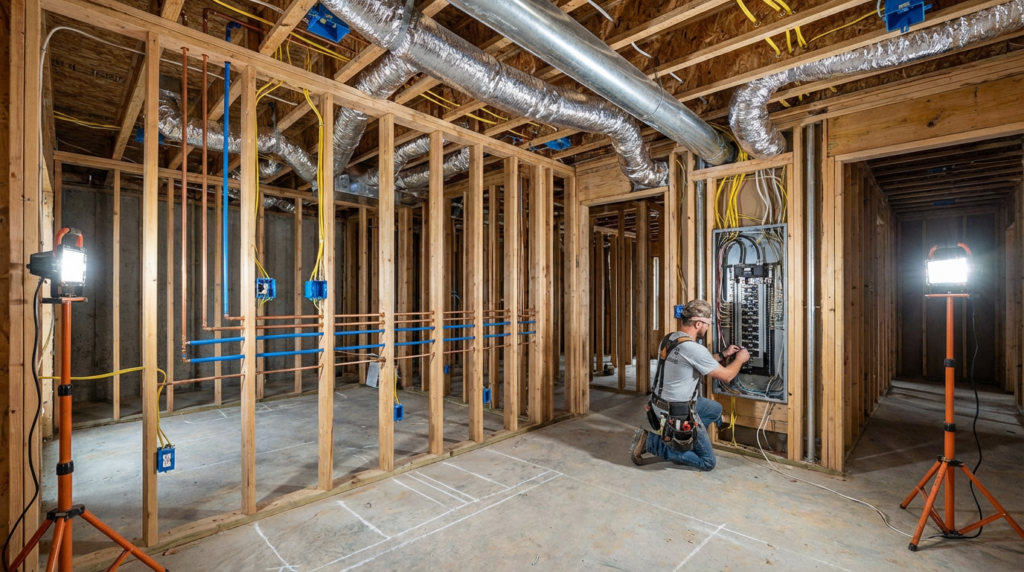
Major Systems Installation Costs
The mechanical, electrical, and plumbing systems represent substantial investment:
- Complete HVAC system including properly sized equipment, ductwork, and zoning capabilities
- Full electrical system including service panel, circuit wiring, outlets, and switches
- Plumbing rough-in and finish work including supply lines and drain-waste-vent systems
- Natural gas lines for appliances and equipment
- Water heater installation (traditional tank, tankless, or heat pump configurations)
These systems must meet strict local codes. Cherokee County, Forsyth County, and North Fulton jurisdictions require licensed contractors and perform thorough inspections. Attempting to reduce costs through unlicensed installers creates permitting problems that prevent obtaining your Certificate of Occupancy.
If you’re weighing lot vs subdivision options, it’s especially important to understand how permitting and inspections can impact your timeline and budget.

Interior Finishes and Material Costs
The visible elements defining your home’s aesthetic represent costs with enormous range:
- Drywall installation and finishing
- Interior trim and millwork
- Flooring materials (hardwood, tile, luxury vinyl plank, or carpet)
- Kitchen cabinets and countertops
- Bathroom vanities and fixtures
- Interior doors and hardware
- Paint and wall finishes
Interior finishes offer the most flexibility for managing overall budget. You can specify premium materials in high-visibility spaces while using economical options in secondary areas. This maintains design quality while controlling total investment.
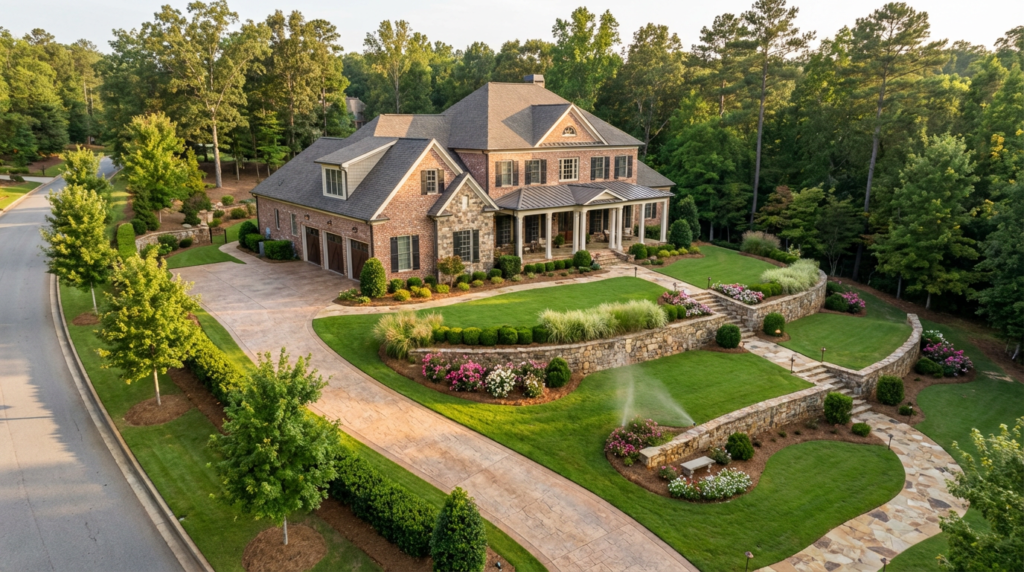
Site Development and Improvement Costs
Work outside the home’s footprint:
- Driveway and walkway construction
- Landscaping and sod installation
- Retaining walls common on sloped North Atlanta lots
- Outdoor lighting and irrigation systems
- Fencing and gates
Site improvement costs vary dramatically based on lot characteristics. Flat lots in established subdivisions require minimal site work, while raw land on sloped terrain may require extensive retaining walls and long driveways.
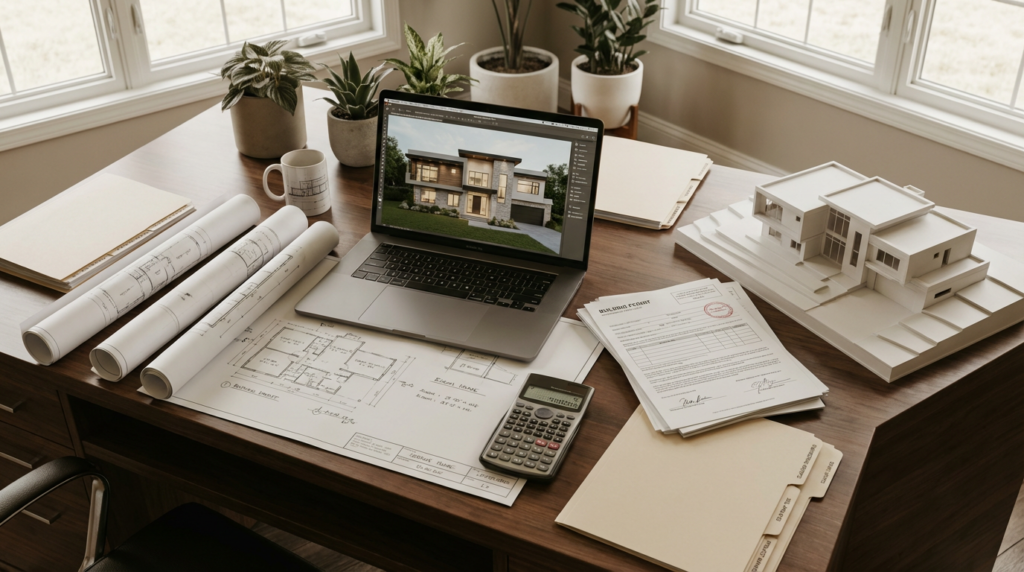
What Are Soft Costs in Custom Home Construction?
Soft costs encompass all non-physical expenses required to complete your project. While you can’t touch these investments, they’re absolutely essential to transforming your vision into a legally compliant, properly designed residence.
Understanding soft costs presents the greatest challenge for first-time custom builders because these expenses have no physical manifestation. But they directly determine whether your project proceeds smoothly or encounters costly delays, if you’re feeling overwhelmed, see our home improvement stress guide.
Professional Services and Architectural Design Fees
Custom Home Architectural Fees
Your architect transforms your vision into buildable plans. For custom homes in Metro Atlanta, architectural services represent a significant investment that pays dividends throughout the project.
Full architectural design services include:
- Initial design consultations establishing vision and feasibility
- Schematic design and preliminary drawings
- Design development with material selections and specifications
- Construction drawings providing detailed contractor information
- Structural engineering coordination
- Revisions based on feedback
- Construction administration and site visits
The architectural process takes four to six months before construction begins. You’ll pay design fees as work progresses, in installments tied to completion of each phase. This front-loaded timing catches many builders off-guard.
Quality architectural services prevent expensive construction changes. When architects thoroughly develop designs before construction, contractors encounter fewer unknowns requiring expensive change orders. The architect who seems expensive during design proves most economical when you avoid mid-construction modifications.
Engineering Fees
Multiple engineering disciplines contribute essential technical expertise:
- Structural engineering for load calculations, beam sizing, and foundation design
- Civil engineering for site planning, grading design, and stormwater management
- Geotechnical engineering for soil analysis in Georgia’s expansive clay soil
- HVAC engineering for system design and load calculations
Engineering fees scale with project complexity. Straightforward ranch homes require minimal engineering investment. Multi-level homes with large open spans or challenging sites require extensive engineering that substantially increases costs but prevents structural failures.
Interior Design Services
Comprehensive interior design represents an additional soft cost many homeowners find valuable:
- Space planning and furniture layouts
- Material and finish selections coordinated across all spaces
- Lighting design and fixture specifications
- Custom millwork design for built-ins and specialized storage
- Color palette development
Interior design costs vary widely based on scope. Some homeowners engage designers for full-service assistance, others only for specific challenges like kitchen layout or finish coordination.
Regulatory Compliance and Permit Fees
Building Permits and Government Fees
Every North Atlanta jurisdiction requires permits for custom home construction. Understanding local permit structures helps you budget accurately.
Permit structures by jurisdiction:
| Jurisdiction | Base Permit Structure | Additional Permits |
| Cherokee County | Valuation-based calculation | Electrical, plumbing, HVAC, grading |
| North Fulton County | Similar valuation-based structure | Separate trade permits required |
| Forsyth County | Standardized rate schedules | Additional for pools, structures |
| Cobb County | Valuation-based with plan review fees | Complex projects incur higher fees |
Permit fees represent fixed costs you can’t negotiate. Attempting unpermitted construction creates serious problems when selling (lenders won’t finance), refinancing (appraisers identify violations), or claiming insurance (coverage excludes unpermitted work).
Understanding how to navigate Georgia’s home addition permit requirements helps you avoid these costly mistakes.
Pre-Construction Analysis and Site Preparation Costs
Land Survey and Site Analysis Costs
Before construction begins, you need comprehensive site documentation. Survey costs vary based on lot size, terrain complexity, and vegetation density:
- Boundary survey establishing precise property lines and easements
- Topographic survey capturing existing elevations
- Tree survey required in many North Atlanta jurisdictions
- Utility location and verification
Survey accuracy directly impacts design quality. Architects working from inaccurate surveys create plans that don’t fit your lot properly, requiring expensive redesign. Investing in thorough survey work prevents these problems.
North Atlanta’s wooded terrain makes tree surveys especially important. Many jurisdictions protect significant trees and require detailed documentation before issuing permits.
Soil Testing and Geotechnical Analysis Costs
Georgia’s challenging soil conditions make geotechnical analysis one of the most important investments:
- Standard soil borings and analysis examining composition and bearing capacity
- Expanded soil testing for difficult sites
- Soil compaction testing during construction
- Percolation testing if septic system required
North Georgia’s red clay contains high percentages of expansive minerals that swell when wet and shrink when dry. This creates substantial foundation pressures. Many foundation failures across the region trace to inadequate geotechnical investigation.
Skimping on geotechnical analysis ranks among the most expensive mistakes. Foundation repairs cost exponentially more than thorough initial testing.
Environmental Assessment Costs
Depending on property characteristics, environmental assessment may apply:
- Wetlands delineation if property contains low areas with standing water
- Environmental site assessment if history suggests contamination
- Tree preservation plans required by many jurisdictions
- Watershed protection documentation if building in designated areas
Environmental requirements vary dramatically by jurisdiction and site characteristics. Properties in environmentally sensitive areas face additional costs and regulatory complexity.
Construction Financing and Loan Costs
Construction Loan Costs and Interest
Most custom home builders require construction financing, creating substantial soft costs:
- Loan origination fees
- Construction loan interest during building period
- Appraisal fees for loan approval
- Loan closing costs and processing fees
- Builder’s risk insurance premiums
Construction loan interest represents a significant cost that grows with project duration. Extended timelines (caused by weather delays, material shortages, or change orders) directly increase interest accumulation. A project running three months over schedule can add thousands through additional interest.
Construction loans differ from traditional mortgages. Rather than receiving full proceeds at closing, lenders disburse funds through scheduled draws tied to completion milestones. You pay interest only on disbursed amounts, but that interest accumulates throughout construction.
Insurance Requirements
Comprehensive coverage protecting your investment represents essential soft costs:
- Builder’s risk insurance covering structure and materials
- Liability insurance protecting against injuries or property damage
- Workers’ compensation coverage if acting as owner-builder
Insurance costs vary based on project value, location, and coverage limits. Discuss requirements with your builder and insurance agent early to budget accurately.
Read our GA Home Financing Cost Guide
Project Management and General Contractor Fees
Construction Project Management Costs
Professional builders incorporate project management into pricing:
- Project scheduling and coordination
- Subcontractor management and oversight
- Quality control and inspections beyond municipal requirements
- Change order processing and documentation
- Client communication and progress updates
- Warranty administration after completion
These fees deliver value through efficient construction, quality outcomes, and problem prevention. Experienced builders coordinate complex sequences, manage schedules, maintain standards, and navigate challenges. The same principles that make hiring a qualified remodeling contractor critical apply to custom home construction.
Testing and Inspection Costs
Beyond municipal inspections, quality construction requires additional testing:
- Third-party framing inspections verifying structural installation
- HVAC system commissioning and testing
- Energy efficiency testing and certification
- Water pressure and plumbing tests
- Final walkthrough and punch list coordination
These inspection costs provide quality assurance beyond code minimums. Third-party verification catches problems before concealment makes corrections expensive.
Utility Connections and Service Establishment Costs
Primary Utility Connection Fees
Getting services to your home involves utility connection costs:
- Electric service connection and meter installation
- Natural gas line extension and connection if needed
- Water tap fees and service installation
- Sewer connection or septic system installation
- Phone and cable service installation
In many North Atlanta areas where utilities serve adjacent properties, connection costs remain modest. But rural properties or those requiring service extensions face substantially higher investment. A property requiring utility extension of several hundred feet can add thousands to your budget.
Research utility availability thoroughly during land selection. Properties requiring extensive extensions seem attractively priced but prove expensive once utility connection costs factor into total investment.
Temporary Construction Site Costs
On-Site Facilities During Construction
Your builder needs temporary services throughout construction:
- Temporary electrical service for tools and lighting
- Portable restroom facilities for construction crews
- Temporary fencing and security measures
- Dumpster services for debris removal
- Temporary weather protection materials
These temporary facility costs accumulate throughout construction. Projects in exposed locations or spanning winter months require additional weather protection, increasing expenses.
Frequently Asked Questions About Construction Costs
Can I finance soft costs with my construction loan?
Most construction lenders will finance many soft costs, but coverage varies significantly. Commonly financed costs include building permits, engineering fees, utility connections, and builder-coordinated architectural services. Early expenses like initial surveys, pre-loan soil testing, and architectural retainers paid before loan approval require separate funding. Discuss your lender’s specific soft cost financing policies during pre-qualification to understand which expenses you’ll need to cover independently and plan your cash flow accordingly.
What percentage of my budget should go toward soft costs?
For custom homes in Metro Atlanta, plan for soft costs representing approximately 18-25% of your hard cost budget. Projects on challenging sites, in HOA communities requiring architectural review, or with complex architectural designs may see soft costs reach 25-30% of hard costs. Simpler projects on cleared, flat lots with straightforward designs might achieve 15-18% soft cost ratios.
When do I pay soft costs vs hard costs in construction?
Soft costs require payment earlier in your project timeline, before construction begins. You’ll pay for architectural services, land surveys, soil testing, and initial engineering during the design and planning phases. Permit fees come due before construction authorization. Hard costs get paid through construction loan draws tied to completion milestones throughout the building process, meaning payment occurs as work completes rather than before it begins.
How do different builders show soft costs in quotes?
Builders use varying approaches based on their business model. Design-build firms include comprehensive soft costs (architecture, engineering, permits, project management) in their proposals, creating higher contract amounts that reflect these services. Traditional general contractors provide construction contracts with soft costs remaining your separate responsibility, showing lower initial contract prices but requiring you to coordinate and pay professionals directly. Neither approach is inherently better, they simply allocate responsibilities differently.
How can I reduce soft costs without compromising my project?
Strategic soft cost reduction focuses on efficiency rather than elimination. Shop construction loan rates aggressively since even small rate differences save considerably. Coordinate all utility connections simultaneously rather than sequential installations. Consider design-build firms that leverage professional relationships for better fees. Time your project to avoid expedited permit fees during peak periods if your schedule allows flexibility. Never compromise on required engineering, proper permits, or adequate soil testing. These “savings” cost more through problems later.


