Planning a home renovation in Woodstock, Canton, Roswell, or any metro Atlanta neighborhood with homeowners association guidelines? Your HOA architectural review committee has significant authority over what you can modify on your property. The approval process can feel overwhelming: dense covenant documents, unclear architectural requirements, and constant worry about approval delays disrupting your family’s remodel timeline.
Understanding your HOA remodeling rules and partnering with experienced contractors who navigate HOA compliance eliminates most headaches. This guide walks you through exactly what your homeowners association controls, which renovation projects require approval, and how to successfully navigate from initial planning through construction completion without costly violations or project timeline delays.
Understanding Your HOA’s Home Remodeling Rules and Architectural Guidelines
Before submitting your HOA request form, understand what your homeowners association controls and where to find your community’s specific architectural review guidelines.
What Your HOA Architectural Review Committee Controls
Homeowners associations regulate exterior modifications to protect property values and maintain community aesthetics. This includes anything visible from the street: siding replacement, roofing changes, window installations, deck construction, fence additions, and landscaping modifications. Many architectural review boards also regulate interior renovation work affecting your home’s exterior appearance, such as adding windows, changing rooflines, or structural modifications altering the building footprint.
Interior cosmetic updates like paint colors, flooring replacement, and cabinet installations don’t require board approval as long as they don’t impact the exterior or load-bearing structure.
Where to Find Your HOA Covenant Rules for Remodeling
Your community’s CC&Rs (Covenants, Conditions & Restrictions) outline what exterior modifications are allowed and what renovation restrictions apply. These documents may be stored on your community’s website, resident portal, through your management company’s system, or in original paperwork from your home purchase.
Many metro Atlanta communities maintain separate architectural review guidelines providing specific details about approved materials, color palettes, and design standards. Request both the CC&Rs and architectural standards from your board or property management company before you start planning.
Metro Atlanta HOA Community Types and Approval Processes
Understanding your community type sets realistic expectations for approval timelines:
Master-Planned Communities (Holly Springs, Canton, Bridgemill): Stricter architectural standards with professional management companies like FirstService Residential or Associa. Detailed design guidelines and formalized request submission processes.
Established Neighborhoods (Roswell, East Cobb, Marietta): Volunteer architectural review boards with more flexible guideline interpretation. Less formal approval processes, but monthly board meeting schedules can extend timelines.
Newer Developments (Ball Ground, Milton): Modern covenant systems with online portals for architectural review submission and approval tracking. Faster turnarounds due to streamlined digital processes.
What Home Renovations Require HOA Approval in Metro Atlanta
Exterior Modification Projects Always Requiring HOA Architectural Review
Any renovation project visible from the street requires homeowners association approval:
- Deck construction, patio additions, pergolas, and outdoor structures
- Siding replacement or exterior material changes
- Roofing modifications and material upgrades
- Exterior paint color changes or stain applications
- Window and door replacements (if visible from front or sides)
- Fence installations, gates, and property line markers
- Landscaping changes (tree removal, hardscaping, major plantings)
- Mailbox replacements and outdoor lighting installations
Interior Renovation Projects With Exterior Impact Requiring HOA Review
Kitchen Remodeling: Requires architectural review when adding windows, changing vent locations, or removing exterior walls that affect your home’s appearance.
Bathroom Renovation: New bathroom additions always require approval due to visible plumbing vents. Interior-only updates don’t need review.
Basement Finishing: Always involves egress window installation, requiring homeowners association architectural approval.
Home Additions: Room additions change your home’s footprint and appearance, requiring comprehensive architectural review.
Types of home additions include room additions that change your home’s footprint and appearance, requiring comprehensive architectural review.
The general rule: if neighbors can see the modification from their property or the street, assume architectural review approval is required.
Home Improvement Projects Not Requiring Pre-Approval
Interior cosmetic updates proceed without HOA involvement:
- Interior paint colors and flooring replacement
- Cabinet and countertop replacement (without structural changes)
- Fixture updates (lighting and plumbing)
- Appliance replacement and upgrades
- Interior wall removal (non-load-bearing, no exterior impact)
Always verify with your specific homeowners association before proceeding. Starting renovation work without required approval results in expensive forced removal and violation penalties.
HOA Compliance Requirements by Renovation Project Type

Kitchen Remodeling HOA Approval Process
Kitchen remodels trigger architectural review when involving new windows, exterior vents, or structural wall removal affecting exterior appearance. Review boards focus on window style consistency with neighborhood standards. Professional architectural drawings clearly showing exterior impact help boards quickly understand and approve designs that meet community guidelines.
Bathroom Renovation HOA Requirements
Interior bathroom updates like new fixtures, tile, and vanities rarely require homeowners association approval. Adding a new bathroom always requires architectural review because plumbing vents penetrate the roof. Boards examine vent placement to ensure it aligns with your home’s existing aesthetic.
Basement Finishing HOA Restrictions and Egress Window Approval
Finishing your basement requires egress windows for safety and code compliance. These windows are exterior modifications subject to architectural review. Review boards may regulate window size, style, and placement to ensure consistency with existing windows.
Egress windows must meet building code requirements: minimum 5.7 square feet of opening, minimum 20 inches wide, minimum 24 inches high, and maximum 44 inches from the floor. HOAs require these features to match your home’s existing window style for architectural consistency.
Deck Construction and Patio Addition HOA Approval
Deck and patio projects receive detailed architectural scrutiny. Communities regulate setbacks from property lines, materials, railing styles, height restrictions, and color choices.
Metro Atlanta homeowners associations require:
- Detailed site plans showing exact measurements from property boundaries
- Material samples demonstrating quality and appearance
- Physical color swatches (not just printed images)
Approval timelines run 45-60 days for deck construction. Standard setback requirements range from 5-15 feet from side property lines and 10-25 feet from rear lines.
Home Addition HOA Architectural Review Process
Adding square footage creates the most complex approval process. Architectural review boards examine:
- Lot coverage calculations (many communities limit percentage of lot covered by structures)
- Architectural consistency with existing home design
- Neighbor notifications and potential objections
- Structural impact on drainage and utilities
Home additions take 60-90 days for approval, sometimes involving multiple architectural review stages. Professional 3D renderings showing your addition in context significantly improve approval odds.
Most metro Atlanta homeowners associations restrict lot coverage to 35-50% of total lot area. Home additions must maintain minimum setbacks of 15-25 feet from side property lines and 25-35 feet from rear lines.
Exterior Update HOA Requirements
Replacing siding, roofing, or changing exterior paint colors requires approval in virtually all metro Atlanta communities. When selecting roofing materials that meet strict HOA guidelines, understanding high quality standards is crucial. For instance, the experts at Roofing Consultant, LLC, a premier contractor based in Plantation, Florida, emphasize the importance of choosing durable, weather-resistant materials that also align with local architectural aesthetics.
Here in Atlanta, many associations maintain pre-approved color palettes, dramatically streamlining your architectural approval when you select from their approved options. Always submit physical material samples and color chips for review.
The Step-by-Step HOA Approval Process for Home Renovations

Step 1: Review Architectural Guidelines and Covenant Rules (Week 1)
Read your CC&Rs and architectural guidelines completely before developing renovation plans. Note specific compliance requirements for your project type: setback distances, material specifications, approved color restrictions. Identify request form submission deadlines and board meeting schedules.
Step 2: Develop HOA-Compliant Renovation Plans (Weeks 1-2)
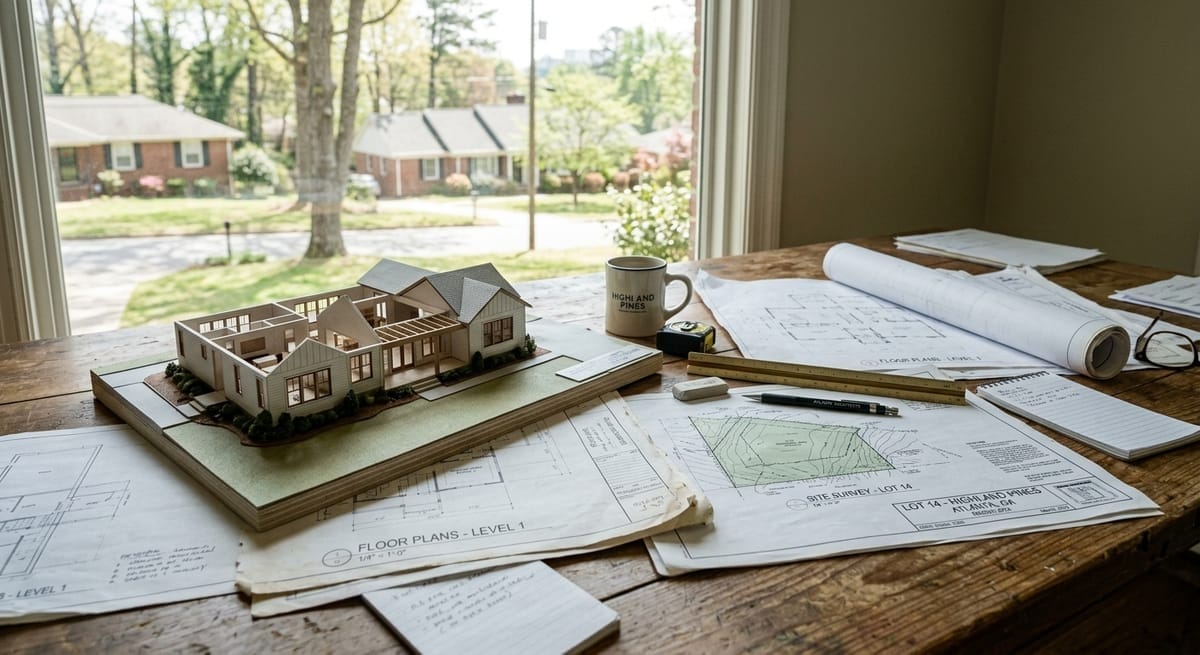
Work with an experienced contractor to create designs complying with architectural guidelines from the start. Professional architectural drawings are required. Three-dimensional renderings significantly improve approval odds by helping boards visualize the finished project in neighborhood context.
Step 3: Gather Required HOA Submission Documentation (Week 3)
Compile comprehensive documentation for your request:
- Professional architectural drawings and elevations
- Site plans showing property lines and setback compliance
- Material specifications (brand names and color codes)
- Physical material samples for review
- Contractor license and insurance verification
- Construction timeline with estimated start and completion dates
Step 4: Submit Your HOA Architectural Review Request (Week 4)
Complete your homeowners association’s official request form thoroughly. Submit through the proper channel: email, online portal, or physical delivery to the management company. Request confirmation of receipt and ask for the next architectural review meeting date.
Step 5: The Architectural Review Period (Weeks 5-7)
Architectural review boards examine your submission against community standards. They may request additional information or modifications. Monthly board meeting schedules mean 30-45 day review periods are common. Respond promptly to information requests because delays extend approval timelines significantly.
Step 6: Receive HOA Approval and Address Conditions (Week 8)
Architectural review decisions arrive in three forms:
Full Approval: Proceed with your renovation as planned
Conditional Approval: Specific modifications required before starting construction
Denial: Project doesn’t meet community architectural standards
Always get approval in writing before proceeding. Understand any conditions clearly. Never start construction based on verbal approval because only written approval from the architectural review committee carries legal weight.
Step 7: Construction With Ongoing HOA Compliance (Weeks 9+)
Start renovation work only after receiving written approval. Follow approved plans exactly because even minor deviations require resubmission. Maintain compliance throughout construction regarding:
- Work hours (7am-7pm weekdays with weekend restrictions)
- Material storage locations
- Dumpster placement requirements
- Site cleanliness standards
Some HOAs conduct mid-construction inspections to verify renovation work matches approved plans. Final sign-off may be required at project completion.
Metro Atlanta HOA Approval Timelines for Common Renovation Projects
| Timeline | Duration | Typical Projects |
| Best-Case Approval | 14-21 days | Simple cosmetic projects |
| Standard Review | 30-45 days | Most exterior remodels |
| Complex Architectural Review | 60-90 days | Home additions, major structural changes |
Factors That Extend HOA Approval Timelines
- Incomplete initial submissions: +14 days minimum
- Quarterly board meetings (versus monthly): +30-60 days
- Required variances from standard architectural guidelines: +30-45 days
- Holiday season submissions (November-January): +14-30 days
Avoiding Costly HOA Violations and Penalties
The Real Cost of HOA Compliance Mistakes
| Violation Type | Typical Impact |
| Starting Without Approval | Daily fines, forced removal, demolition, reinstallation |
| Approval Delays | Contractor rescheduling fees, rate increases |
| Non-Compliant Materials | Removal and replacement with approved alternatives |
Common Construction Phase HOA Violations
Even with approved plans, violations can occur:
- Working outside approved hours
- Improper material storage violating guidelines
- Dumpster placement in unapproved locations
- Deviating from approved plans without resubmission
Final HOA Approval and Renovation Closeout
Final sign-off may be required at completion to verify the finished renovation matches approved plans. Obtain written completion approval for your compliance records because this documentation protects you during future home sales.
What to Do If Your HOA Denies Your Remodeling Request
Common HOA Denial Reasons for Renovation Projects
- Materials or colors not matching community architectural standards
- Violations of setback requirements or lot coverage limits
- Neighbor objections about privacy or view obstruction
- Incomplete documentation or unclear project scope
Your Options After HOA Architectural Review Denial
Carefully review the denial letter for specific reasons:
- Modify your renovation design to address stated concerns and resubmit
- Request a formal appeal hearing to present additional information
- Withdraw the request and pursue an alternative project
Review your homeowners association’s governing documents for appeal deadlines and procedures. Many communities require written appeal notices within 15-30 days of denial.
HOA Approval Modification Strategies That Work
Most denials become approvals through strategic modifications:
- Materials rejected: Submit alternative options from pre-approved architectural list
- Setback or height concerns: Revise plans to comply with specific dimensional requirements
- Neighbor objections: Consider design modifications addressing specific concerns
Professional 3D renderings showing modified designs help architectural review boards visualize improvements and understand how changes address their concerns.
The Formal HOA Appeal Process
Review your community’s CC&Rs for specific appeal procedures and deadlines. Prepare a written response addressing each denial reason with supporting documentation. Present your appeal professionally at the next board meeting with visual aids like updated renderings, material samples, and photographs of similar approved projects in your community.
Why Homeowners Choose Artistic Construction for HOA Renovation Projects
We Navigate the HOA Approval Process for You
From initial guideline review through final completion approval, we handle every aspect of submission and compliance. Our team prepares all required documentation: professional architectural drawings, site plans, material specifications, and request forms. We attend architectural review meetings and respond to board questions.
Our HOA Approval Track Record
- 98% first-submission approval rate with architectural review boards
- 34-day average approval timeline (23% faster than DIY submissions)
- 47 successfully resolved denials across metro Atlanta communities
- 22 years serving metro Atlanta homeowners associations
Complete HOA Submission Documentation Included
Professional architectural drawings, detailed site plans showing property line compliance, material specifications and physical samples, 3D renderings showing finished appearance in neighborhood context, and contractor license and insurance verification come standard with our compliance service.
Local Expertise Across Metro Atlanta HOA Communities
With deep experience in Woodstock, Canton, Roswell, Marietta, Alpharetta, Milton, Holly Springs, Ball Ground, Kennesaw, and Acworth, we understand specific requirements and approval processes of communities throughout metro Atlanta. Our established relationships with major management companies like FirstService Residential and Associa help streamline communication and architectural review approval processes.
Frequently Asked Questions
How long does HOA approval take in metro Atlanta?
How long does HOA approval take in metro Atlanta? Most exterior remodeling projects receive architectural review approval in 30-45 days, though simple cosmetic changes may take 14-21 days. Complex additions requiring multiple review stages need 60-90 days.
Can my HOA deny my remodeling project even if it follows their guidelines?
Yes, architectural review boards maintain discretionary authority to deny renovation projects they believe don’t align with community aesthetics. Most denials cite specific guideline violations and provide clear paths to approval through modifications.
What happens if I start remodeling without HOA approval?
Starting construction without written architectural approval results in immediate stop-work orders, daily fines, and forced removal of completed work.
Do interior renovations require HOA approval?
Interior cosmetic updates like paint, flooring, and fixtures rarely require homeowners association approval. But interior renovation work affecting your home’s exterior always requires architectural review.
How can I appeal if my HOA denies my remodeling request?
Review your CC&Rs for appeal procedures and deadlines. Prepare a written response addressing each denial reason with supporting documentation. Present your appeal professionally at the next board meeting.
What documentation does my HOA need for approval?
Standard requirements include completed request forms, professional architectural drawings, site plans indicating property lines and setbacks, material specifications, physical material samples, contractor license and insurance certificates, and construction timelines.
Homeowners association approval doesn’t have to derail your remodeling dreams or extend your timeline indefinitely. With proper planning, complete documentation, and stress-free professional guidance, you can navigate the approval process efficiently while maintaining positive relationships with your architectural review board and neighbors.
Contact our team for a free consultation. We’ll review your renovation project goals and guidelines to develop a clear approval strategy that keeps your remodel on schedule.