
If you’re considering indoor outdoor living solutions for your metro Atlanta home, you’re joining thousands of homeowners who’ve discovered the secret to adding functional square footage at 40-60% the cost of traditional interior additions. But here’s what most contractors won’t tell you upfront: Georgia’s climate challenges will make or break your indoor outdoor living investment. The humidity, relentless pollen, summer heat, and eight-month bug season mean that beautiful outdoor spaces often become expensive disappointments if they’re not designed for our regional weather conditions.
At Artistic Construction, we’ve built over 200 indoor-outdoor living projects across Woodstock, Alpharetta, Roswell, and surrounding North Atlanta communities since 2015. This guide walks you through everything you need to make an informed decision about which seamless indoor outdoor living solution fits your home, lifestyle, and budget.
What Is Indoor-Outdoor Living? Your Complete Guide to Expanding Usable Living Space
Indoor outdoor living spaces create transitional areas that combine the comfort and protection of interior rooms with fresh air access and nature views. These spaces add functional square footage (200-500 square feet, usually) that you’ll actually use instead of watching collect pollen through a window.
The concept addresses a specific frustration common to Georgia homeowners: you want outdoor access without fighting humidity that frizzes hair in seconds, pollen that coats everything yellow within 24 hours, mosquitoes from April through October, and summer heat that makes unshaded patios unbearable from 11am-7pm.
How Indoor-Outdoor Flow Design Transforms North Atlanta Homes
For homes in North Atlanta’s established neighborhoods, indoor outdoor living systems deliver three key benefits:
Year-round entertaining space that actually gets used, not just during those perfect 72-degree spring weekends. You gain square footage without the massive expense and disruption of bumping out your foundation. Most importantly, you create a lifestyle upgrade that changes how your family uses their home daily, from morning coffee in screened comfort to evening dinners without mosquito harassment.
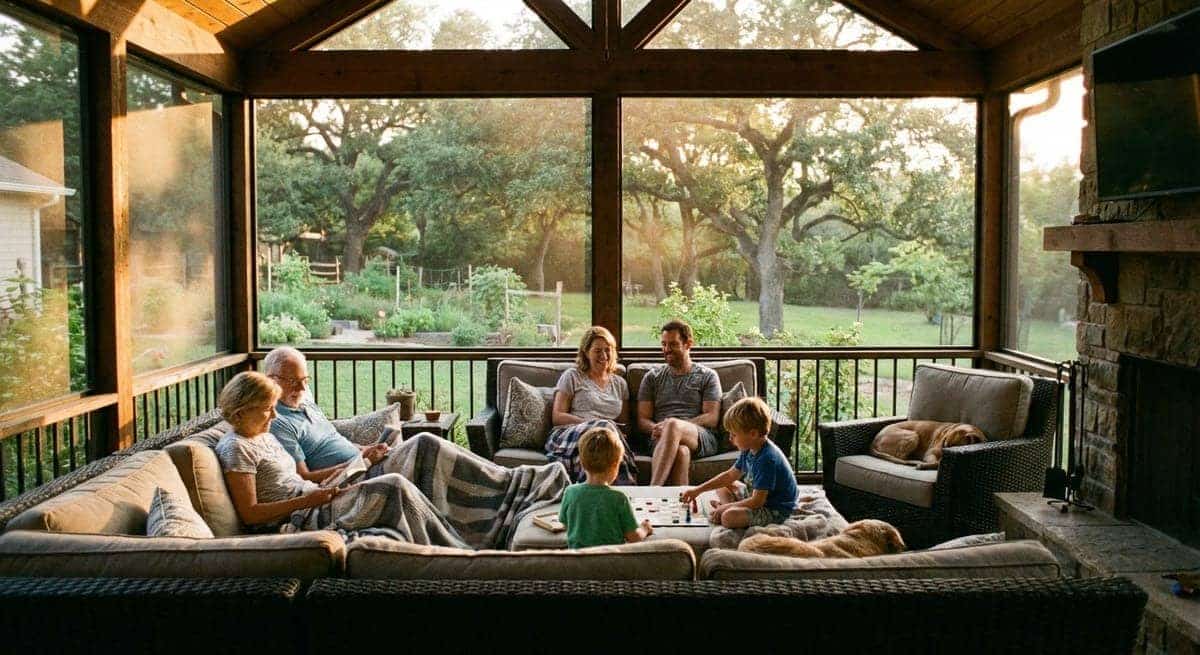
These outdoor living area designs work for kids’ play areas that parents can supervise from climate-controlled comfort, outdoor cooking and dining zones that get used 9+ months per year, and year-round entertainment headquarters for game day gatherings.
Understanding Your Four Main Indoor Outdoor Living Options
| Space Type | Climate Control | Usable Season | Best For |
| Screened Porch | Natural ventilation only | March-November (8-9 months) | Bug/pollen protection without HVAC |
| Covered Patio | Open-air with shade | April-October (7 months) | Outdoor cooking and entertaining |
| Three-Season Room | Heating elements, insulated windows | March-Thanksgiving (9 months) | Extended comfort without full HVAC |
| Four-Season Sunroom | Full HVAC integration | Year-round (12 months) | True climate-controlled living space |
Screened porches use mesh screening to create bug-free outdoor spaces with full airflow. Premium 18×14 weave screening blocks more pollen but slightly reduces visibility, while 20×20 provides excellent views with good pollen protection.
Covered outdoor living spaces provide overhead protection from rain and sun but remain open-air on at least two sides. Most covered patio designs in North Atlanta feature roof overhangs extending 10-14 feet from the house, providing adequate shade coverage for 8-10 person dining areas.
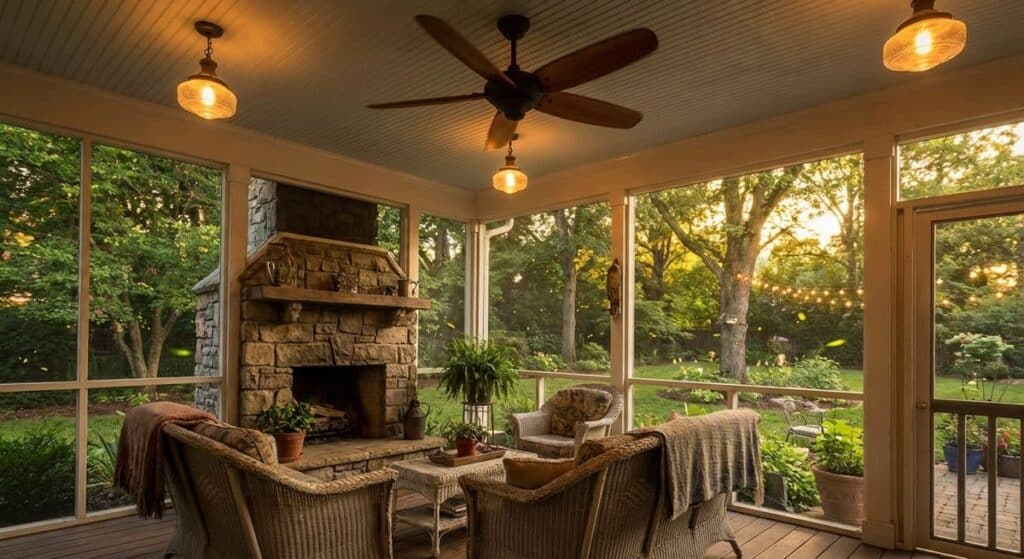
Three-season rooms use combination systems (screens for summer with storm panels for winter) and may include heating elements like fireplaces or infrared heaters. Three-season rooms lack the full insulation values required for year-round HVAC integration, keeping construction costs lower while extending usability beyond basic screening.
Four-season sunrooms are fully enclosed with insulated windows and integrated HVAC, creating true year-round climate-controlled living space. Building codes require these spaces to meet residential insulation standards (minimum R-19 in walls, R-30 in ceilings) and energy-efficient window specifications with U-values below 0.30 for Georgia’s climate zone.
Indoor Outdoor Living Solutions Built for Georgia’s Climate
Georgia’s climate presents real challenges that generic designs can’t overcome. We’ve seen too many homeowners invest in beautiful outdoor room ideas that become unusable because their contractor didn’t understand how to design for 75% summer humidity, annual pollen apocalypse, and the reality that “outdoor season” in Atlanta stretches from March through November.
Year-Round Comfort Through Climate Control Systems
The term “year-round indoor outdoor living” needs clarification for Georgia climates. A screened porch without heating realistically serves you 8-9 months (late March through mid-November). Add a fireplace or infrared heaters, and you extend that to 10-11 months. Four-season sunrooms with full HVAC integration deliver true 12-month use.
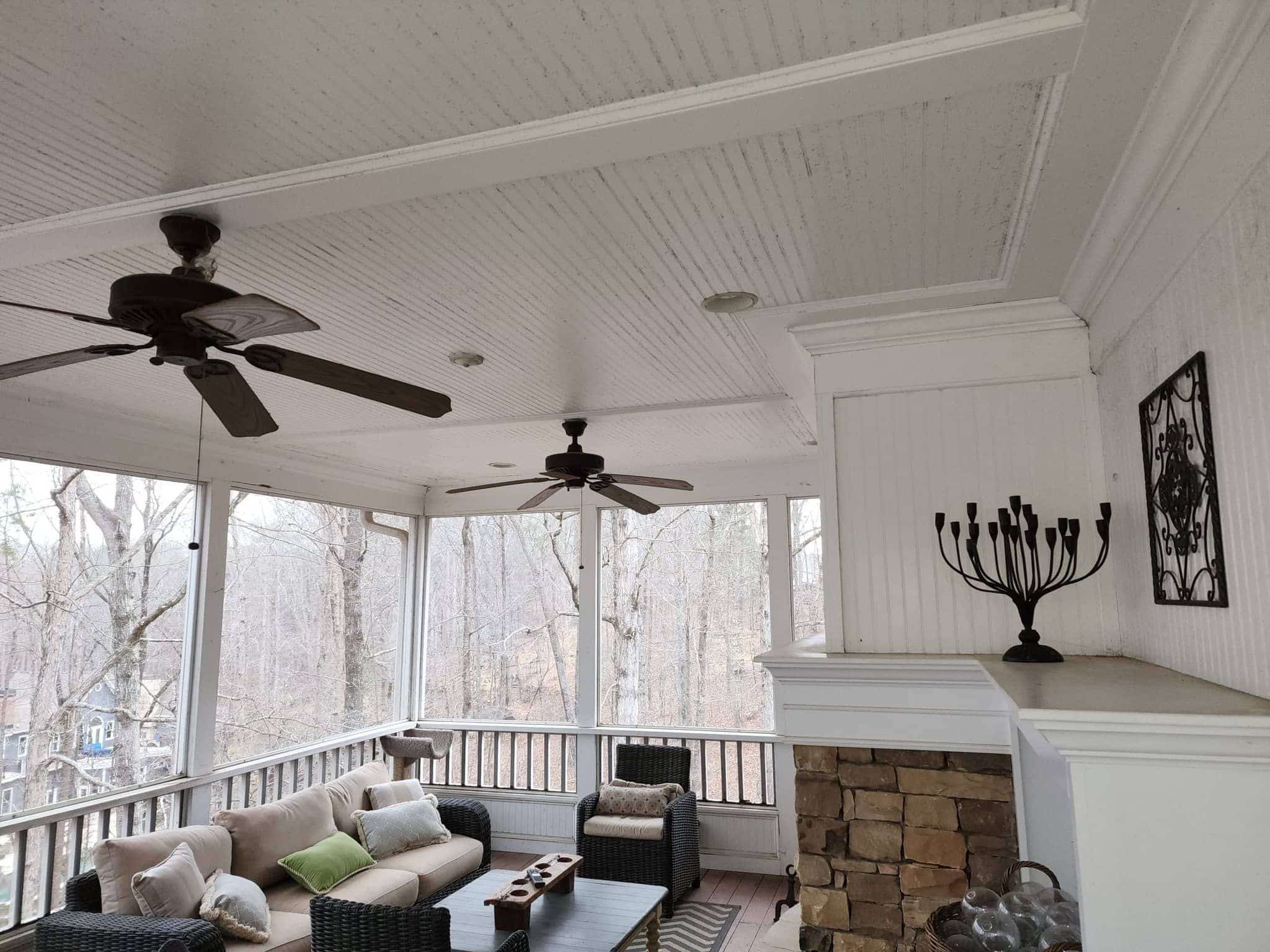
Humidity control affects comfort from April through October. We recommend high-quality ceiling fans that move air constantly, composite decking materials instead of wood that absorbs moisture, and proper ventilation planning that creates cross-breeze effects. Install ceiling fans rated for outdoor use with minimum 52-inch blade spans and airflow capacities of 5,000+ cubic feet per minute for spaces larger than 200 square feet.
Summer heat management requires blocking direct sun while maintaining views. Strategic shade positioning, combined with light-colored reflective roofing materials, keeps temperatures 10-15 degrees cooler than open decks. Adding misting systems to the perimeter creates evaporative cooling that makes 90-degree days feel like 80-degree days.
Winter heating extends your season dramatically. Outdoor-rated fireplaces (wood-burning or gas) generate real warmth. Expect 20,000-40,000 BTU output from standard gas models, enough to heat 300-400 square feet comfortably in 50-degree weather. Four-season rooms require proper insulation values (R-19 minimum in walls) and dedicated HVAC zones.
Pollen Protection and Easy Maintenance Solutions
Atlanta’s pollen season (March-May) blankets everything in yellow dust within 24 hours. Premium screening mesh (the 18×14 tight weave options) blocks most pollen particles while maintaining excellent visibility and airflow. Standard 20×20 mesh that comes with budget screen rooms lets fine pollen through.
For surfaces, composite materials and sealed concrete resist pollen staining far better than untreated wood or stone pavers. Choose composite decking with protective shell technology that prevents pollen from penetrating surface texture, making hosing down a 30-second task instead of a scrubbing ordeal.
The maintenance reality: budget 15-20 minutes weekly during pollen season to hose down screens and surfaces. After pollen season ends in late May, maintenance drops to occasional cleaning every 2-3 weeks.
Bug-Free Outdoor Living From Spring Through Fall
Georgia’s mosquito, gnat, and no-see-um season runs April through October. Premium fiberglass mesh lasts 15-20 years, while economy aluminum mesh deteriorates in 7-10 years from our sun exposure.
For maximum flexibility, retractable screen systems allow full open-air experience during mild weather and instant enclosure when bugs emerge at dusk. Modern motorized retractable screens deploy with a button push.
We install door sweeps on all screened entries to prevent bugs from sneaking in through the bottom gap. Professional installation ensures screen tension remains consistent across all panels, eliminating the gaps and wrinkles that bugs exploit.
Popular Indoor Outdoor Living Space Solutions We Build
Based on 200+ completed projects across metro Atlanta, three solution types account for 85% of what homeowners choose.
Screened Porches: Classic Georgia Indoor Outdoor Living
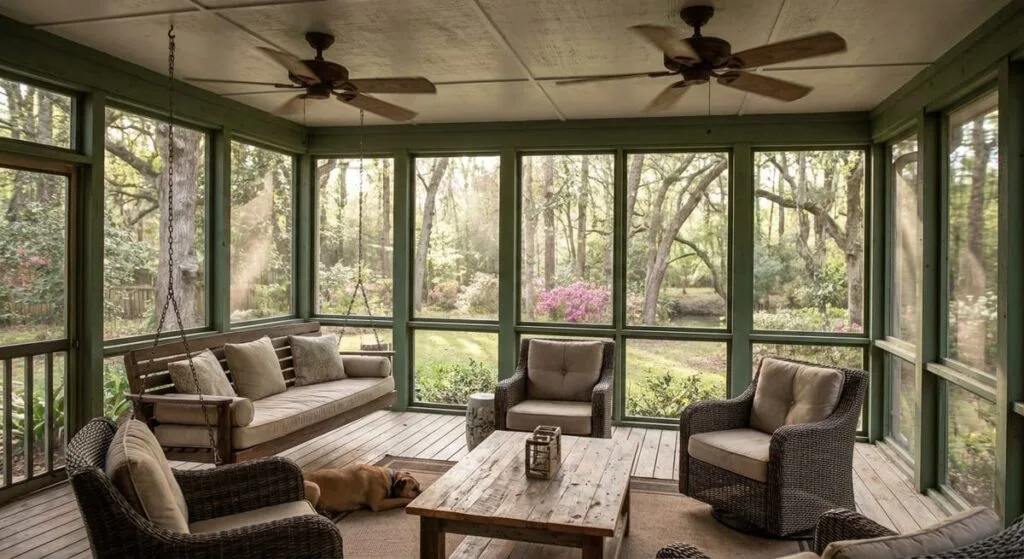
Screened porches represent the most popular choice among Alpharetta and Roswell families, accounting for roughly 50% of our indoor-outdoor projects. They deliver comprehensive bug and pollen protection with natural ventilation at the most accessible price point.
The design includes a solid roof structure matching your home’s existing roofline, screened walls on three sides, electrical for ceiling fans and ambient lighting, and either composite decking or stained concrete floors. Standard screened porch construction uses 4×4 or 6×6 pressure-treated posts spaced 8-10 feet apart, supporting engineered roof trusses that tie into your existing structure.
These spaces work perfectly for morning coffee, supervised kids’ play areas, evening relaxation with bug-free fresh air, and casual weekend entertaining. The limitation: they’re not climate controlled, so you’re working with outdoor temperatures. In practical terms, that means comfortable use from late March when temperatures consistently reach 65+ degrees through mid-November.
Woodstock homeowners frequently add outdoor fireplaces or fire pits adjacent to screened porches, creating dual-zone outdoor living where the screened area provides bug protection and the open fireplace area extends cool-weather use.
Covered Patio Designs With Outdoor Kitchens: Entertaining Solutions
Covered patio designs paired with outdoor kitchens create dedicated entertaining headquarters that transform how you host gatherings. These open-air spaces provide overhead protection from rain and sun while maintaining maximum airflow, perfect for grilling and cooking where smoke and heat need to dissipate.
The setup includes a substantial roof structure (16×20 to 20×24 is common), integrated outdoor kitchen with grill, counter space, and weather-resistant cabinetry, dining area accommodating 6-8 people, ambient and task lighting on dimmer controls, and ceiling fans for air circulation.
Specify marine-grade stainless steel (316 grade) for all outdoor appliances and hardware. It costs 20-30% more than standard 304 grade but resists Georgia’s humidity and prevents rust staining on surrounding surfaces.
The advantage over screened porches: true open-air cooking experience without trapped smoke or heat. The tradeoff: you’re not protected from bugs, and weather exposure means you’ll need to cover or protect appliances during off-season months.
Three-Season and Four-Season Rooms for Extended Use
For homeowners who want extended use beyond basic screened porches, season rooms offer increasing levels of climate control.
Three-season rooms use insulated windows instead of screening, include heating elements (fireplace or electric heaters), and provide protection from wind and precipitation while allowing seasonal temperature variations. In Georgia’s climate, expect genuine comfortable use from early March through Thanksgiving, roughly 9 months.
Four-season sunrooms incorporate full insulation in walls and ceiling, integrate with your home’s HVAC system through dedicated zones, use energy-efficient windows with proper U-values and Solar Heat Gain Coefficients, and deliver true year-round climate-controlled comfort. Windows must achieve U-values of 0.30 or lower and Solar Heat Gain Coefficients between 0.25-0.40 for Georgia’s climate zone.
Material Selection Standards for Indoor Outdoor Living Spaces
The materials you choose determine both immediate appearance and long-term performance. Georgia’s climate demands specific material characteristics.
Indoor Outdoor Flooring: Decking Materials Comparison
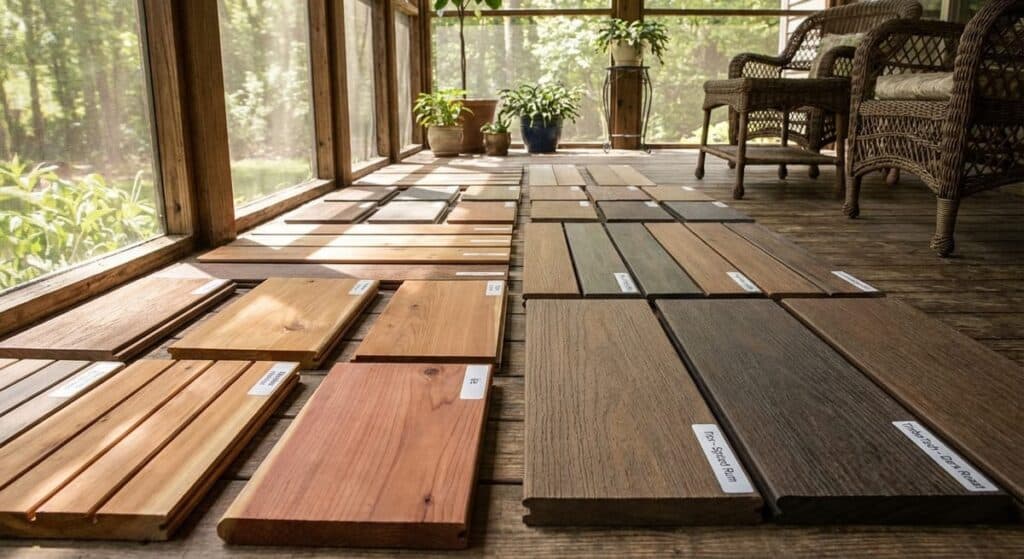
Composite decking dominates our North Atlanta projects because it handles humidity without warping, resists pollen staining, and requires minimal maintenance over 25+ year lifespans. Premium composite brands use protective shell technology that prevents moisture penetration and color fading from UV exposure. Material costs run about double what pressure-treated wood costs, but you’ll recover the upfront premium within 7-8 years through eliminated maintenance.
Pressure-treated wood offers lower initial costs but demands annual maintenance in Georgia’s climate. If you choose wood, specify kiln-dried after treatment (KDAT) lumber that removes excess moisture before installation, reducing warping by 60-70% compared to standard pressure-treated material.
Screening Materials for Indoor Outdoor Flow
Fiberglass screening provides the best balance of visibility, durability, and pollen protection. Standard 20×20 mesh blocks larger insects and most pollen while maintaining excellent visibility. Premium 18×14 mesh offers superior pollen protection but slightly reduces visibility in low light conditions. Fiberglass lasts 15-20 years in Georgia’s climate.
Aluminum screening costs less initially but deteriorates faster. Expect 7-10 year lifespan before oxidation weakens the mesh.
Pet-resistant screening uses heavier vinyl-coated polyester strands that resist tears from pet claws. This material costs about triple what standard fiberglass costs but prevents replacing screens damaged by enthusiastic dogs.
Window Systems for Season Rooms
Three-season room windows use single-pane glass or basic double-pane systems without low-E coatings or argon gas fills. Expect U-values around 0.45-0.55, adequate for spring through fall comfort but insufficient for efficient year-round HVAC performance.
Four-season room windows must meet residential building code requirements: double-pane glass with low-E coatings, argon gas fills between panes, U-values of 0.30 or lower, and Solar Heat Gain Coefficients between 0.25-0.40.
Roofing Materials for Covered Outdoor Living
Architectural shingles matching your existing roof create seamless visual integration while providing 25-30 year warranties. Most North Atlanta homes use architectural shingles, making this the default choice for screened porches and covered patios.
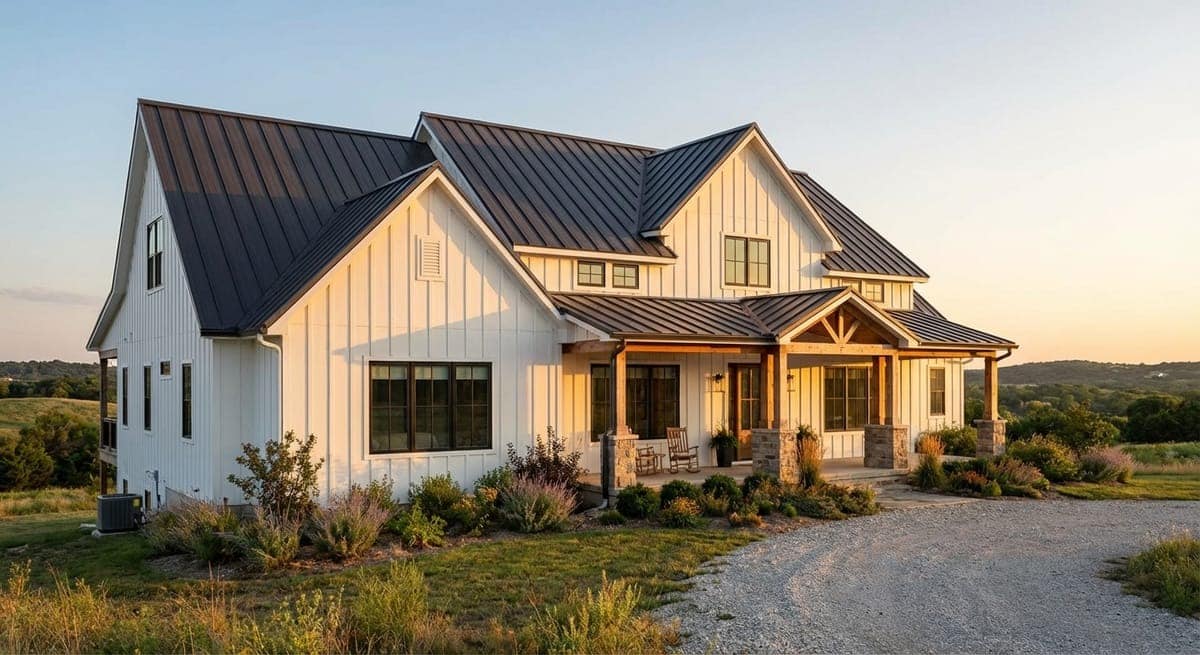
Metal roofing offers superior longevity (40-50+ years) and reflects more solar heat than shingles, keeping covered spaces cooler in summer. Standing seam metal roofs cost about double what architectural shingles cost but require zero maintenance.
Frequently Asked Questions
Can I use an indoor-outdoor living space year-round in Georgia’s climate?
Yes, with the right design choices. Screened porches work comfortably spring through fall, covering 8-9 months. Adding heating extends use into winter months, though January-February may still feel too cold. Four-season sunrooms with full HVAC provide genuine 12-month comfort.
What’s the best indoor outdoor living room solution vs a traditional sunroom?
Screened porches use mesh screening for bug protection while maintaining outdoor temperatures, perfect for spring through fall use. Sunrooms use insulated glass windows with climate control for year-round comfort. Screened porches cost less and provide that genuine outdoor feel, while sunrooms deliver interior-quality climate control.
Do I need a permit for a screened porch in Woodstock, Alpharetta, or Roswell?
Yes, most indoor-outdoor projects require building permits in metro Atlanta cities. Processing times vary: Canton and Woodstock take 1-3 weeks, Alpharetta and Roswell take 2-4 weeks, and Milton requires 3-4 weeks. Artistic Construction handles all permit applications, plan submissions, and inspection coordination.
How does indoor outdoor living increase my home value?
Quality indoor-outdoor spaces add functional square footage at 40-60% the cost of traditional interior additions, providing strong return on investment. In North Atlanta’s competitive market, these features consistently appear on buyer wish lists and differentiate homes during showings. For detailed information on return on investment, explore how much deck additions increase home value in Atlanta.
What maintenance does a screened porch require?
Screened porches need minimal maintenance when built with quality materials. Expect 15-20 minutes weekly during pollen season to hose down screens and surfaces. After pollen season ends, maintenance drops to occasional cleaning every 2-3 weeks. Premium fiberglass screening lasts 15-20 years before requiring replacement, while composite decking needs no staining or sealing.
Can I add a screened porch if I have an HOA?
Most HOAs in metro Atlanta allow screened porches and covered patios with proper architectural approval. We navigate HOA requirements regularly across North Atlanta subdivisions and handle all submission documentation. Many communities require designs matching your home’s existing architecture. We ensure compliance before construction begins.
Ready to explore which indoor outdoor living solution fits your home and budget? Artistic Construction provides free consultations and site evaluations across Woodstock, Canton, Acworth, Kennesaw, Marietta, Roswell, Alpharetta, Milton, Holly Springs, and Ball Ground. We’ll discuss your goals, assess your property’s specific opportunities, explain realistic options within your budget, and provide honest guidance. Contact us today to start planning your indoor-outdoor transformation.