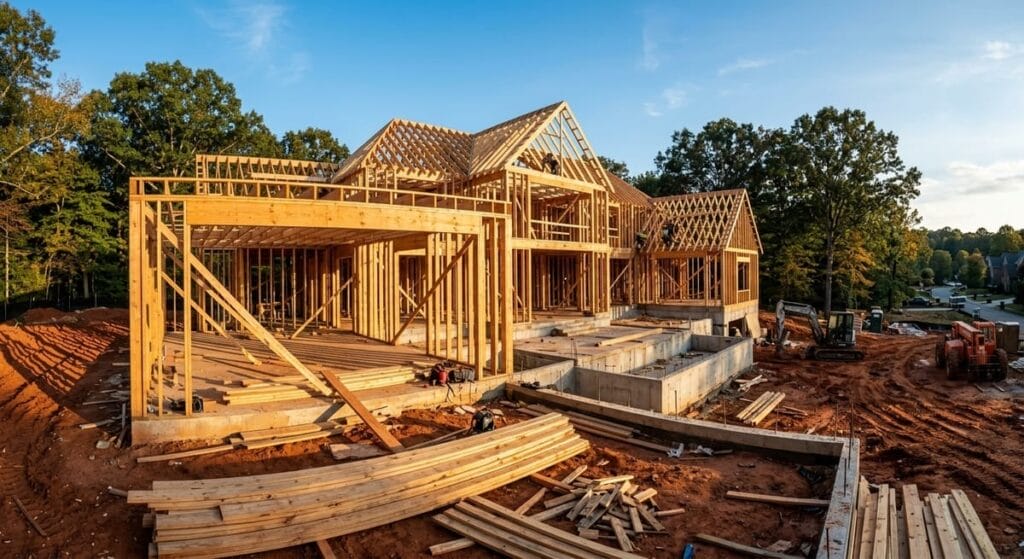
You’ve found your dream property in Cherokee County or identified the perfect Alpharetta home to renovate. Now comes the decision that shapes everything: who actually builds it? The terms “custom home builder” and “general contractor” get thrown around interchangeably, but choosing the wrong construction professional for your project type can cost you months of delays and significant budget overruns.
Most homeowners in North Metro Atlanta face this confusion when hiring a construction professional. The difference between these roles isn’t just semantics; it fundamentally changes your project experience, timeline, and final outcome.
This guide clarifies exactly what each professional does, when you need a custom home builder versus a general contractor, and how to choose the right construction partner for your specific project in Woodstock, Marietta, Roswell, or surrounding areas.
Understanding Your Construction Options
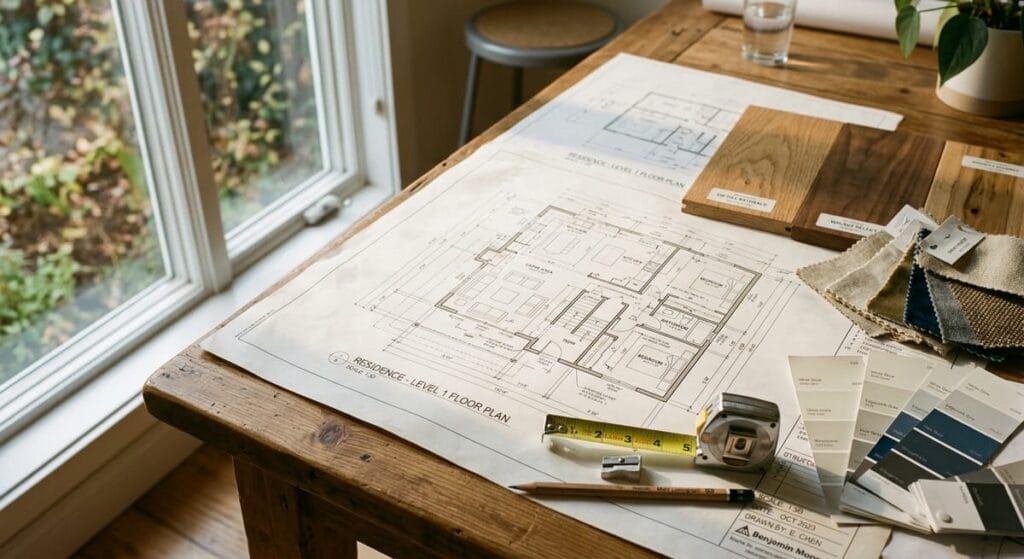
What Is a Custom Home Builder?
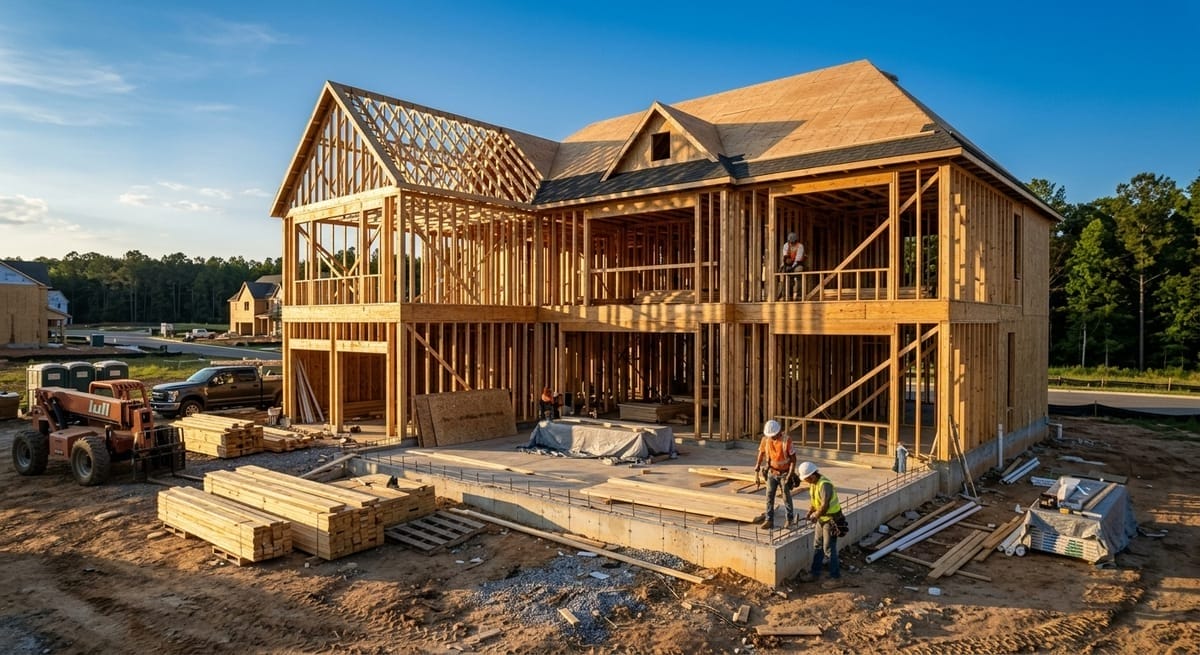
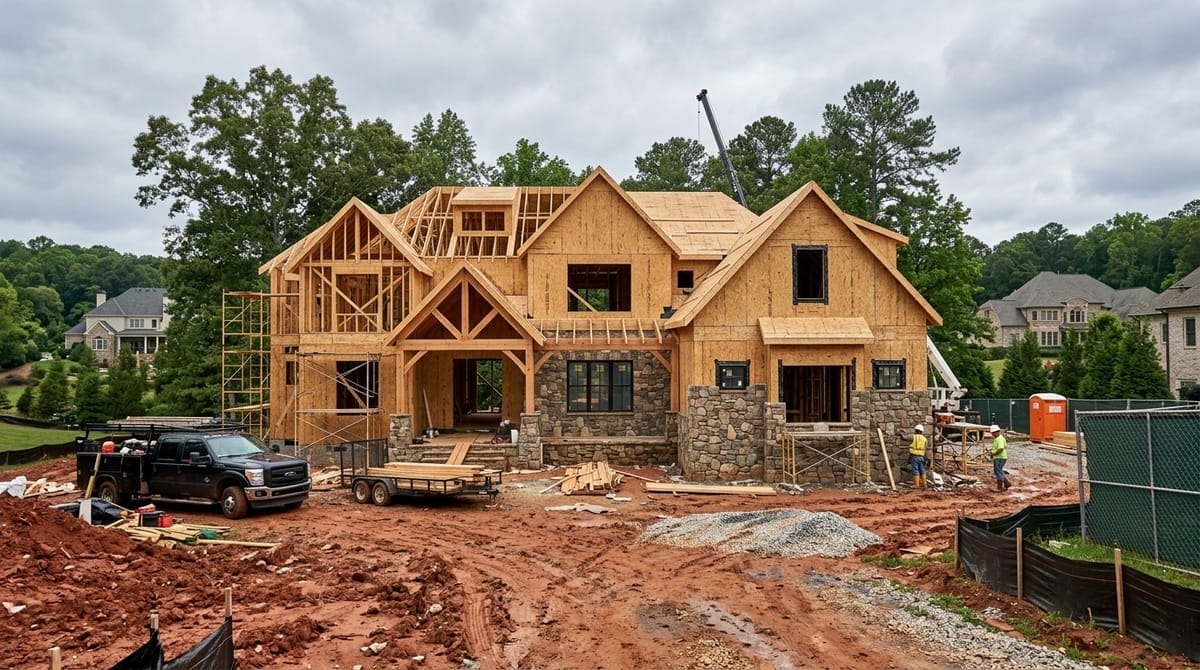
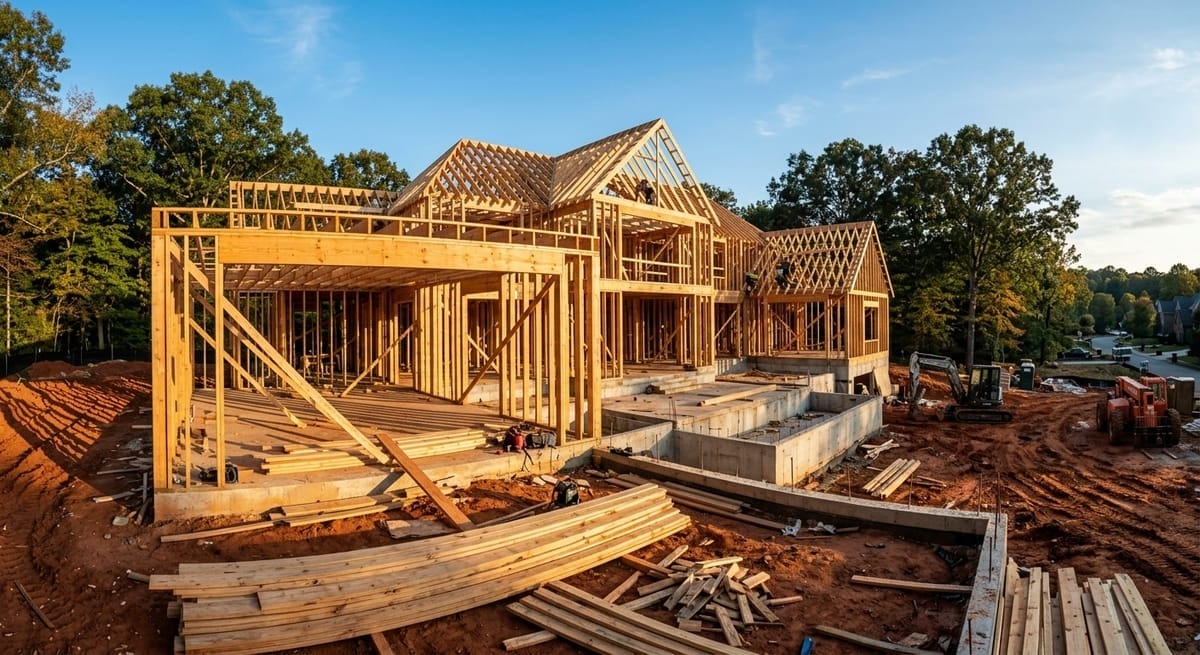
A custom home builder specializes in ground-up new construction designed specifically for your lifestyle and preferences. They offer integrated design-build services, handling both architectural design and construction management under one contract. You work with a single point of contact who manages everything from initial floor plan concepts through final walkthrough: securing building permits, coordinating subcontractors, managing inspections, and ensuring construction quality control.
The builder’s expertise lies in translating your lifestyle needs into structural reality. They guide material selections, recommend design modifications that improve functionality or reduce costs, and solve problems when your vision meets real-world building challenges.
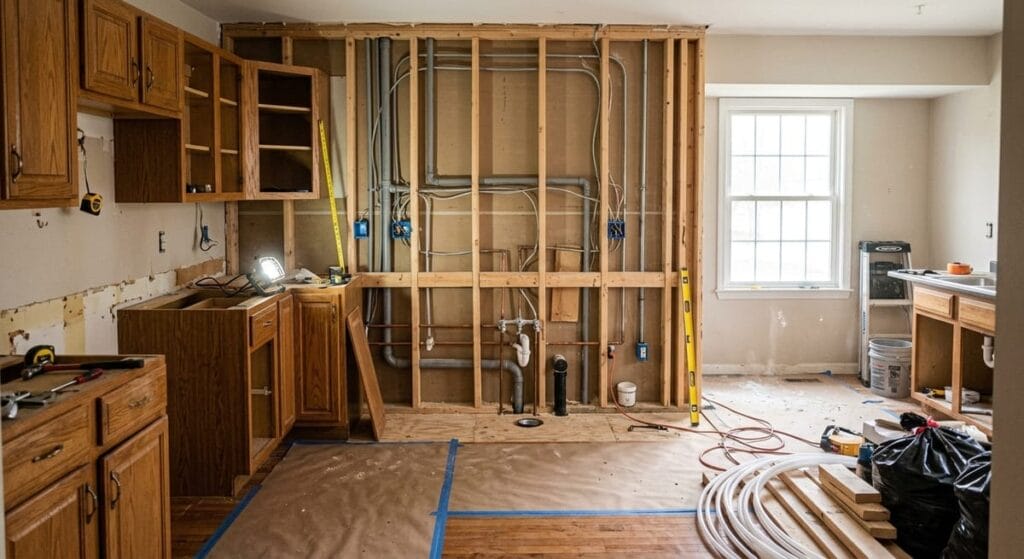
What Is a General Contractor?
A general contractor executes residential construction projects from existing architectural plans. They specialize in bringing completed designs to life, whether that’s a kitchen remodel, bathroom renovation, home addition, or whole-home transformation.
Contractors coordinate specialized subcontractors (framers, electricians, plumbers) but they work from construction plans created by a separately-hired architect or designer. Their strength is construction management: scheduling trades efficiently, ensuring work meets building code requirements, solving on-site challenges, and delivering quality craftsmanship.
Most contractors excel at renovation and remodeling work. They understand how to work within existing structures, address unexpected discoveries like outdated wiring or water damage, and complete projects while you continue living in your home.
Six Key Differences Between Custom Home Builders and General Contractors
1. Project Specialization
| Construction Professional | Best For | Why |
| Custom Home Builder | New home construction on raw land, complex custom homes requiring architectural coordination | Integrated design-build process, manages land development challenges |
| General Contractor | Kitchen/bathroom remodels, home additions, whole-home renovations | Specializes in working within existing structures, handles occupied-home projects |
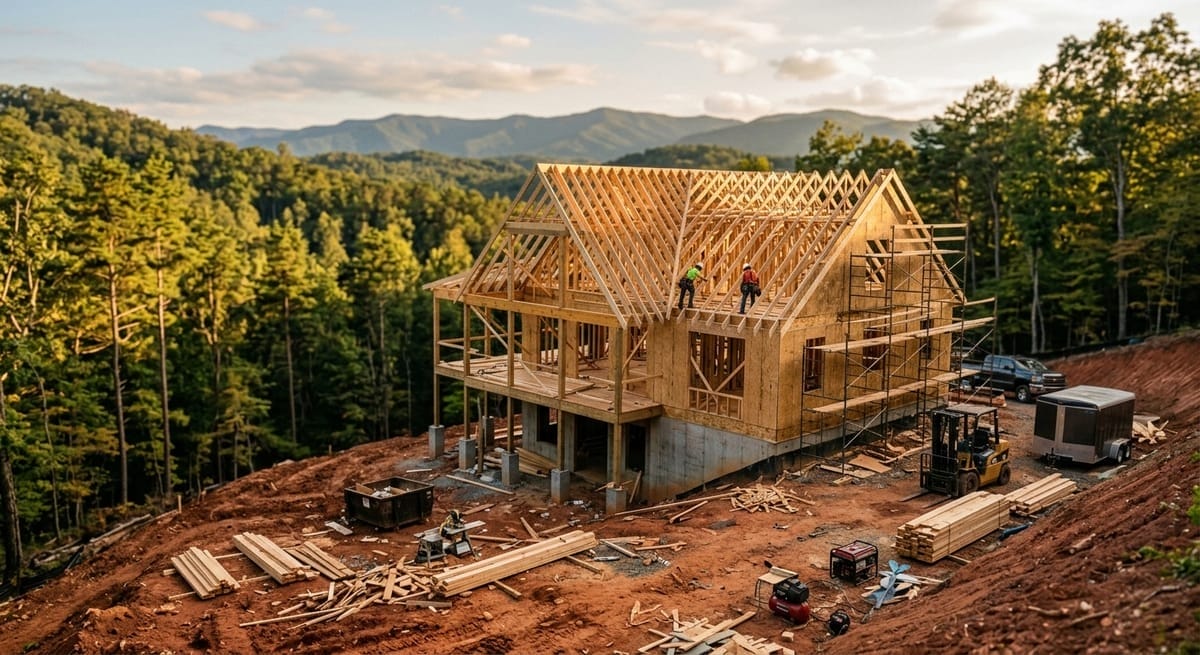
Building new in Canton where you need to position windows for mountain views and design custom ceiling heights? Choose a custom home builder. Renovating your 1980s Alpharetta home to open the first floor and modernize finishes? A residential contractor is your ideal choice.
2. Design Services and Creative Control
Custom home builders integrate architectural design services into their offerings. Many maintain in-house designers or established partnerships with architects who understand the builder’s construction methods. This creates seamless design-build collaboration where design decisions consider structural feasibility and cost implications in real-time.
You participate in an iterative design process with 3D renderings, material selections, and floor plan refinements before construction begins. Design changes during the planning phase cost far less than modifications after framing starts.
Contractors execute completed architectural plans. You hire an architect separately to create your design, then the contractor bids on building it. While contractors suggest modifications for buildability or cost savings, major design changes require returning to your architect for plan revisions, which means additional fees and timeline delays.
3. Project Management and Accountability
Custom home builders provide single-contract simplicity covering both design and construction. One point of contact handles all decisions from concept through completion. This complete accountability means design problems, construction challenges, and warranty issues all flow through the same professional.
Contractors operate within a multi-contract system. You maintain separate contracts with your architect and contractor. This requires coordinating between designer and builder, and responsibility splits between these professionals.
4. Customization Capabilities
Custom home builders thrive on unlimited customization in new construction. During the design-build phase, you specify every detail: ceiling heights in each room, custom window sizes for specific views, unique material combinations, built-in features tailored to your hobbies. Your builder sources specialized materials, coordinates with artisan craftspeople for unique features, and solves technical challenges that come with one-of-a-kind design elements.
Contractors work within parameters established by architectural plans. Modifications are possible but require plan revisions, additional architect fees, and potentially re-submitted building permits. Significant customization should happen during the architectural phase, not during construction.
5. Cost Structure and Pricing Models
Custom home builders charge comprehensive fees including design services, permitting, construction project management, materials, labor, and builder profit. This integrated design-build approach streamlines budgeting with one comprehensive contract.
Contractors charge for construction management and coordination services. However, you pay architectural fees separately. Total investment ends up comparable when you account for all required professional services.
Payment structures differ. Builders use milestone-based payments tied to construction phases: foundation complete, framing done, mechanicals rough-in finished. Contractors frequently use draw schedules linked to completion percentages.
6. Warranties and Long-Term Support
Custom home builders offer comprehensive warranties covering all construction aspects. One entity stands behind the entire project, providing terms of one-year workmanship plus extended structural warranties up to ten years. Any issue requires just one call.
Contractors coordinate separate subcontractor warranties. Multiple businesses handle different trades, with individual trade warranties ranging one to five years depending on the trade. Different problems require contacting different subcontractors.
How to Choose the Right Construction Professional for Your Project
Choose a Custom Home Builder If You’re Building on Raw Land
Building in Canton, Ball Ground, Holly Springs, or other areas where new construction dominates? Builders navigate the complexities of starting from scratch: land surveys, soil testing, septic systems common in rural Cherokee County, well water considerations, and designing around your specific lot’s characteristics.
Choose a Custom Home Builder If Your Project Requires Unlimited Customization
You don’t have finalized architectural plans and want collaborative input on design. Custom home builders excel at design-build processes that translate vision into buildable reality.
Choose a Custom Home Builder If You Value Single-Point Accountability
One contract, one phone number, one entity responsible for delivering your completed home. This simplifies communication and eliminates finger-pointing when designers and contractors disagree.
Choose a Custom Home Builder If Your Project Includes Complex Architectural Features
Vaulted ceilings, custom staircases, unique window configurations, specialized rooms like home theaters or wine cellars. When design complexity increases, having designer and builder collaborating throughout prevents costly surprises.
Choose a General Contractor If You’re Remodeling or Adding to an Existing Home
Kitchen renovations, bathroom updates, basement finishing, room additions, whole-home remodels. Residential contractors specialize in these projects and maintain established relationships with renovation-focused subcontractors.
Choose a General Contractor If You Already Have Completed Architectural Plans
You’ve invested time and money in design work with an architect, and now you need expert construction execution. Contractors bid competitively on plan-based projects and focus entirely on construction quality.
Choose a General Contractor If Your Project Is a Straightforward Remodel
For common residential improvements like kitchen, bathroom, or basement remodels, contractor specialization delivers excellent value.
Project Type Quick Reference
| Project Type | Best Choice | Reason |
| New home on raw land | Custom home builder | Integrated design-build, land development expertise |
| Major whole-home renovation | Either (depends on plans) | Contractor if you have plans, builder for design integration |
| Kitchen remodel | General contractor | Specialization in renovation work |
| Bathroom renovation | General contractor | Efficient focused project execution |
| Single-story addition | Either (depends on plans) | Contractor with plans, builder for design complexity |
| Second-story addition | Custom home builder | Structural complexity requires design-build integration |
| Basement finishing (standard) | General contractor | Efficient renovation specialist |
| Basement finishing (complex) | Custom home builder | Design-build integration for specialty elements |
Building in North Atlanta: Local Considerations That Matter
County-Specific Building Permits and Construction Timelines
Cherokee County processes residential building permits in 4-6 weeks. The county remains more flexible than neighboring areas, but septic requirements add complexity in rural zones like Ball Ground and far north Canton.
Cobb County requires 6-8 weeks for construction permit approval. Since 2022 stormwater management requirement updates, many projects need additional engineering documentation.
Fulton County processes building permits in 8-12 weeks, the longest timeline. North Fulton cities like Alpharetta, Milton, Johns Creek, and Roswell add city-level reviews beyond county building permits.
Navigating HOAs and Architectural Review Boards
Milton, Alpharetta, Johns Creek, and many Roswell neighborhoods maintain strict architectural review requirements. Expect 6-8 week approval processes requiring detailed submission packages: architectural elevations, material samples, color specifications, landscaping plans, hardscape details.
Common rejection reasons that delay construction projects for months:
- Exterior materials outside covenant specifications
- Roof colors or pitches that don’t match neighborhood standards
- Insufficient landscaping details
- Garage door positioning non-compliance
- Window styles outside architectural guidelines
A builder or contractor who’s completed projects in your specific HOA knows the review board members, understands unwritten preferences, and prepares submissions that gain approval quickly.
Before hiring anyone for projects in HOA-controlled areas, ask: “How many projects have you completed in my neighborhood? May I contact those homeowners?”
Safety Standards and Building Code Compliance
Georgia requires all residential construction professionals to carry general liability insurance and workers’ compensation coverage. Verify your builder or contractor maintains active coverage throughout your project.
Foundation Waterproofing
Clay soil common throughout Cherokee, Cobb, and Fulton counties expands and contracts with moisture, placing continuous pressure on foundations. Experienced builders install comprehensive drainage systems, waterproofing membranes, and grading that directs water away from foundations.
Electrical Work
All electrical work must meet current National Electrical Code standards. Many older homes in established Marietta and Roswell neighborhoods contain outdated wiring that doesn’t support modern electrical loads. Licensed electricians performing your work must pull proper permits and pass inspections.
HVAC Systems
Proper sizing calculations based on your home’s square footage, insulation levels, window efficiency, and Georgia’s climate are essential. Reputable builders and contractors use Manual J load calculations, not rules of thumb.
Building Permit Compliance
Work completed without proper permits creates serious problems when you sell your home. Title companies and buyers’ lenders require proof that additions, electrical upgrades, and structural modifications received permits and passed inspections.
Making Your Decision
The choice between a custom home builder and general contractor depends entirely on your project type, current planning stage, and desired involvement level. Neither option is universally “better.” They serve different construction needs.
Building new with land but no architectural plans? Start with custom home builders who offer design-build services. You gain streamlined timelines, integrated decision-making, and single-point accountability.
Renovating your existing home with a clear vision but no plans? Meet with both contractors and builders. Contractors can recommend architects they work with effectively, or builders can provide design-build proposals if your project scope justifies their approach.
You have completed architectural plans and need expert execution? Contractors compete based on construction expertise, reputation, and fair pricing.
The most important factor isn’t which title someone uses. It’s their specific experience in your area, with your project type, and their reputation for quality work and clear communication. Request references from projects in your city, verify licensing with Georgia’s Secretary of State, and trust your instincts about who listens to your needs and explains construction processes clearly.
At Artistic Construction, we’ve helped hundreds of North Atlanta homeowners navigate this decision. Whether you need custom home building services or expert guidance on your renovation plans, get a free estimate to discuss your specific project needs. We serve Woodstock, Canton, Acworth, Kennesaw, Marietta, Roswell, Alpharetta, Milton, Holly Springs, and Ball Ground with transparent communication, reliable timelines, and the local expertise that prevents costly surprises.
Your home represents your family’s largest investment and daily comfort. Getting this professional choice right matters. With the framework in this guide, you can evaluate builders and contractors confidently, ask informed questions, and select the construction professional who truly fits your project needs.
Frequently Asked Questions
Can a general contractor build a custom home from scratch?
Yes, contractors can build custom homes, but they require you to hire an architect separately to create complete construction plans first. A custom home builder provides integrated design-build services, streamlining the process with one contract and coordinating design decisions throughout construction.
Which costs more: hiring a custom home builder vs general contractor?
Custom home builders charge comprehensive fees including design services. Contractors charge construction management fees plus you pay separate architectural fees. Total professional fees end up similar when accounting for all required services.
Who handles building permits: the builder, contractor, or homeowner?
Custom home builders handle all building permits and inspections as part of comprehensive service. Contractors may or may not include permitting in their scope. Clarify this in your contract before signing.
How long does each type of construction project take in metro Atlanta?
New home construction takes 12-18 months from design start to move-in. Major whole-home renovation requires 4-6 months depending on scope. Kitchen remodels need 6-8 weeks for standard projects, 10-12 weeks for extensive renovations. Add 2-4 weeks for properties in strict HOA areas.
Do I need architectural plans before contacting either construction professional?
Not necessarily. Custom home builders begin with your vision and develop plans through their design-build process. You don’t need completed plans before initial consultation. Contractors require finished construction documents to provide accurate estimates and timelines.
What warranties should I expect from custom builders versus general contractors?
Reputable custom home builders offer one to two-year comprehensive warranties covering all construction aspects, with single-point service for any issues. Contractors coordinate individual subcontractor warranties. Electrical work, plumbing, roofing, and foundation work each carry separate warranties from respective trades, ranging one to five years.
How do I verify a builder or contractor is properly licensed in Georgia?
Georgia requires residential contractors to hold active licenses through the Secretary of State. Verify licensing status at the Georgia Secretary of State website or request the license number directly and confirm it’s current. Also verify they carry general liability insurance and workers’ compensation coverage.