 Est. 2003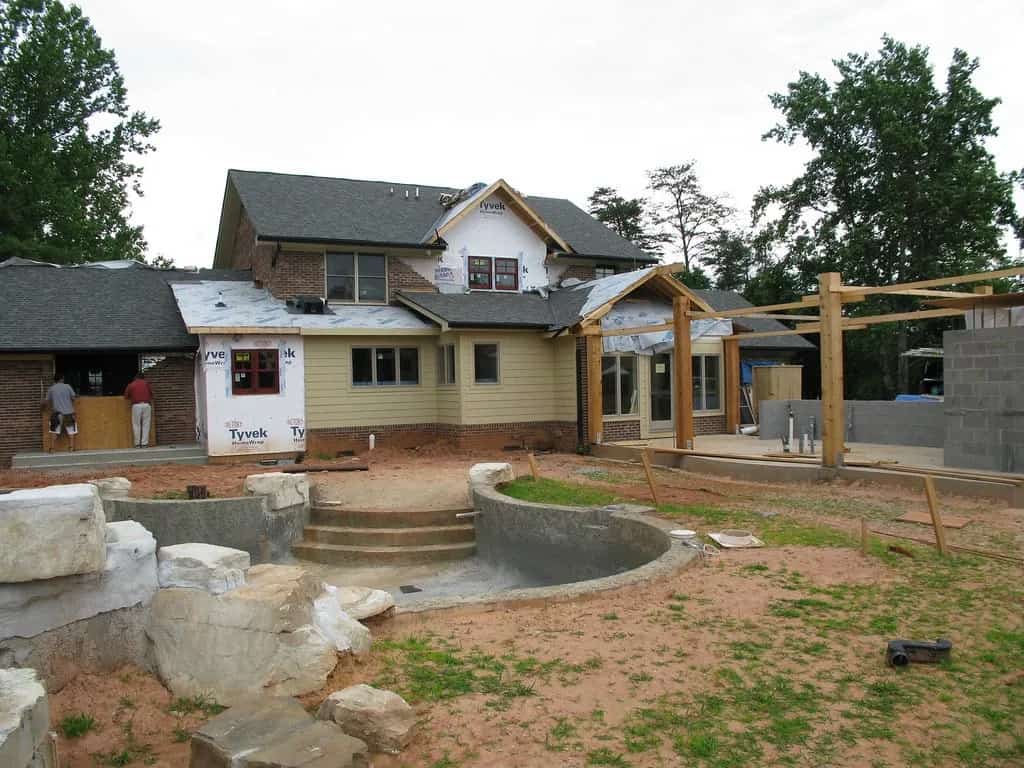
How much does a home addition cost per sq ft in North Georgia? (2026)

The average home addition in North Georgia runs $150–$300 per square foot in 2026, depending on complexity, materials, and mechanical work. Most homeowners invest between $50,000 and $250,000 based on the size and features of their addition.
What drives the cost
| Factor | Impact | Range variation |
|---|---|---|
| Project complexity | High | $50–$150 / sq ft |
| Material quality | Moderate–high | $25–$100 / sq ft |
| Geographic location | Low–moderate | $10–$50 / sq ft |
| Mechanical work | High | $30–$200 / sq ft |
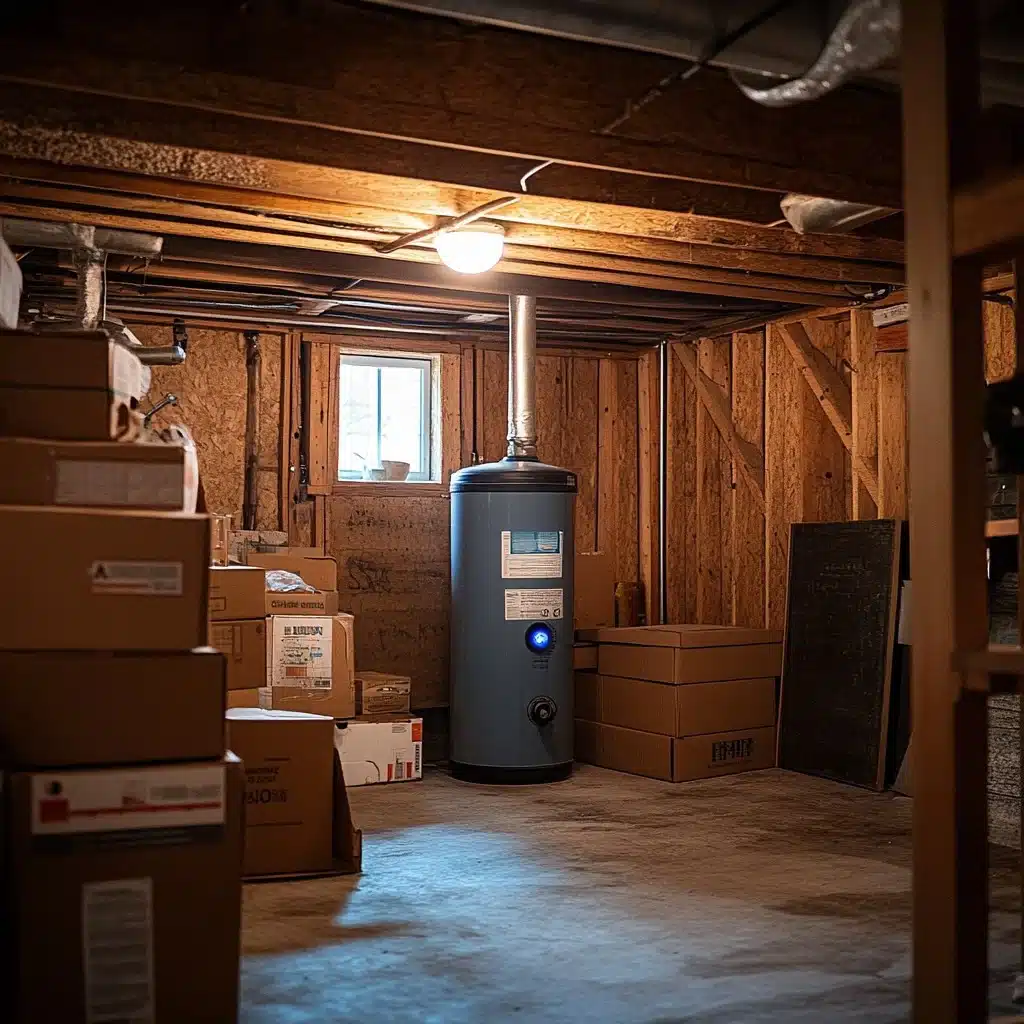
Most additions in metro Atlanta and the suburbs land between $150 and $250 per square foot. Mechanical systems add up fast: electrical $50–$200/sq ft, plumbing $30–$250/sq ft, HVAC $25–$150/sq ft.
Cost by size and room
| Size | Total cost | Typical use |
|---|---|---|
| 150 sq ft | $22,500–$45,000 | Small bedroom / home office |
| 200 sq ft | $30,000–$60,000 | Living room expansion |
| 300 sq ft | $45,000–$90,000 | Master suite |
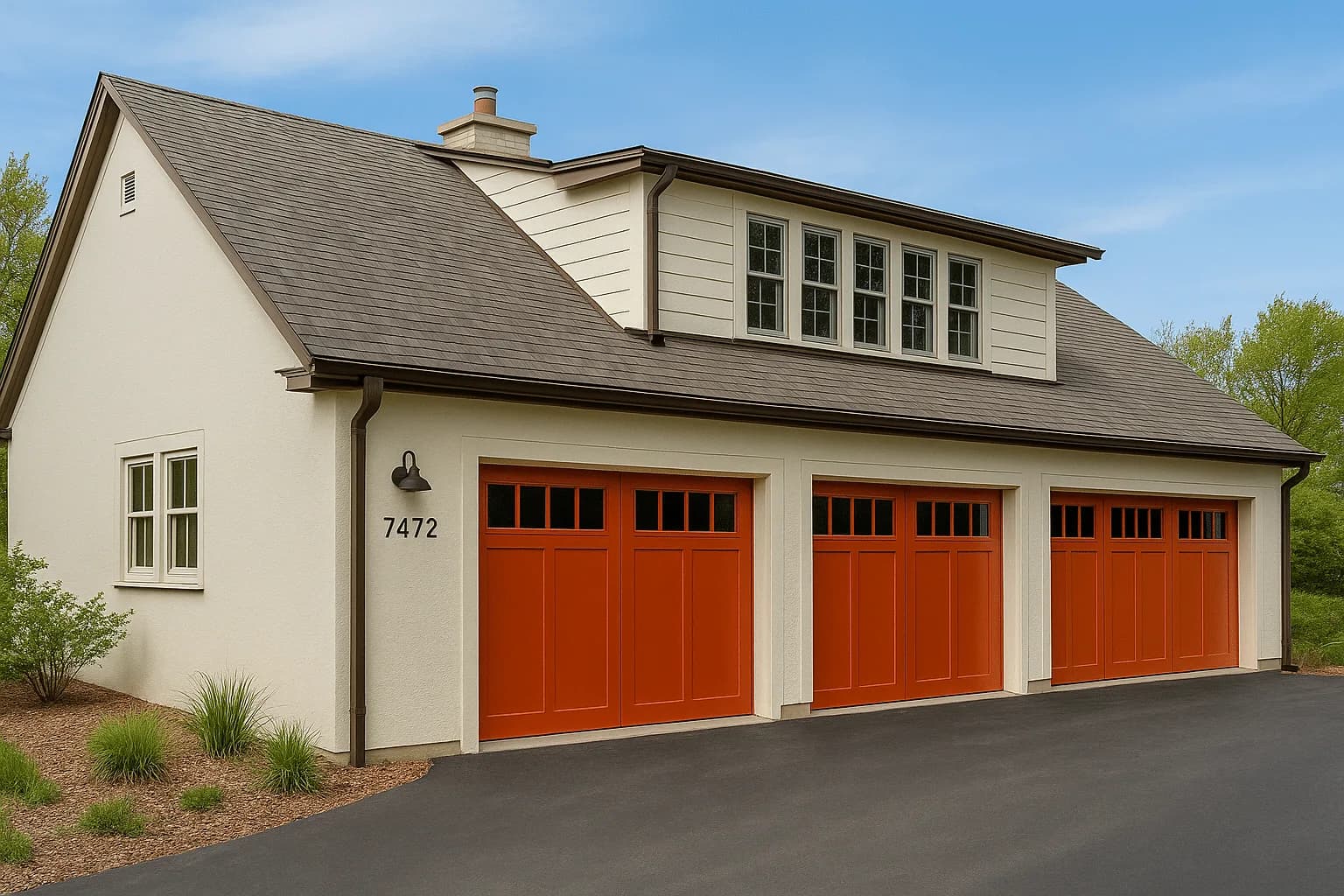
By room: kitchen additions are priciest ($250–$300/sq ft) due to plumbing, electrical, and appliances; bathrooms are mid-range ($200–$250); bedrooms are most straightforward ($150–$200). See the types of home additions and Georgia permit guide, or price your project with the home addition cost calculator.
What a sloped lot does to the price
On a level lot the foundation is a modest share of an addition, often the smallest line on the proposal. On a lot that falls away behind the house, which describes a large share of North Georgia's hillside subdivisions, it can become the largest single line, because reaching the existing floor level means a tall foundation wall, deeper footings, and more excavation than a flat-lot job of the same size. Two additions with identical framing and finishes can land tens of thousands of dollars apart once the grade behind each house is accounted for.
Grade affects even lots that read as flat. Many subdivision lots across Fulton, Cherokee, and Forsyth counties were cut and filled during development, and a footing that lands in old fill rather than undisturbed soil has to go deeper to bear properly. That is not visible from the yard. It is found with a soil probe before a foundation is priced, which is why a bid built from a site visit and one built from a satellite photo can differ so much on the same address.
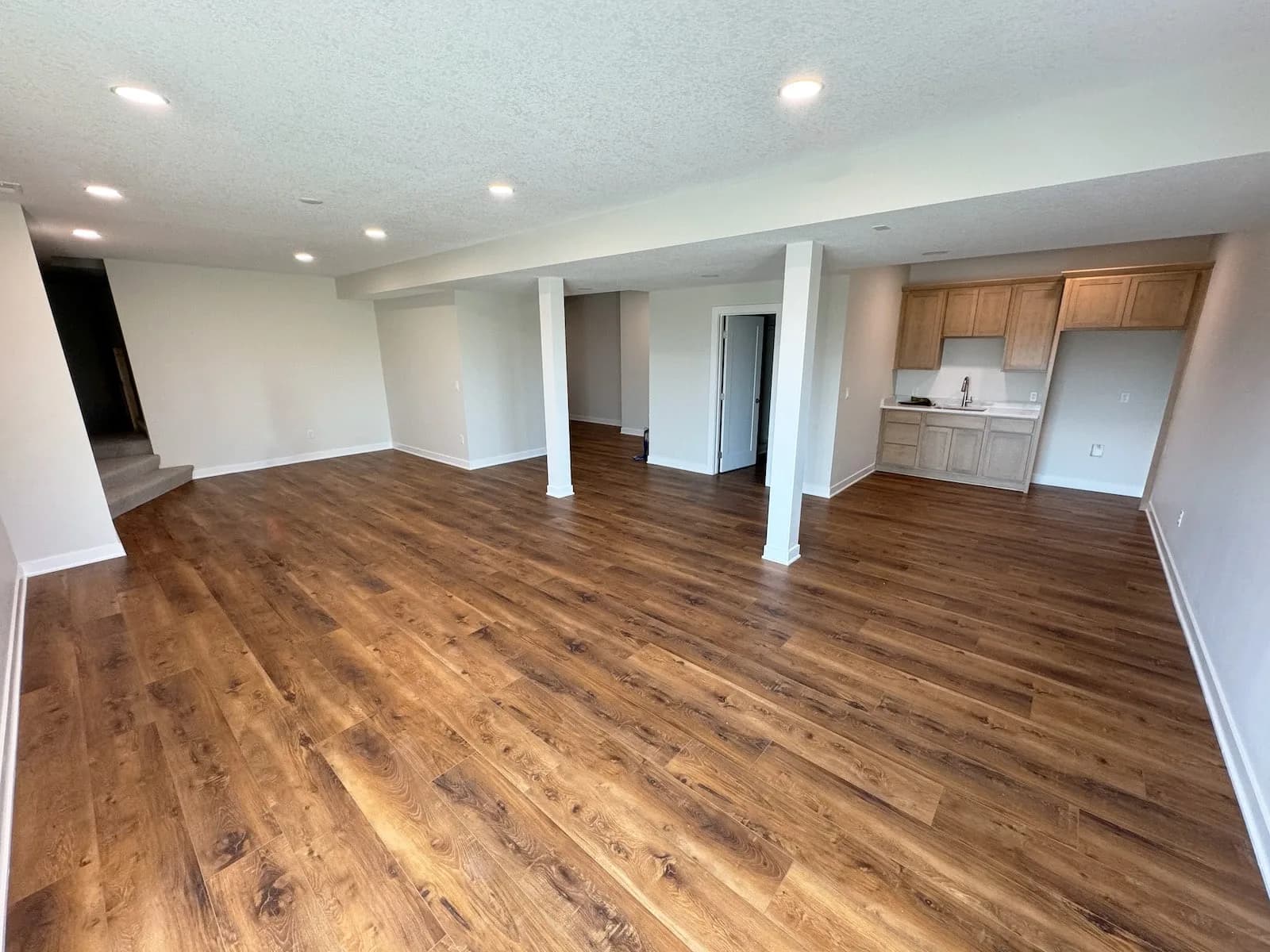
There is a real upside to a foundation that already has to go deep. If the wall is being built tall enough to reach grade, finishing the space it creates underneath is close to the cheapest square footage available on the whole project, because the framing and mechanicals needed to reach it are already part of the job. Ask for that option priced alongside the base scope rather than as an afterthought.
North Georgia considerations
Our climate, hot humid summers, occasional freezes, heavy rain, shapes foundation, insulation, and moisture-protection choices. It also interacts directly with the grading question above: much of North Georgia sits on weathered granite with a clay layer over it, and on a sloping lot that combination sheds water sideways rather than straight down. An addition planted in the path of that runoff will take water at the seam with the old house within a year or two if drainage is not part of the design, which is why a proper estimate accounts for footing drains and downspout discharge on a hillside lot rather than treating them as an add-on once a problem shows up.
Each municipality and county here also runs its own permitting process rather than one statewide rule, with different site-plan requirements, setback rules, and inspection sequences. A contractor who already builds in these counties saves time, money, and headaches, and our Georgia addition permit guide lists what several of the largest ones actually require. Request a free estimate and we’ll scope your addition with local codes and your specific lot in mind.
Frequently asked questions
How much to add 1,000 square feet?
Typically $125,000–$250,000 depending on room type, materials, and labor, bedrooms cost less, kitchens and bathrooms more.
Is it cheaper to add on or build up?
Building out (horizontal) is generally less expensive than building up, which often requires structural reinforcement and complex roof work.
What room adds the most value?
A bathroom offers strong ROI (~53%), especially if your home has fewer baths than comparable properties. Kitchens and added living space also boost value.
How much more does a sloped lot add to an addition?
Enough that it should be priced before you compare bids, not after. A foundation that has to reach grade on a falling lot needs a taller wall, deeper footings, and more excavation than a flat-lot job of the same footprint, and that difference alone can move a bid by tens of thousands of dollars. Ask any proposal to show the foundation cost on its own line so you can compare it directly.
Can a soil test change my quote after I've already signed?
It should not, if the contractor probed the site before pricing it. Fill soil from a subdivision's original grading needs a deeper footing to bear properly, and that is knowable before a shovel goes in the ground. A quote built from a site visit accounts for it up front; a quote built from a floor plan alone is the one that grows once excavation starts.

Planning a project?
Skip the guesswork, get real numbers.
Reading is great. A clear, itemized estimate is better. Tell us what you have in mind.