 Est. 2003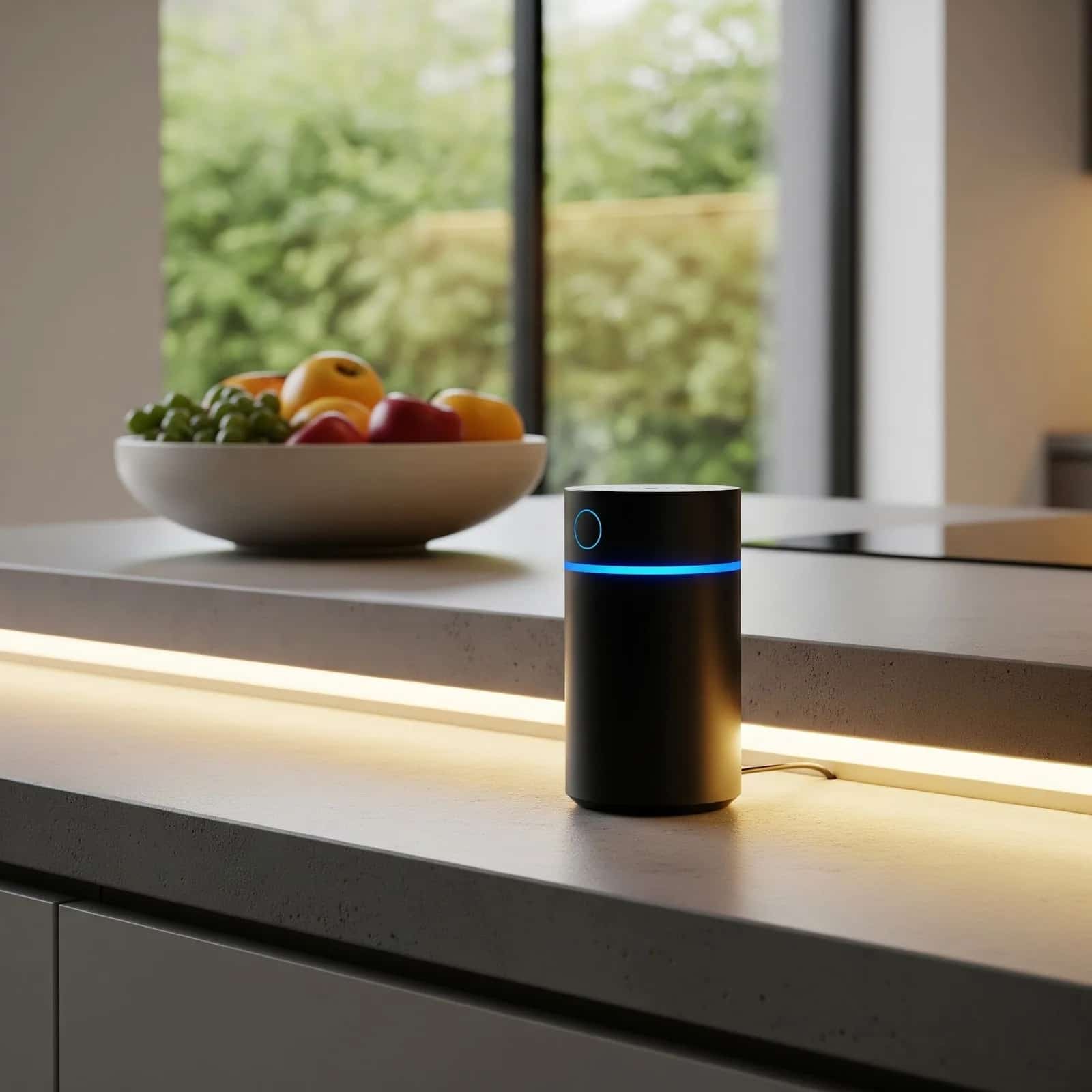

Good smart home wiring outlasts every gadget you will ever put on it. A structured wiring panel, CAT6 to every screen and camera location, and a few conduit runs cost 40–60% less while the studs are open than after drywall goes up, and they decide what the house can do for the next thirty years. This guide covers the wiring design ideas we rough into new builds in 2026, what they cost, and the systems worth putting on them.
Artistic Construction builds custom homes in Woodstock and across north metro Atlanta, and nearly every set of plans that crosses our desk now includes some level of smart home pre-wiring. Below is what we actually rough in during construction, what it costs, and which systems have held up in our clients’ homes. If your project includes a bigger remodel, our guide to modern home style options can help you sort through contemporary, farmhouse, mid-century, and transitional looks before framing starts.
Eight wiring ideas worth roughing in
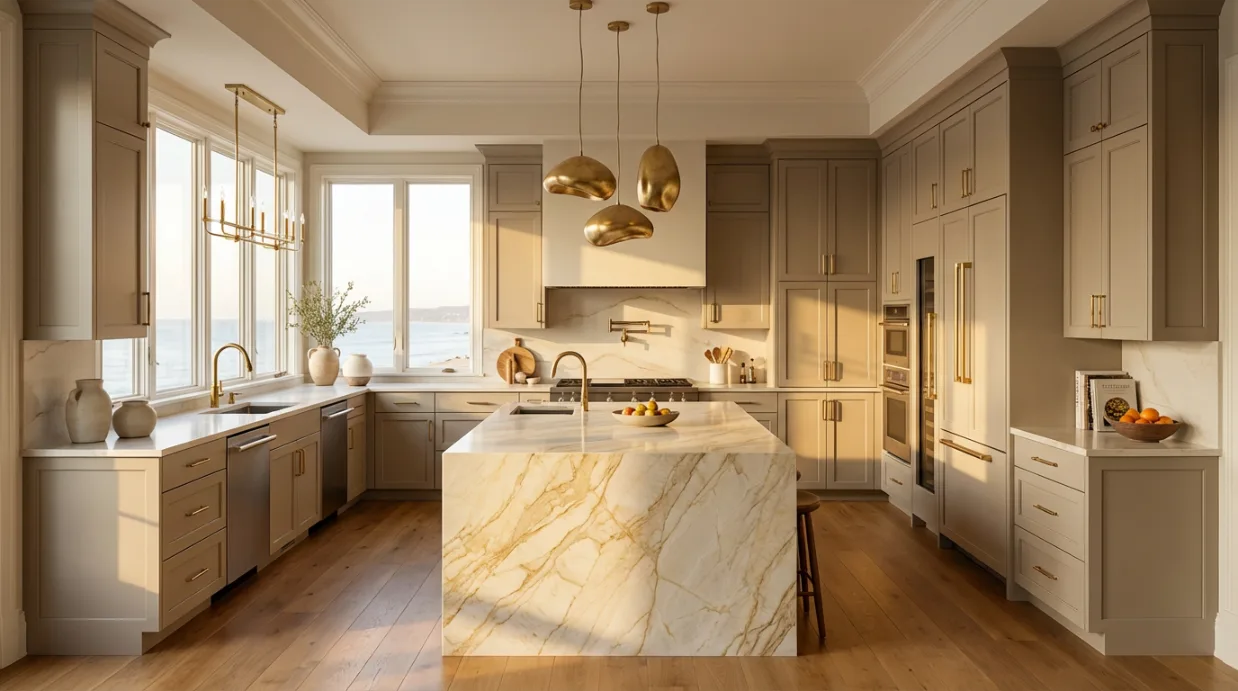
Every wiring design starts at a structured wiring panel: a recessed enclosure, usually in a closet or the mechanical room, where every low-voltage cable in the house terminates. Get the panel and the homeruns right and you can change systems for decades without opening a wall. These are the runs we rough in most often, roughly in order of value: If your remodel includes the kitchen, our guide to 2026 kitchen design trends in Atlanta covers the cabinet colors, islands, and finishes we are seeing most often.
- ✓ Structured wiring panel. A 28–42 inch recessed can with a duplex outlet inside it, placed centrally so no run gets excessively long. The modem, router, PoE switch, and camera recorder all live here.
- ✓ CAT6 homeruns. Two drops behind every TV, one at each desk or office wall, and one to every camera and access point location. At residential run lengths CAT6 carries 10 gigabit, so there is no need to pay for fiber to future-proof.
- ✓ Conduit. A 2-inch flexible conduit from the panel to the attic and another to the main media wall. Whatever cable standard arrives in 2035 pulls through in twenty minutes.
- ✓ PoE camera drops. CAT6 to the eaves at each corner of the house plus the front door. Power over Ethernet means one cable per camera, no battery swaps, and recording that survives a Wi-Fi outage.
- ✓ Ceiling access points. One CAT6 drop to a central hallway ceiling on each floor. Two hardwired access points outperform any mesh kit sitting on a shelf.
- ✓ Speaker pre-wire. 16/2 speaker wire to ceiling pairs in the kitchen, great room, primary suite, and covered patio, home-run back to a closet where an amplifier can live later.
- ✓ Motorized shade power. An outlet or low-voltage drop at the header of large windows. Hardwired shades never need charging, and this is the one item that is nearly impossible to add cleanly later.
- ✓ Spare pull strings. Every conduit gets one. The cheapest insurance in the house.
Just as important is what not to hardwire. Smart locks, plugs, and most sensors are battery-powered or wireless by design and work fine that way. The rule we give clients: hardwire anything that lives inside a wall or ceiling, go wireless for anything you can reach. If you are still deciding where to build or remodel, our guide to the best neighborhoods to live in Metro Atlanta breaks down Buckhead, Decatur, Midtown, and the north suburbs by schools, commute, and home value.
The same list applies to renovations. If a home addition or remodel already has walls open, the marginal cost of pulling low-voltage cable is small, and it is the best time to fix dead Wi-Fi zones for good.
What smart home wiring and automation cost
The numbers below are typical for the Atlanta metro in 2026. The spread inside each range is mostly house size and finish level:
- ✓ Low-voltage drop, new construction: $100–200 per location. The same drop fished through finished walls runs $300–800.
- ✓ Structured wiring package (panel plus 20–30 drops): $2,500–6,000 in a typical new build.
- ✓ Shade wiring: $150–300 per window during framing.
- ✓ Starter automation (smart thermostat, doorbell, garage controller, 6–10 smart switches): $2,000–4,000 installed.
- ✓ Whole-home lighting and audio (RadioRA 3 plus amplifiers and ceiling speakers): $12,000–25,000.
- ✓ Fully integrated Control4, Savant, or Crestron: $25,000–75,000+ depending on square footage and scope.
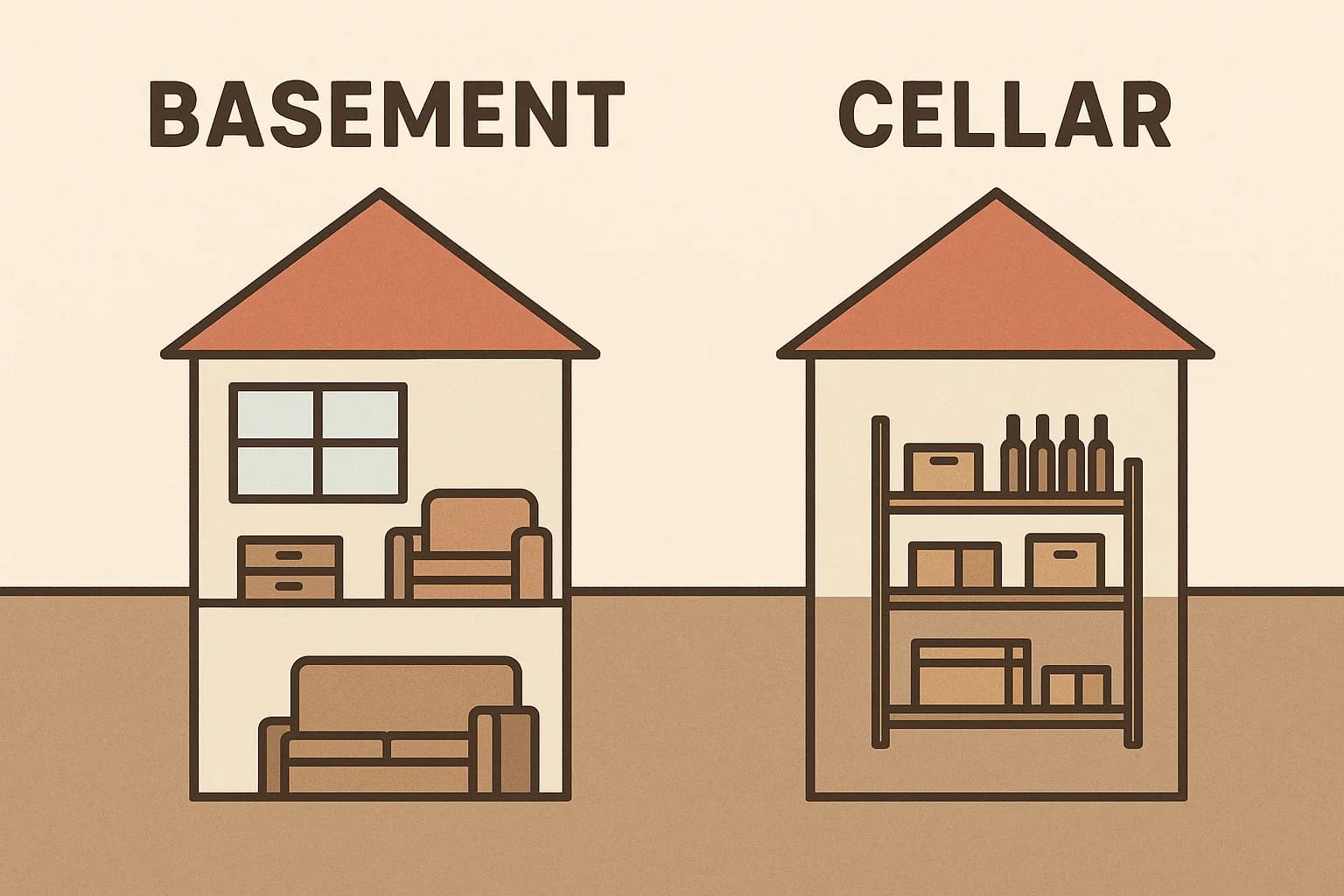
Renovation wiring lands between the new-construction and retrofit numbers because walls are only partly open. That is the real answer to what a smart home wiring renovation costs: it depends on how much drywall is coming down anyway, which is why we scope it inside the larger remodel rather than as a standalone line item. If your remodel includes the lower level, our 8 ideas for your basement can help you decide where to run cable for a theater, office, gym, or guest suite.
The best smart home system for new construction
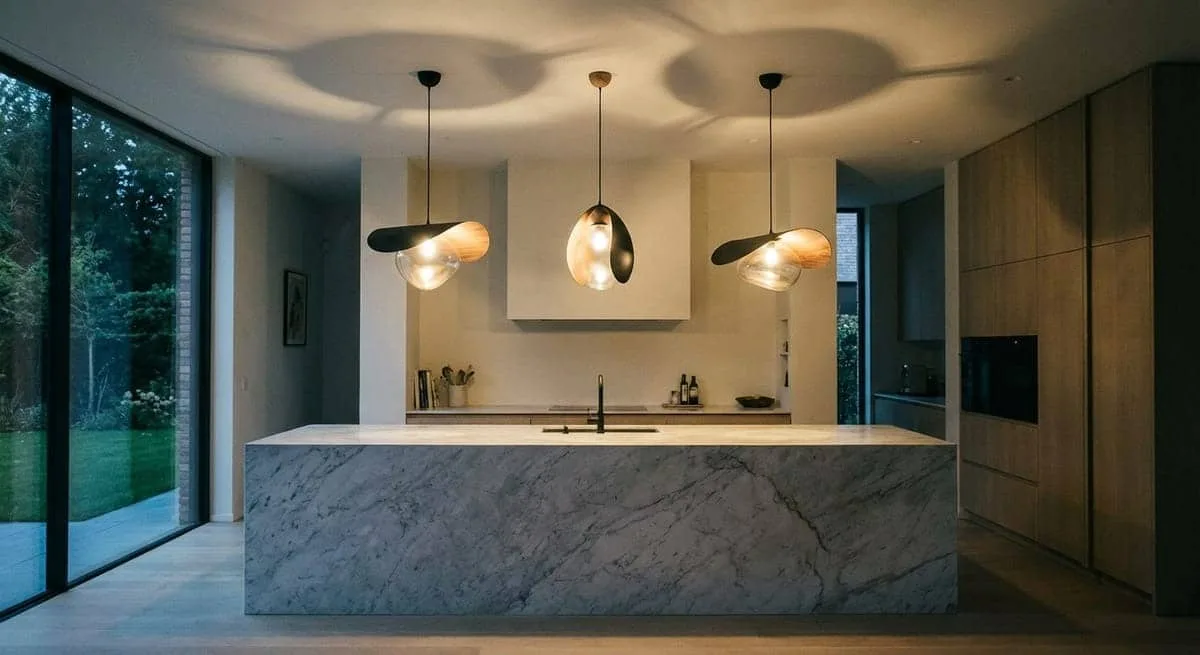
For most new builds the honest answer is a stack of three or four systems rather than one brand: Lutron for lighting, Ecobee or Nest for climate, Ring or ADT for security, and Sonos for audio. Each has its own app, all of them work with Alexa and Google Home, and a typical device budget lands between $1,500 and $3,000. If you are planning the lighting side of the project too, our guide to 2026 lighting trends for home remodels covers the fixture styles and finishes that are showing up in Atlanta homes this year.
If you want the whole house in one app with one installer responsible for it, that is dealer territory. Control4 is the volume leader and the most flexible on price, Savant has the most polished interface and suits Apple households, and Crestron is the custom top end found in estate-scale projects. Expect $15,000 to $40,000 for a Control4 or Savant install in an average new home, and more for Crestron. If you are still weighing building on your own property vs a subdivision, that choice also changes how much smart home wiring you can plan before framing starts.
Scalability is mostly a wiring question, not a brand question. A house pre-wired to the list above can start with a thermostat and a doorbell, then add whole-home lighting or a control processor five years later without opening drywall. That is why we push harder on the rough-in than on any particular system.
Security & smart doorbells
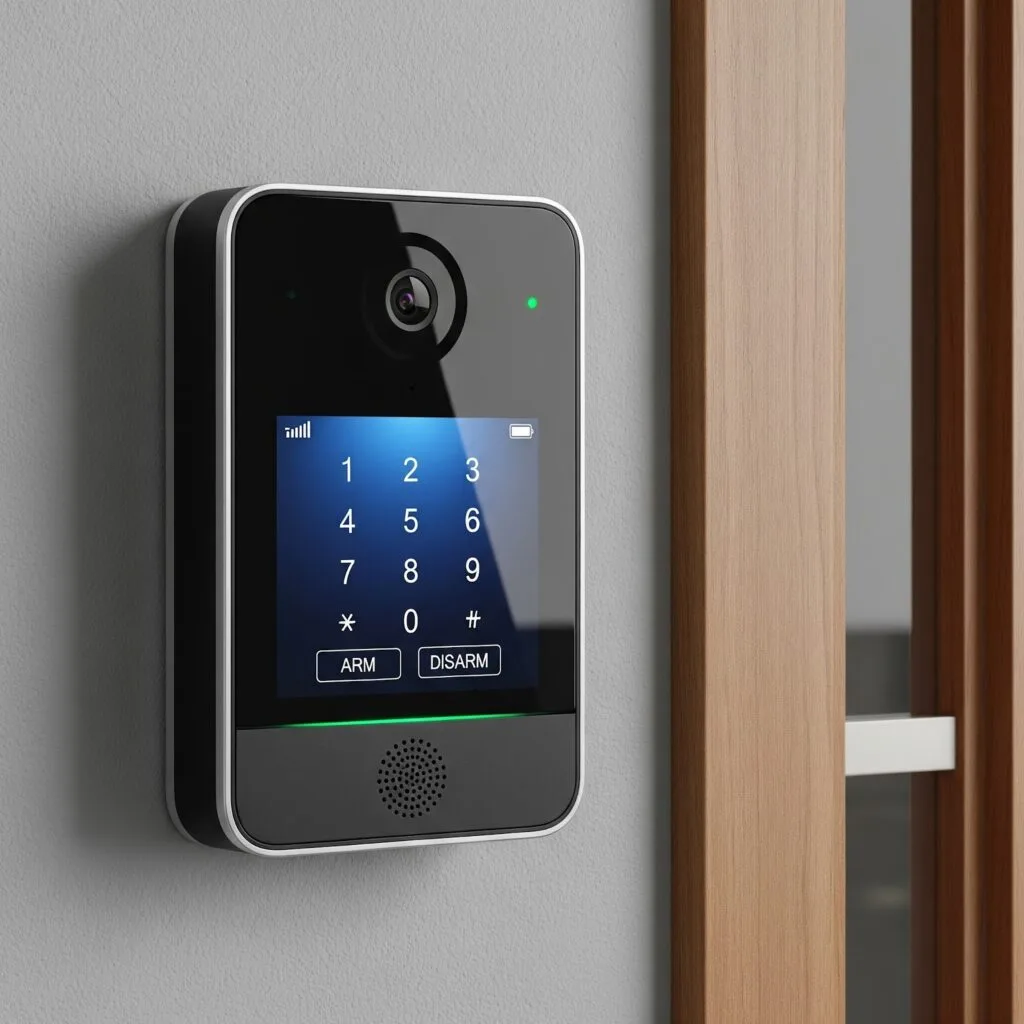
During construction we pre-wire cameras with CAT6 PoE cabling, smart doorbells with 16–24V low-voltage wiring, and control panels with dedicated 120V circuits and battery backup. Hardwired cameras are more reliable than wireless and need no battery changes. Top picks: Ring Alarm Pro ($20/mo, DIY-friendly), ADT Command ($45–60/mo, 24/7 professional monitoring), SimpliSafe ($0–27.99/mo, no contracts).
Smart home energy management systems in 2026
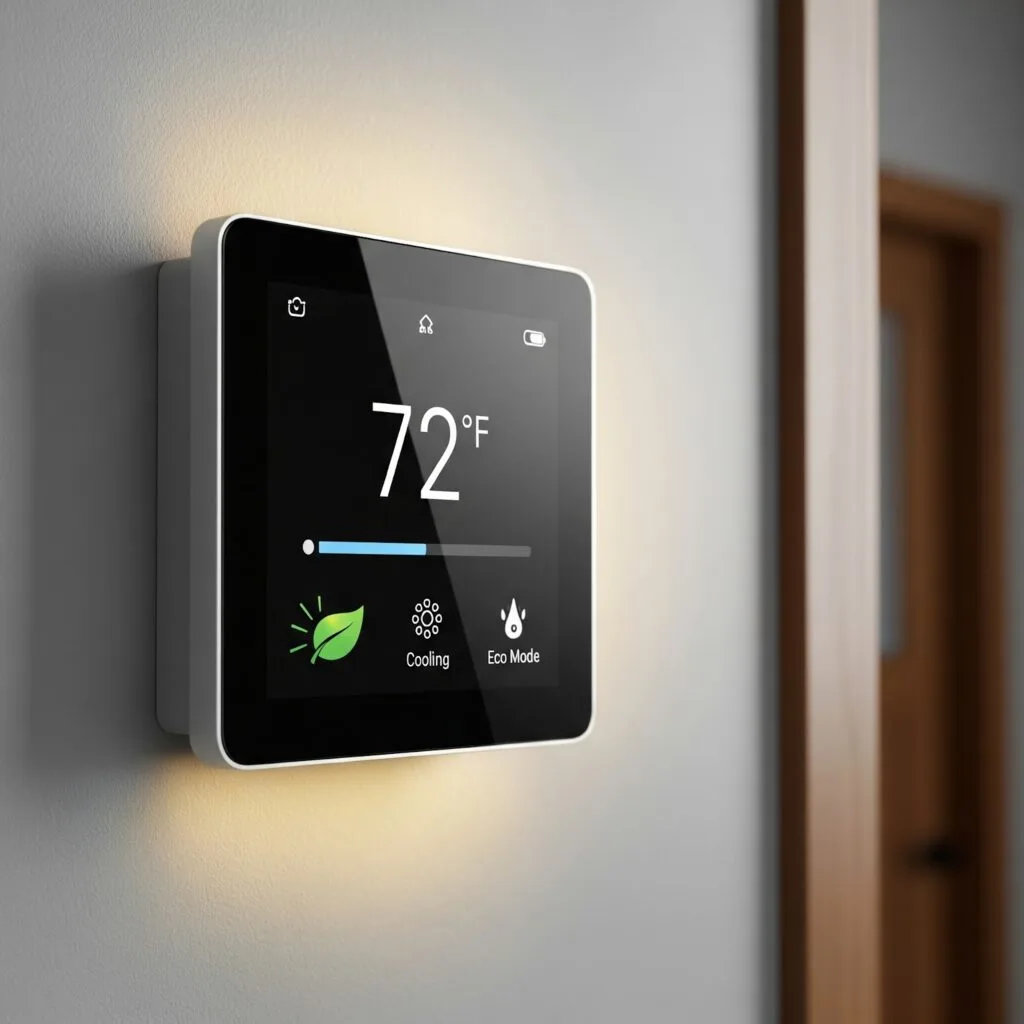
Smart thermostats are still the highest-return device in the house, cutting heating and cooling bills 10–23% per EPA estimates. Nest Learning adjusts automatically, and its Airwave feature handles Atlanta humidity by running the fan after the compressor stops. Ecobee uses remote sensors for room-by-room occupancy detection, which suits homes with big temperature swings between floors. Honeywell Home T9 does similar multi-room sensing for less. In older homes, especially historic ones, HVAC upgrades often go hand in hand with the rest of the work, and our guide to historic home remodeling in Metro Atlanta covers how to update systems without stripping out the original character.
Energy management now goes past the thermostat. An Emporia Vue monitor (about $170 plus installation) clamps onto every circuit in the electrical panel and shows exactly where the kilowatt-hours go; it usually finds one or two loads worth fixing, like a failing freezer or heat strips running when they should not. A SPAN smart panel ($3,500–5,000 installed) goes further, letting you control circuits individually and prioritize them on battery backup.
During construction, the energy rough-ins matter more than the gadgets. A 240V/50A run to the garage for EV charging costs a few hundred dollars now versus $1,200–2,500 through finished walls, and a dedicated circuit sets up a heat pump water heater later. Our energy efficiency cost calculator puts numbers on the bigger upgrades, and we cover the building-envelope side in our guide to energy-efficient home upgrades.
Lighting & automated controls
Lutron Caséta is the industry standard. It runs on Lutron’s dedicated wireless band rather than Wi-Fi, so switches respond instantly no matter how congested the network is, and it works with nearly every bulb type. Lutron RadioRA 3 adds whole-home scenes, motorized shades, and keypads ($8,000–15,000 typical). Philips Hue covers color-changing lighting; Leviton Decora Smart handles basic automation with no hub.
Entertainment & whole-home audio
Sonos dominates wireless multi-room audio; we still recommend hardwiring amplifiers to ceiling speakers in the rooms that matter. Dedicated home theaters, outdoor audio, and the structured wiring panel itself all benefit from construction-phase installation, when clean wire paths are cheap and upgrades stay simple.
Smart kitchen appliances and the circuits they need
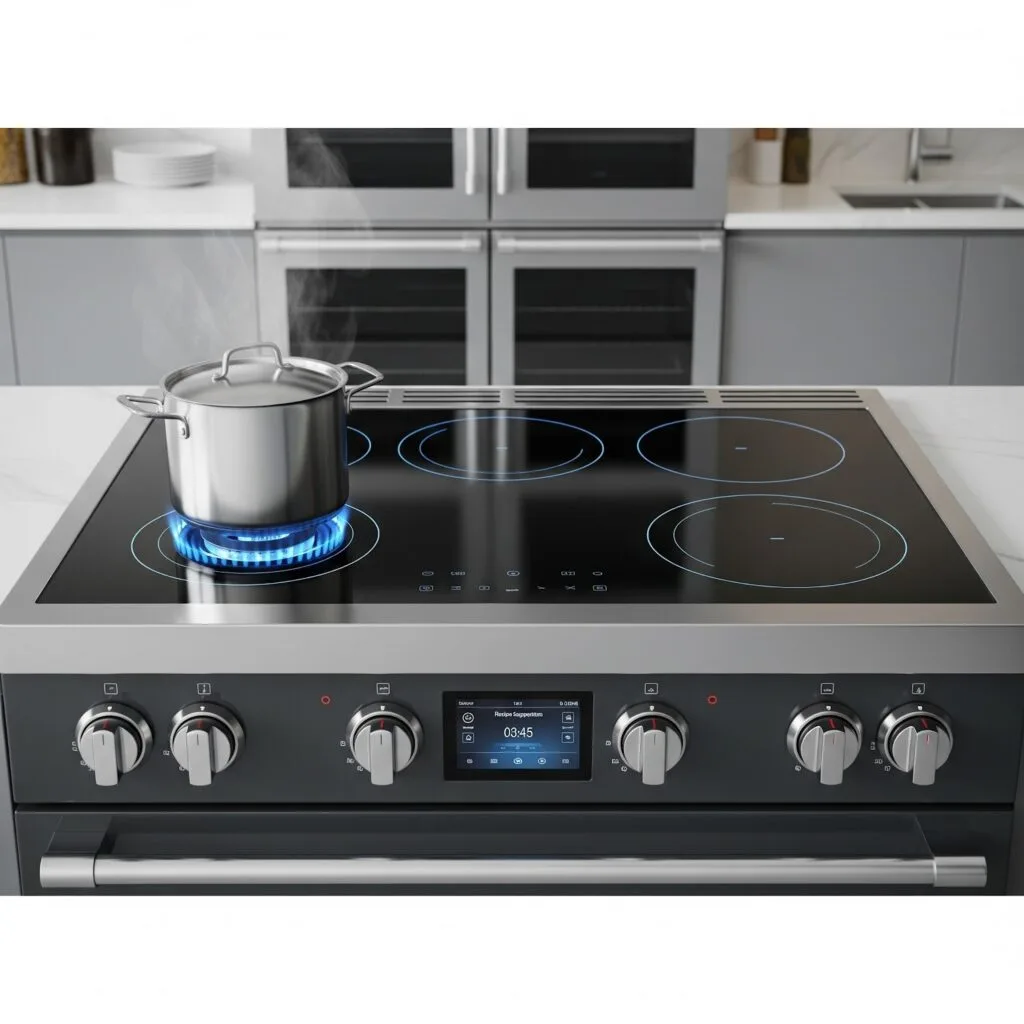
Smart ranges (GE Café, Samsung, Bosch) can preheat remotely and send notifications; voice-controlled faucets (Moen, Delta) work hands-free; smart refrigerators add interior cameras. Requirements: smart ranges need dedicated 240V/50A circuits, refrigerators dedicated 120V/20A circuits, and voice faucets GFCI-protected outlets positioned away from spray.
Smart home pre-wiring in Atlanta & north Georgia
We are a custom home builder based in Woodstock, and pre-wiring is part of every set of plans we build, from Woodstock and Canton up through Alpharetta, Milton, and Sandy Springs. We also handle smart home wiring as part of larger remodels and additions across the north Atlanta metro, which is where retrofit projects make the most financial sense.
The decisions made during construction affect comfort and cost for decades. We offer free consultations that review your plans, priorities, and preliminary budget before framing starts. Schedule a consultation and bring your floor plan.
Frequently asked questions
Can I install smart devices myself, or do I need a professional?
Basic bulbs and plugs are DIY, but whole-home systems require professional installation. Pre-wiring for cameras, in-wall speakers, motorized shades, and structured wiring demands low-voltage expertise and is nearly impossible to correct after walls close.
How much does it cost to fully automate a home?
A starter package (thermostat, doorbell, smart switches) runs $2,000–4,000 installed. Whole-home lighting and audio typically lands between $12,000 and $25,000, and a fully integrated Control4, Savant, or Crestron home runs $25,000–75,000+. Pre-wiring during construction is the cheapest part of any of these, at $2,500–6,000 for a full structured wiring package.
What’s the best smart home system for a new construction home?
For most new builds: Lutron for lighting, Ecobee or Nest for climate, and hardwired PoE cameras, each running in its own app. If you want everything in one app with a single installer accountable for it, Control4 offers the best value and Savant the best interface. Prioritize the pre-wiring either way; systems can be swapped later, wiring cannot.
What smart home features come standard in new construction homes?
Most production builders include a smart thermostat, a video doorbell, and a smart garage door opener. Structured wiring, ceiling speakers, PoE cameras, and shade wiring are usually upgrade packages, and they are worth ordering before drywall even if the devices come later. Custom builds specify all of it up front.
How long do smart home systems last?
Lutron lighting lasts 15–20 years; cameras and locks 5–7 years; thermostats 8–10 years; networking equipment updates every 4–6 years; structured wiring 20+ years.
Will my smart home stop working if the internet goes down?
Local-hub lighting (Lutron, Leviton) works normally; thermostats keep schedules and manual control; hardwired cameras keep recording locally. Cloud-dependent monitoring, mobile apps, and doorbell notifications require internet.
Do these work with Alexa and Google Home?
Most modern devices integrate with major platforms. Ring, Ecobee, Philips Hue, and Sonos offer native Alexa integration; Nest offers the deepest Google Home integration; Lutron works with both.
Planning a project?
Skip the guesswork, get real numbers.
Reading is great. A clear, itemized estimate is better. Tell us what you have in mind.