 Est. 2003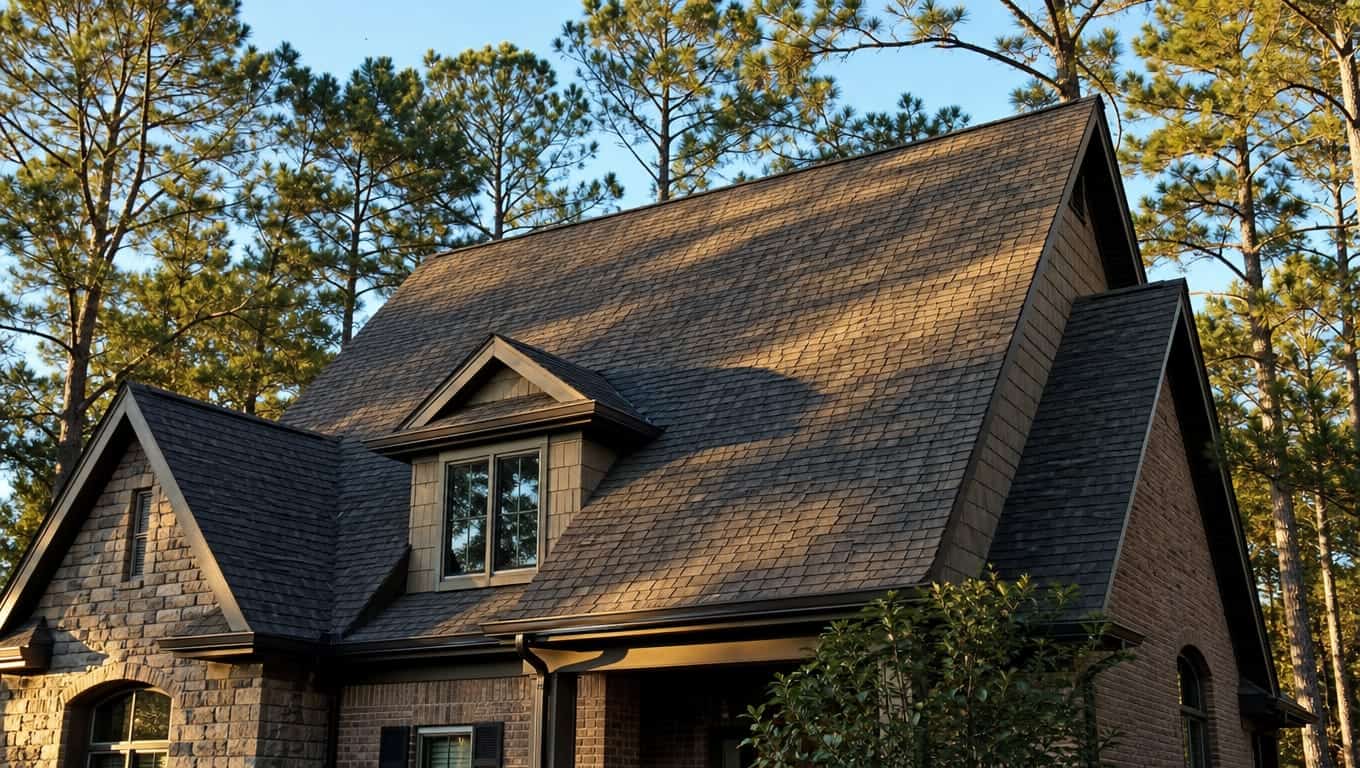
Best Roofing Materials for Georgia Homes

Georgia's climate doesn't forgive a poor material choice the way milder states might. A roof that performs adequately in the Pacific Northwest can fail years ahead of schedule here, worn down by UV and humidity and battered by hail that tracks regularly through Cherokee and Cobb counties. If you're replacing a roof in Woodstock, Canton, Marietta, Roswell, Alpharetta, or Milton, the roofing material you choose matters more than almost anywhere else in the country.
This guide compares the best roofing materials for Georgia homes: how each performs in actual North Georgia conditions, what each costs relative to the others, how long each realistically lasts, and two factors most homeowners overlook before signing a contract. If your project also includes the walls, our guide to exterior siding options for Georgia homes walks through how vinyl, fiber cement, wood, and brick compare in this climate.
Why Georgia's Climate Complicates Roofing Material Selection
Heat, Humidity, and UV Exposure in North Georgia
Roof surface temperatures on dark asphalt in a Georgia summer routinely exceed 150°F. That sustained heat oxidizes asphalt binders and loosens granule adhesion. It also drives thermal expansion cycles that stress flashing and seams repeatedly across a season. Manufacturer warranties written for average U.S. climates often overstate real-world roof lifespan in Georgia.
Humidity compounds the problem. The North Georgia Piedmont, where Woodstock, Canton, Kennesaw, and Marietta sit, experiences prolonged high humidity through spring and fall on top of summer heat. That persistent moisture feeds the algae behind the black streaking you see on roofs throughout the region. UV exposure is relentless from April through October, and lower-grade asphalt formulations degrade faster than their rated performance suggests. Energy-efficient roofing earns its keep here on cooling bills alone.
Hail and Wind Resistance in Cherokee and Cobb Counties
Cherokee County and Cobb County fall within a documented Georgia hail corridor. According to the National Weather Service Atlanta, hail events occur frequently enough in this region that impact resistance and wind resistance should be treated as primary selection criteria, not optional upgrades. A material that scores well on longevity but carries only basic impact ratings will underperform here and may not qualify for insurance premium discounts that come with impact-rated materials.
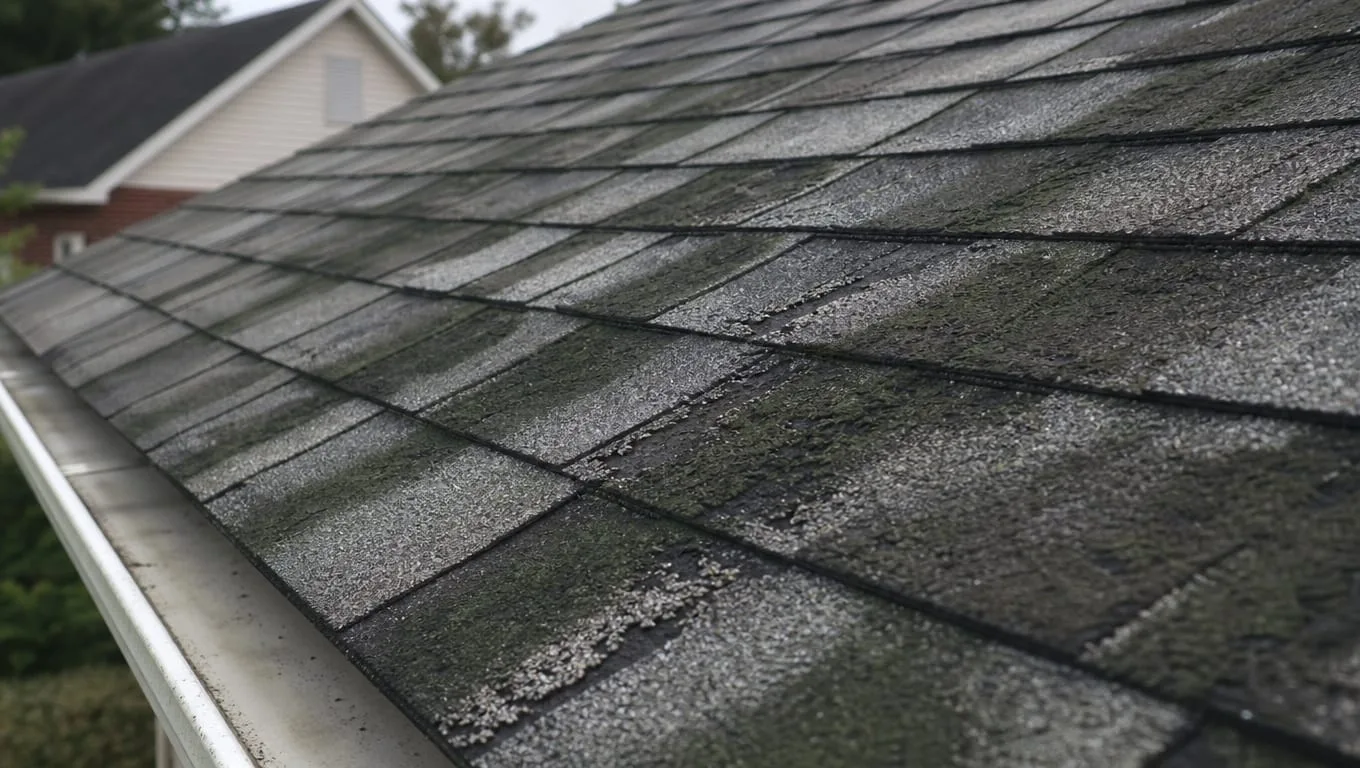
Algae and Black Streaking: Georgia's Most Common Roofing Complaint
The dark streaking on roofs across Marietta, Roswell, and Alpharetta is caused by Gloeocapsa magma, a cyanobacterium that feeds on limestone filler in standard asphalt shingles. Left untreated, active algae growth accelerates granule loss and can void manufacturer warranties. Look for the CR+ (copper granule algae-resistance) rating on shingle packaging, which indicates the product contains copper-coated granules that inhibit algae colonization. In Georgia's humidity, this modest premium is worth it.
Roofing Materials for Georgia Homes and How Each Performs
Asphalt Shingles: The Baseline Option
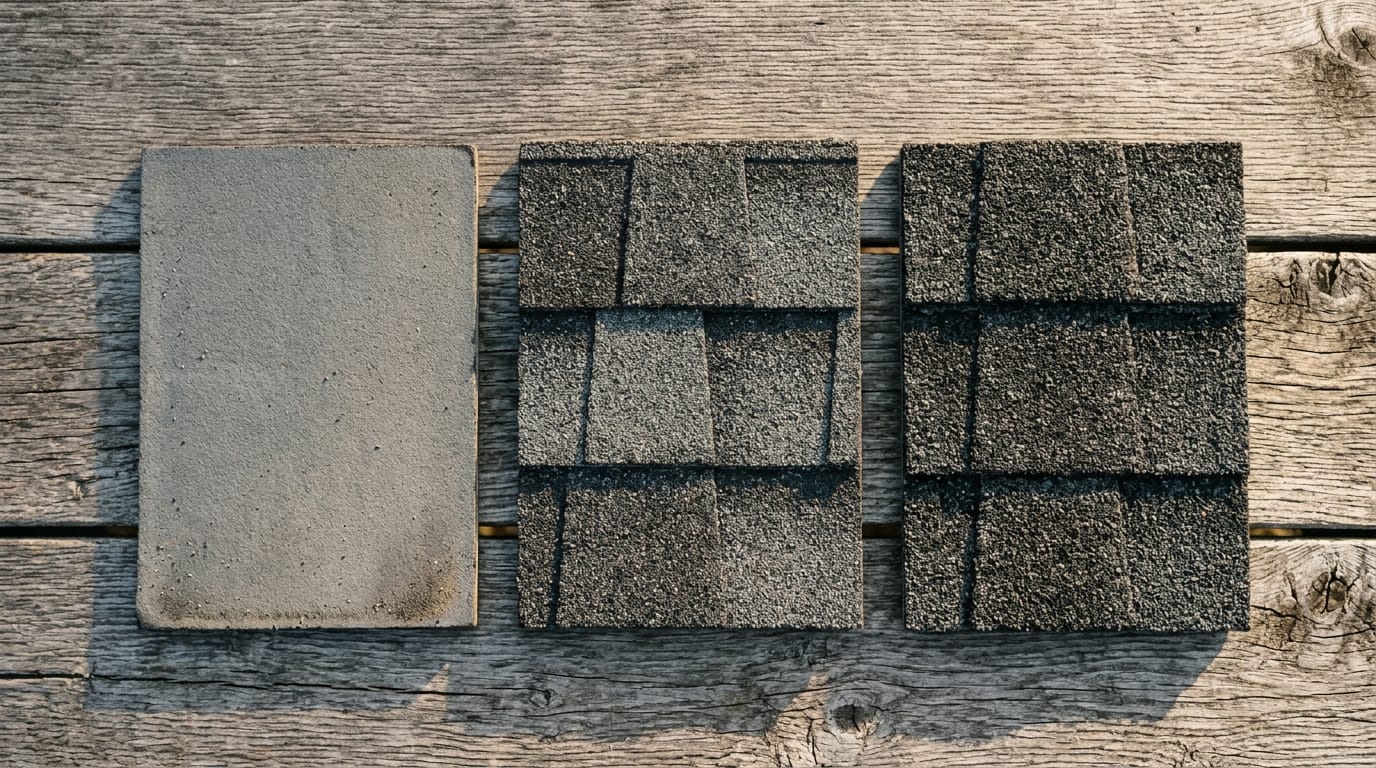
Asphalt shingles cover the majority of homes in Metro Atlanta and remain the most practical choice for most budgets. Two distinct products carry this name and perform very differently in Georgia's climate.
3-tab shingles are the flat, single-layer product common on homes built before 2000. They're lightweight and inexpensive but carry limited wind resistance and a realistic lifespan of 15 to 18 years in Georgia's climate, well short of the 25-year warranties often cited. For most roof replacements today, 3-tab shingles aren't the right starting point.
Architectural (dimensional) shingles are the current standard. Their laminated construction creates depth and texture, improves wind resistance, and extends realistic Georgia lifespan to 20 to 25 years with proper installation and attic ventilation.
Class 3 and Class 4 impact-resistant shingles are the relevant upgrade for Cherokee and Cobb County homeowners. These ratings come from the UL 2218 test standard, which simulates hail impact using steel balls dropped from defined heights. Class 4 is the highest rating available. The roofing cost per square foot premium over standard architectural shingles is modest, and the insurance and durability benefits in this region make the upgrade worth evaluating on every job. Always specify AR-rated (algae-resistant) versions when selecting impact-resistant shingles for Georgia.
Manufacturer warranties on asphalt shingles typically run 25 to 50 years, but full coverage often requires installation by a certified contractor. GAF Master Elite and Owens Corning Preferred Contractor certifications qualify you for the longest warranty tiers, so confirm your contractor's certification before signing.
- Pros: Most affordable upfront, widest product selection, easiest to repair, familiar to all contractors
- Cons: Shortest lifespan of the main options, susceptible to algae without AR treatment, requires full replacement after major storm damage
Metal Roofing: The Durability Upgrade
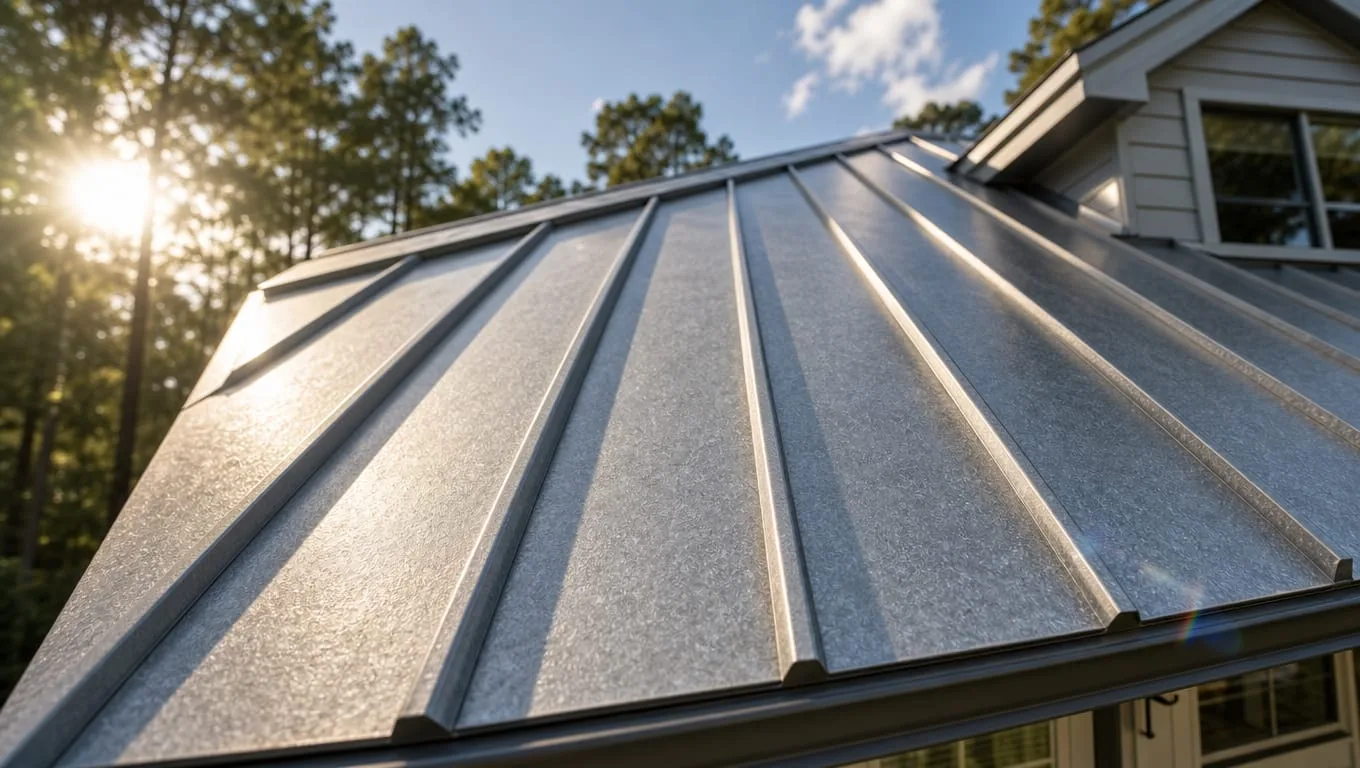
Metal roofing in the residential market means two different products: standing seam metal roofing and metal shingles.
A standing seam metal roof uses vertical panels with concealed fasteners and raised seams. The concealed attachment system handles Georgia's thermal expansion cycles far better than exposed-fastener panels, which can back out over repeated heat-cool cycles. Roof lifespan runs 40 to 70 years. The reflective surface is a cool roof: it drops attic temperatures in Georgia summers and cuts cooling loads. Most standing seam systems are Galvalume steel or aluminum. Aluminum is lighter and naturally corrosion-resistant; Galvalume steel is more rigid at comparable cost.
Coastal markets reached the same conclusion years ago. In South Florida's hurricane zone, Delray Beach roofing experts recommend standing seam for its wind uplift resistance above all else, and the concealed-fastener engineering that holds panels down through a hurricane is the same feature that shrugs off the straight-line winds riding along with North Georgia hail storms.
Metal shingles mimic the profile of asphalt, slate, or tile while keeping metal's durability. They're often an easier HOA approval in communities that restrict panel-style roofing.
The primary barrier to metal roofing is upfront cost, which runs roughly two to three times that of architectural asphalt. For homeowners planning to stay 15 or more years, the total cost of ownership often favors metal. For shorter planning horizons, high-quality impact-resistant asphalt shingles typically make more sense.
- Pros: Exceptional lifespan, superior impact and wind resistance, cool roof energy savings, minimal maintenance
- Cons: Higher upfront roofing cost per square foot, requires experienced installer, can be noisier during heavy rain without adequate insulation
Composite and Synthetic Shingles: The Middle-Ground Choice
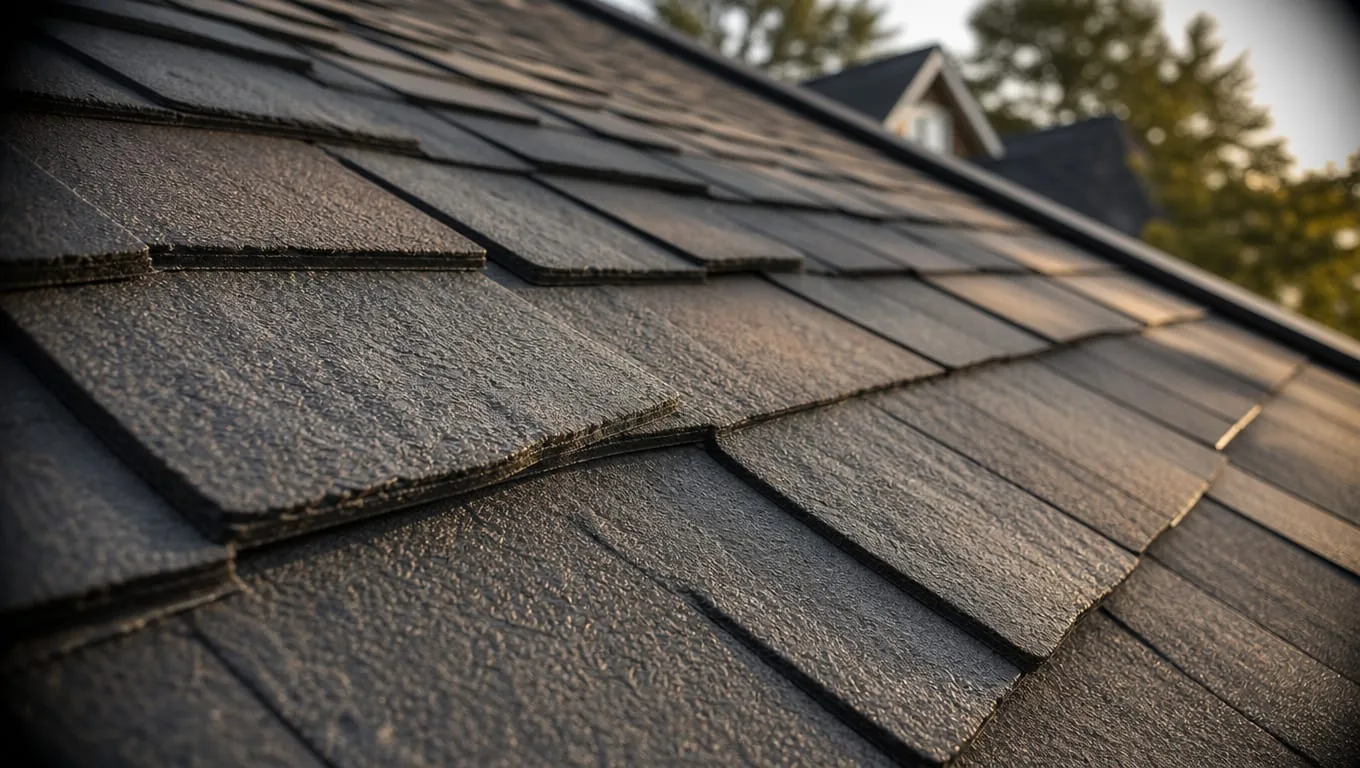
Composite shingles are manufactured from blends of fiberglass, recycled materials, and polymer resins, engineered to replicate the appearance of natural slate or cedar shakes while outperforming them on impact resistance, algae resistance, and weight. Adoption is growing in North Metro Atlanta, particularly in communities where HOA aesthetics expectations are high but tile or natural slate isn't structurally practical.
Roof lifespan claims from premium manufacturers run 40 to 50 years. Impact resistance ratings are typically Class 4. Algae resistance is built into most products. Weight is well below tile or natural slate, so most existing framing needs no reinforcement.
- Pros: Class 4 impact resistance, strong algae resistance, lighter than tile, long manufacturer warranties
- Cons: Higher roofing cost per square foot than asphalt, newer product category with variable long-term field performance by manufacturer
Clay Tile and Concrete Tile: The Premium Aesthetic
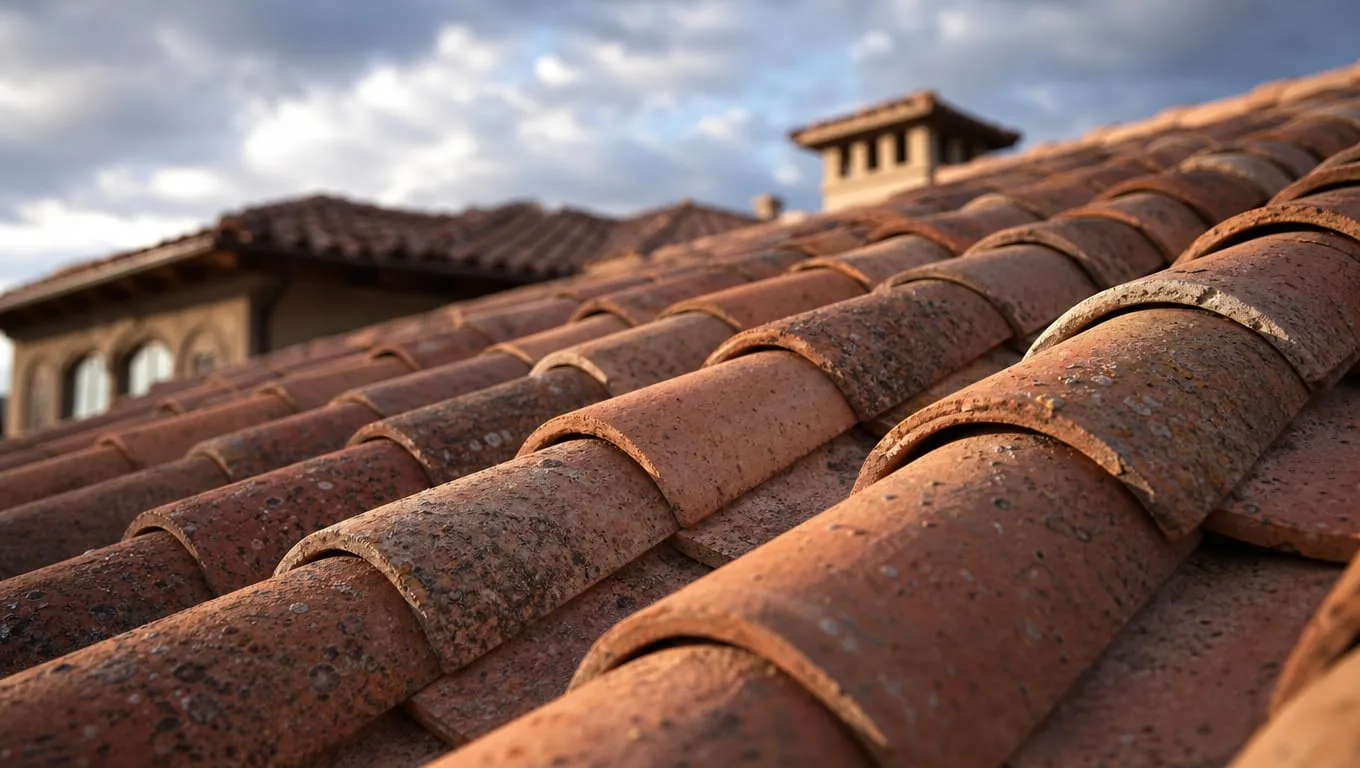
Clay and concrete tile are common in upscale neighborhoods in Alpharetta, Milton, and Roswell. Both materials handle Georgia heat well. Their thermal mass moderates temperature transfer into the attic, and they don't support algae growth the way asphalt does.
Roof lifespan on properly installed clay tile exceeds 50 years. Concrete tile runs 30 to 50 years at lower cost than clay. Weight is the deciding factor. Both materials are far heavier than asphalt or metal roofing, and a structural engineer has to evaluate the existing framing before installation on a re-roof.
Impact resistance varies by product. Standard clay tile can crack under hail. Class 4-rated concrete tile options exist and are worth specifying in Cherokee and Cobb County hail zones.
- Pros: Distinctive aesthetic, excellent thermal performance, long roof lifespan, HOA-approved in upscale communities
- Cons: Heavy (structural evaluation required), higher roofing cost, individual tiles can crack from impact, repair is difficult if matching tiles are discontinued
Slate Roofing: The Long-Term Investment
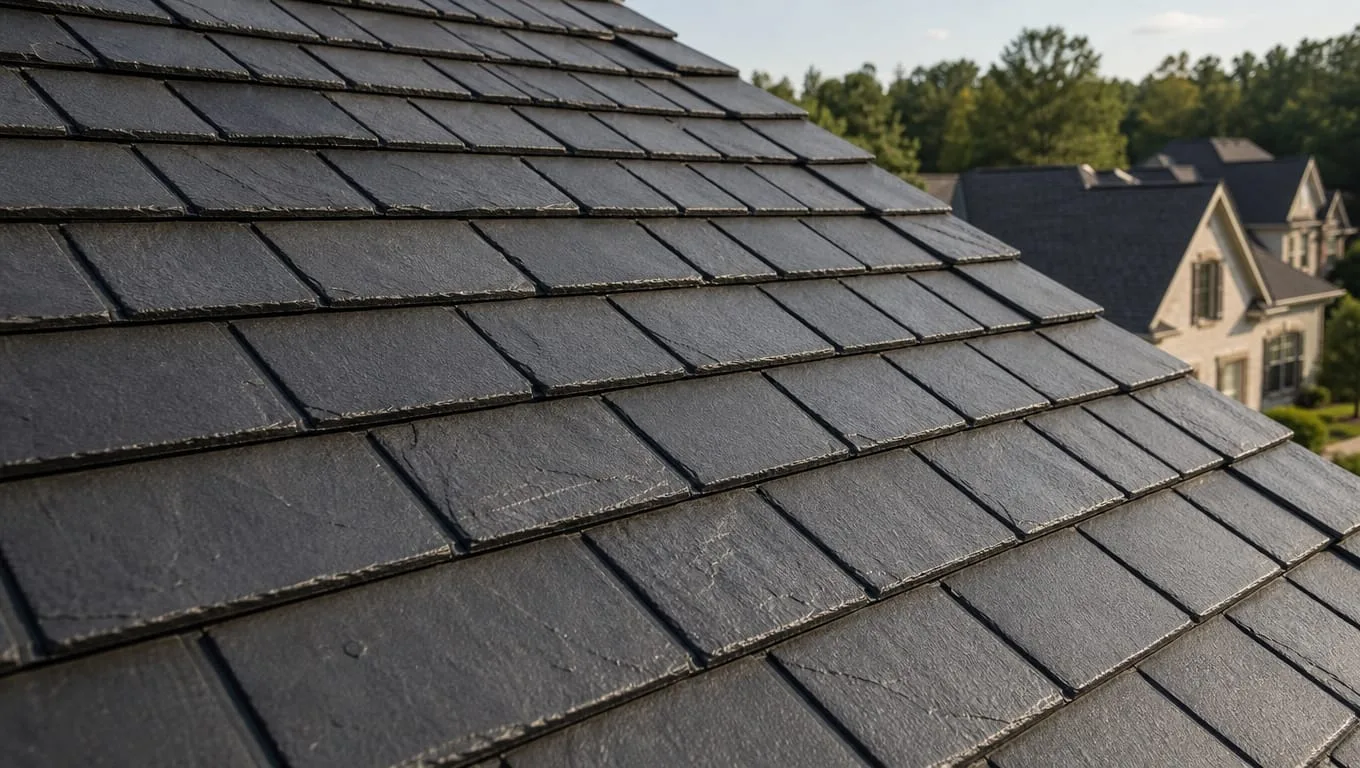
Natural slate roofing is rare on Georgia homes due to cost, weight, and the scarcity of qualified installers. Where it appears, it's typically on high-end custom homes in Milton and Alpharetta. Roof lifespan exceeds 100 years on quality slate properly installed. Structural reinforcement is almost always required.
Synthetic slate, manufactured from rubber, composite, or polymer materials, is the practical alternative for Georgia homeowners drawn to slate's aesthetic. Modern synthetic slate products are lighter than natural slate, carry Class 4 impact ratings, and satisfy the aesthetic requirements of high-end HOA communities. Quality varies widely across manufacturers, so favor those with at least 20 years in the market and documented field installations rather than warranty length alone.
- Pros: Exceptional aesthetics, long lifespan (synthetic: 40 to 50+ years), Class 4 impact resistance, lighter than natural slate
- Cons: Quality varies widely, higher roofing cost than asphalt, limited installer expertise in some markets
How Georgia's Top Roofing Materials Compare
| Material | Avg. Lifespan in GA | Impact Resistance | Algae Resistance | Relative Cost |
|---|---|---|---|---|
| 3-Tab Asphalt | 15-18 years | Low | Low (unless AR-rated) | Lowest |
| Architectural Shingles | 20-25 years | Medium-High (Class 4 option) | Medium-High (AR-rated) | Low-Medium |
| Standing Seam Metal | 40-70 years | High | High | High |
| Concrete Tile | 30-50 years | Medium-High (Class 4 option) | High | Medium-High |
| Clay Tile | 50+ years | Medium (Class 4 options exist) | High | High |
| Composite/Synthetic Shingles | 40-50 years | High (Class 4) | High | Medium-High |
| Synthetic Slate | 40-50+ years | High (Class 4) | High | High |
For Cherokee County and Cobb County homeowners, Class 4 impact-resistant architectural shingles, standing seam metal roofing, and composite/synthetic shingles lead on storm protection. All three can achieve the highest UL 2218 impact rating while remaining practical for standard residential framing.
Over a 30-year horizon, standing seam metal roofing usually has the lowest total cost of ownership: one installation versus two asphalt replacements, plus lower maintenance and the energy savings that come with a reflective cool roof. For homeowners with a shorter planning horizon, high-quality Class 4 architectural shingles give the best balance of upfront roofing cost per square foot and storm-zone performance.
Two Things Georgia Homeowners Overlook When Choosing Roofing Materials
How Your Roofing Material Choice Affects Your Homeowner's Insurance Premium
Your roofing material affects what you pay for homeowner's insurance, and most Georgia homeowners never ask about it. The link runs through the UL 2218 impact-resistance rating system. A Class 3 or Class 4 rating means the shingle passed a standardized hail impact test, and insurers including State Farm, Allstate, and Farmers discount premiums for qualifying materials.
The discount varies by insurer and policy structure, but in a hail-active market like Cherokee or Cobb County, it can offset a good share of the cost difference between standard and impact-rated shingles over several renewal cycles.
Before finalizing your roofing material selection, call your insurer and ask specifically whether they offer premium discounts for Class 3 or Class 4 UL 2218-rated roofing materials. Get the answer in writing, then keep your contractor's invoice and the manufacturer's spec sheet. Documentation matters at claims time as much as at renewal.
HOA Restrictions in Metro Atlanta: Check Before You Choose
Homeowners in Milton, Alpharetta, Roswell, and Holly Springs face a constraint that doesn't exist in most of the country: HOA approval requirements governing material type, profile, and color palette.
Established neighborhoods in these communities commonly maintain approved materials lists specifying acceptable shingle profiles, tile styles, and color ranges. A homeowner who selects a product and then discovers it requires HOA board approval will face either a delayed project or a costly change order.
Request your HOA's approved roofing materials list before evaluating any product. Most associations require a written submission including color samples, product spec sheets, and sometimes photos of installed examples. Experienced local contractors know which products are pre-approved in common North Metro associations and can handle the paperwork for you.
How to Choose the Right Roofing Material for Your Georgia Home
Two inputs narrow the field before cost, aesthetics, or lifespan enter the conversation.
First, confirm your hail risk. Homeowners in Woodstock, Canton, Kennesaw, and Marietta sit in an active hail corridor. If you're in this zone, Class 4 impact resistance should be a minimum requirement. Call your insurer at the same time; the discount discussion belongs at the beginning of your material selection process.
Second, check HOA requirements before anything else if you're in Milton, Alpharetta, Roswell, or Holly Springs. These two inputs together will narrow your practical options and focus your contractor conversations on materials that will actually work for your situation.
A homeowner planning to stay 20 or more years should weight durability heavily. Installing a standing seam metal roof or high-quality composite shingles at a higher upfront cost per square foot often results in lower total expenditure over that period than replacing asphalt twice. A homeowner preparing to sell within five years faces a different calculation; curb appeal and recognized material categories matter more to buyers than lifespan projections they won't personally benefit from.
Three questions worth asking any roofing contractor before signing:
- Does this material carry a Class 3 or Class 4 UL 2218 impact-resistance rating? Any contractor working in Cherokee or Cobb County should answer this without hesitation.
- What manufacturer warranty comes with this product, and are you certified to offer the full warranty term? GAF Master Elite and Owens Corning Preferred Contractor certifications indicate the contractor has met manufacturer installation standards.
- Can you provide references from projects in my neighborhood or HOA community? A contractor who has been through the Alpharetta or Milton approval process before knows what documentation is required.
For homeowners planning broader exterior work, including custom home builds in North Georgia where roofing decisions tie into the full architectural design, picking materials early keeps the roof consistent with the structural plan and the look you're after.
Frequently Asked Questions About Roofing Materials for Georgia Homes
What is the best roofing material for Georgia's heat and humidity?
Architectural shingles with algae-resistant (AR) granules are the most practical choice for most Georgia homeowners. They handle heat reasonably well, resist the black streaking caused by Piedmont humidity, and cost far less than metal or tile. For homeowners prioritizing longevity and minimal maintenance, standing seam metal roofing outperforms asphalt in every weather category relevant to Georgia's climate. The best choice depends on budget, how long you plan to stay, and HOA restrictions.
Does a Class 4 impact-resistant roof lower homeowner's insurance in Georgia?
In many cases, yes. Major Georgia insurers recognize Class 4 UL 2218 impact-resistance ratings and discount premiums for qualifying materials. Call your insurer before finalizing your roofing material selection and ask specifically about discounts for Class 3 and Class 4-rated roofing. Get the answer in writing, and retain your contractor's invoice and manufacturer spec sheet for documentation at claims time.
How long does an asphalt shingle roof actually last in Georgia's climate?
Manufacturer warranties on architectural shingles often claim 30 years, but Georgia's UV intensity, heat, and humidity typically produce real-world lifespans of 20 to 25 years. Standard 3-tab shingles fare worse, often 15 to 18 years in this climate. Impact-resistant architectural shingles from reputable manufacturers, properly installed with adequate attic ventilation, are the most reliable way to approach the higher end of that range.
Is metal roofing worth the extra cost in Georgia?
For most homeowners planning to stay 15 or more years, yes. A standing seam metal roof lasts 40 to 70 years, reflects enough heat to cut summer cooling costs, and stands up to Cherokee and Cobb County hail and wind. Homeowners with shorter planning horizons or tight upfront budgets are typically better served by high-quality Class 4-rated architectural asphalt shingles.
Do HOAs in Alpharetta, Milton, and Roswell restrict roofing material choices?
Many do. Established neighborhoods in these areas maintain specific guidelines around material type, profile, and color palette. The most commonly approved roofing materials in high-HOA North Metro communities are architectural shingles in earth tones, concrete tile, and synthetic slate in approved profiles. Always request the approved materials list from your HOA before selecting a product, and choose a contractor experienced in submitting HOA approval documentation.
How do I know if my roof framing can support tile or slate roofing?
You need a structural engineer's evaluation before installing clay tile, concrete tile, or natural slate on an existing home. These materials are far heavier than asphalt or metal roofing. Clay tile can weigh three to four times more per square foot than architectural shingles. A qualified contractor won't quote tile installation on a re-roof without first confirming the framing can support the load. Homeowners researching custom home costs in the Atlanta area will find that structural framing for heavy roofing materials is a line item that swings widely by city and lot conditions.
Planning a project?
Skip the guesswork, get real numbers.
Reading is great. A clear, itemized estimate is better. Tell us what you have in mind.