 Est. 2003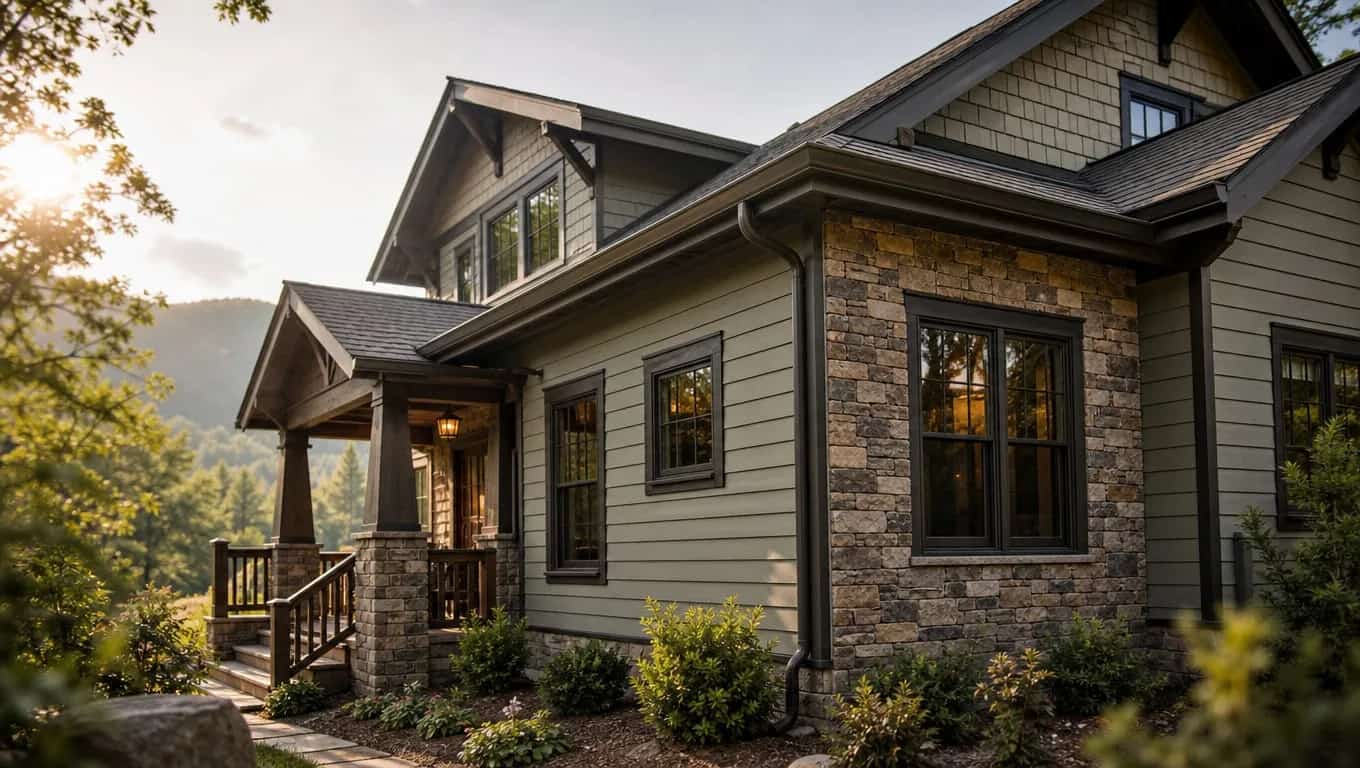
Exterior Siding Options: A Complete Guide for North Georgia Homeowners

Every siding decision involves real trade-offs between cost, durability, aesthetics, and maintenance, and those trade-offs look different in Georgia than they do in national guides written for homeowners in Seattle or Boston. Georgia's heat, humidity, UV intensity, and storm season all change which exterior siding materials perform well and which cause regret ten years down the road.
This guide covers the major exterior siding options with honest pros, cons, and Atlanta-area context so you can evaluate your choices clearly. If you're replacing aging siding on a Woodstock craftsman, or picking home exterior cladding for new construction in North Georgia, the goal is to give you the information you'd want from a knowledgeable friend in the trade.
Why Your Exterior Siding Choice Matters More Than You Think
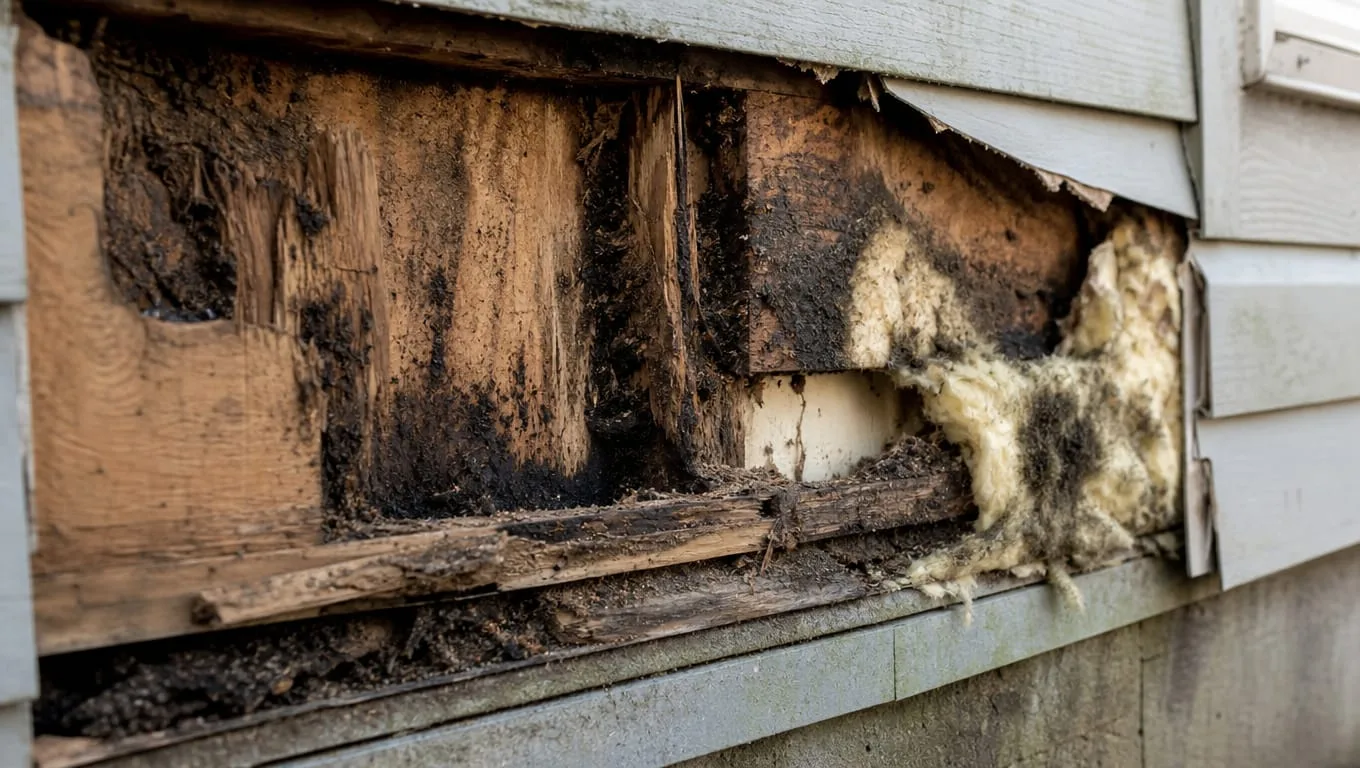
Siding does four jobs at once. It's the primary weather barrier for your home's structural frame, a component of your thermal envelope, a driver of curb appeal and resale value, and your first line of defense against moisture intrusion. When exterior siding fails through rot, warping, or cracking, all those functions deteriorate together.
A failed siding system lets bulk water and vapor into the wall cavity. Sheathing rot follows, then insulation loss, then mold in the framing. In Georgia's climate, that sequence moves faster than most homeowners expect.
Georgia's Piedmont and foothills region, including Cherokee, Cobb, and Fulton counties, sits in USDA Hardiness Zones 7b to 8a. Average summer humidity runs between 70 and 75 percent. Temperatures regularly exceed 90°F for extended stretches. UV intensity is high, and storm season from roughly April through September brings hail and high winds with real frequency.
That combination rules out some exterior siding materials for most homeowners and elevates others to clear front-runners. National guides that recommend natural wood siding without mentioning Georgia's humidity, or that suggest stucco without addressing moisture management, are giving you information that was never calibrated for your climate.
The 8 Main Types of Exterior Siding Materials
Vinyl Siding
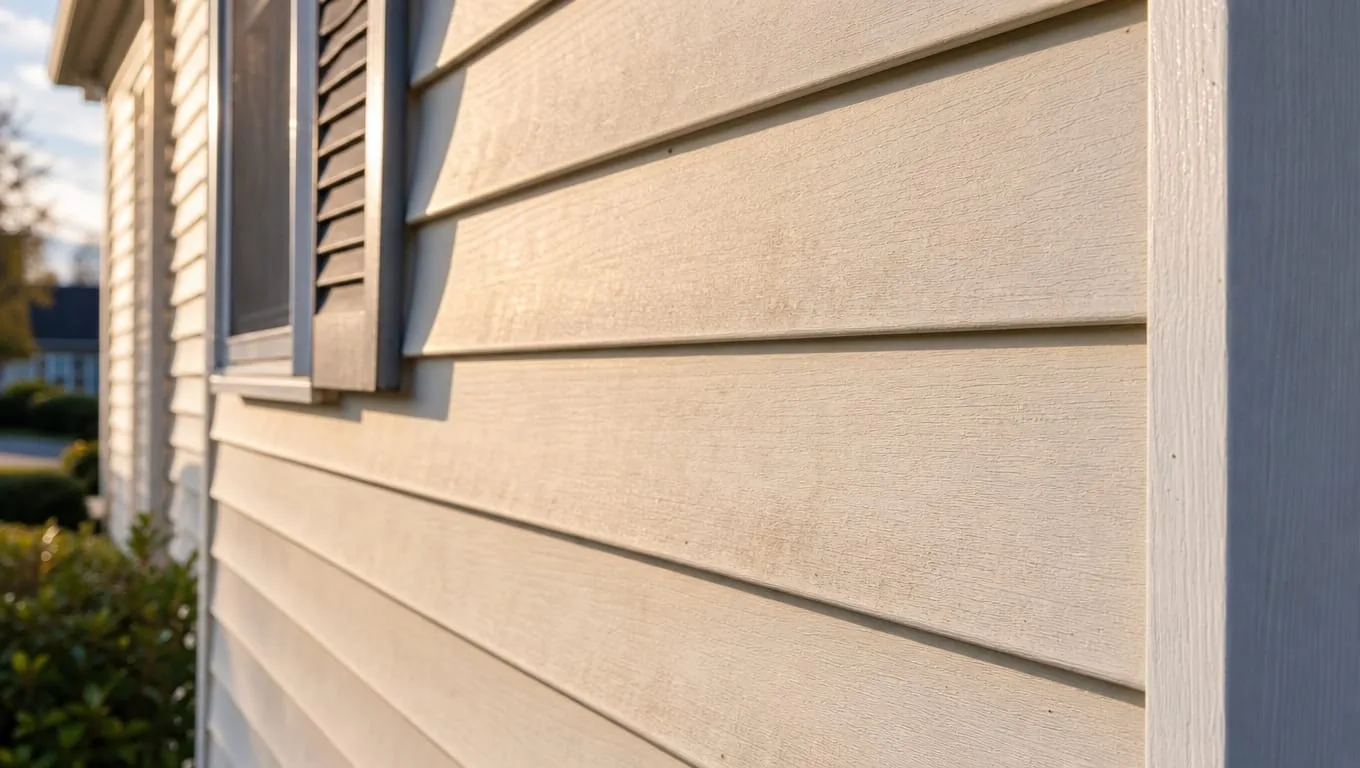
Vinyl siding is the most widely installed exterior siding material in the United States and remains common across North Atlanta's suburban stock, particularly on homes built between the 1980s and early 2000s.
Pros: Lowest installed cost of any major siding option; no painting required; resistant to rot and insects; wide range of profiles and colors.
Cons: Lower-grade profiles warp, fade, and crack in Georgia's heat, particularly on south- and west-facing walls; susceptible to hail damage; faded panels must be replaced since the material can't be repainted; some HOAs in higher-end North Atlanta communities restrict or prohibit it.
Lifespan: 20-40 years depending on profile quality and installation. Maintenance: Low. Best fit: Budget-conscious homeowners; rental properties; homes where upfront cost is the primary constraint.
Insulated vinyl bonds a foam backer directly to the panel, improving both rigidity and thermal performance. Look for products with an R-value of at least R-2.5 for the continuous insulation layer and confirm the PVC formulation carries a UV inhibitor rating. This spec varies widely between commodity and premium products and directly affects color retention on south-facing walls.
Fiber Cement Siding
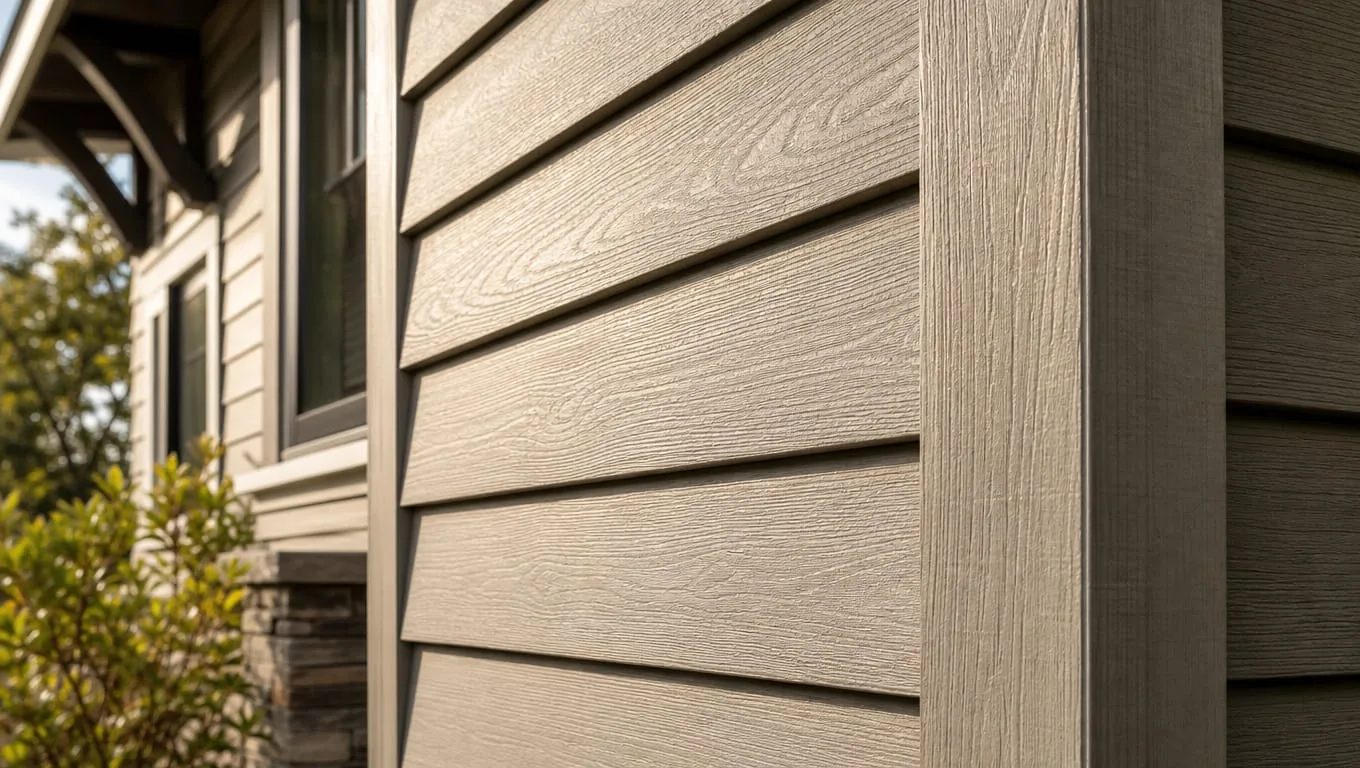
Fiber cement siding has become the dominant premium exterior siding choice across North Atlanta's newer construction and higher-end renovation market. It's a composite of cement, sand, and cellulose fibers that resists moisture, rot, insects, and fire.
Hardie board siding (James Hardie HardiePlank) is the most recognized brand and most commonly specified product in Cherokee and Cobb County projects. James Hardie's ColorPlus factory finish carries a 15-year fade warranty and a 30-year non-prorated product warranty. Other manufacturers including LP SmartSide and Allura offer fiber cement and fiber-composite products worth evaluating based on your installer's certification and project requirements.
Pros: Excellent moisture and humidity resistance; holds up better than vinyl siding in hail events with Class 4 impact rating available on select profiles; can be painted any color; mimics the look of natural wood lap siding convincingly; near-universally HOA-approved in North Atlanta planned communities.
Cons: Costs 50-80% more installed than vinyl siding; heavier than vinyl or engineered wood; requires repainting every 15-20 years; must be installed by experienced crews since improper butt-joint sealing is the most common failure point.
Lifespan: 30-50 years. Maintenance: Low to medium. Best fit: Homeowners planning to stay 10+ years; HOA-governed communities; craftsman, traditional, and transitional home styles.
Wood Siding
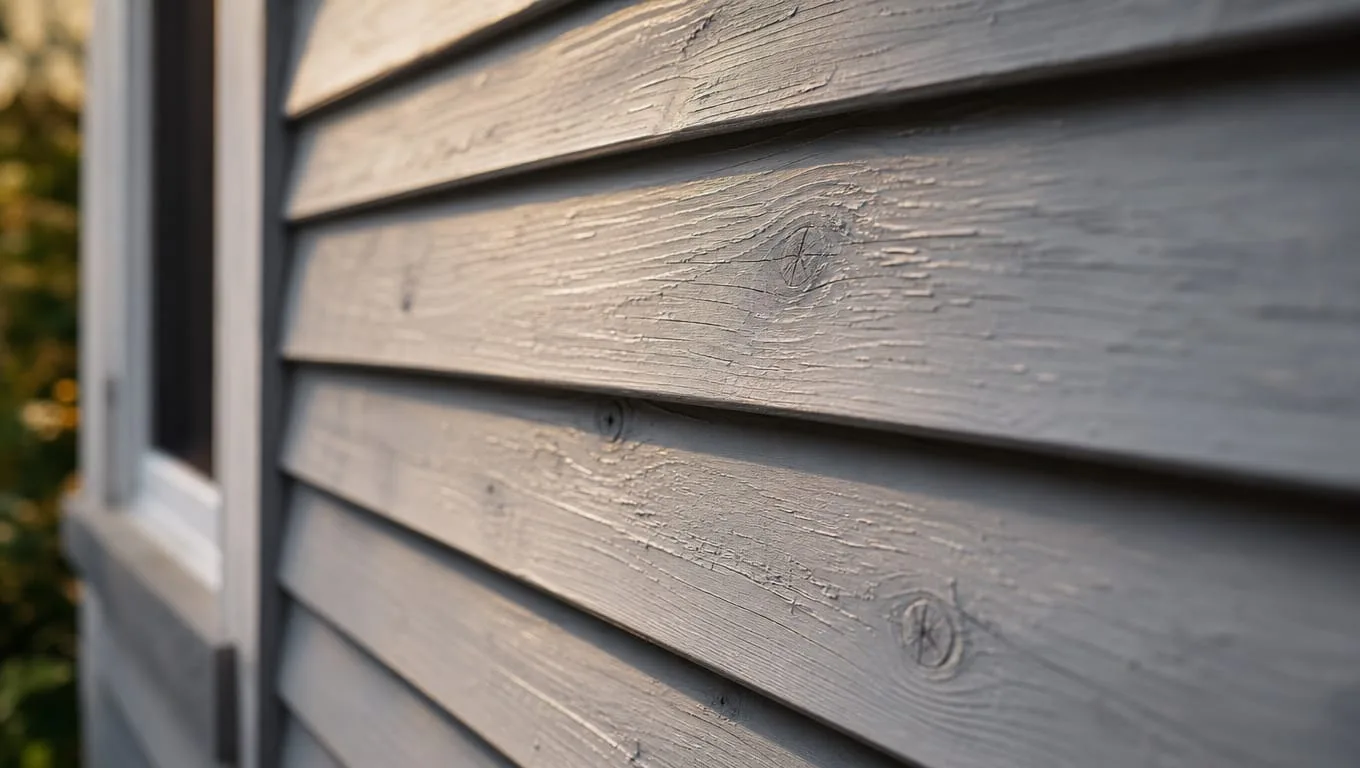
Natural wood siding, whether cedar lap, tongue-and-groove, board-and-batten, or shingles, remains the most visually distinctive option. On the right home, nothing else quite matches it.
Pros: Unmatched natural aesthetic; can be stained, painted, or left to weather naturally; easier to cut and repair than fiber cement siding; adds character that synthetic exterior siding materials approximate but don't replicate.
Cons: Requires repainting or re-staining every 5-7 years in Georgia's humid climate, often sooner on north-facing walls; susceptible to rot, mold, and insect damage without consistent maintenance; higher material and installation cost than vinyl or engineered wood; many HOAs in newer planned communities no longer accept natural wood for new installations.
Lifespan: 20-40 years with consistent maintenance; far less without it. Maintenance: High. Best fit: Custom homes where aesthetics are paramount; homeowners who genuinely commit to maintenance schedules; historic renovation and rural properties.
Wood siding in Georgia requires a minimum 6-inch clearance from grade, a continuous vapor-permeable housewrap, and ideally a 3/8-inch rainscreen gap behind the cladding to allow drainage and drying. Skipping the rainscreen gap on a north-facing wall is one of the most common causes of premature rot in Atlanta-area wood siding installations.
Engineered Wood Siding
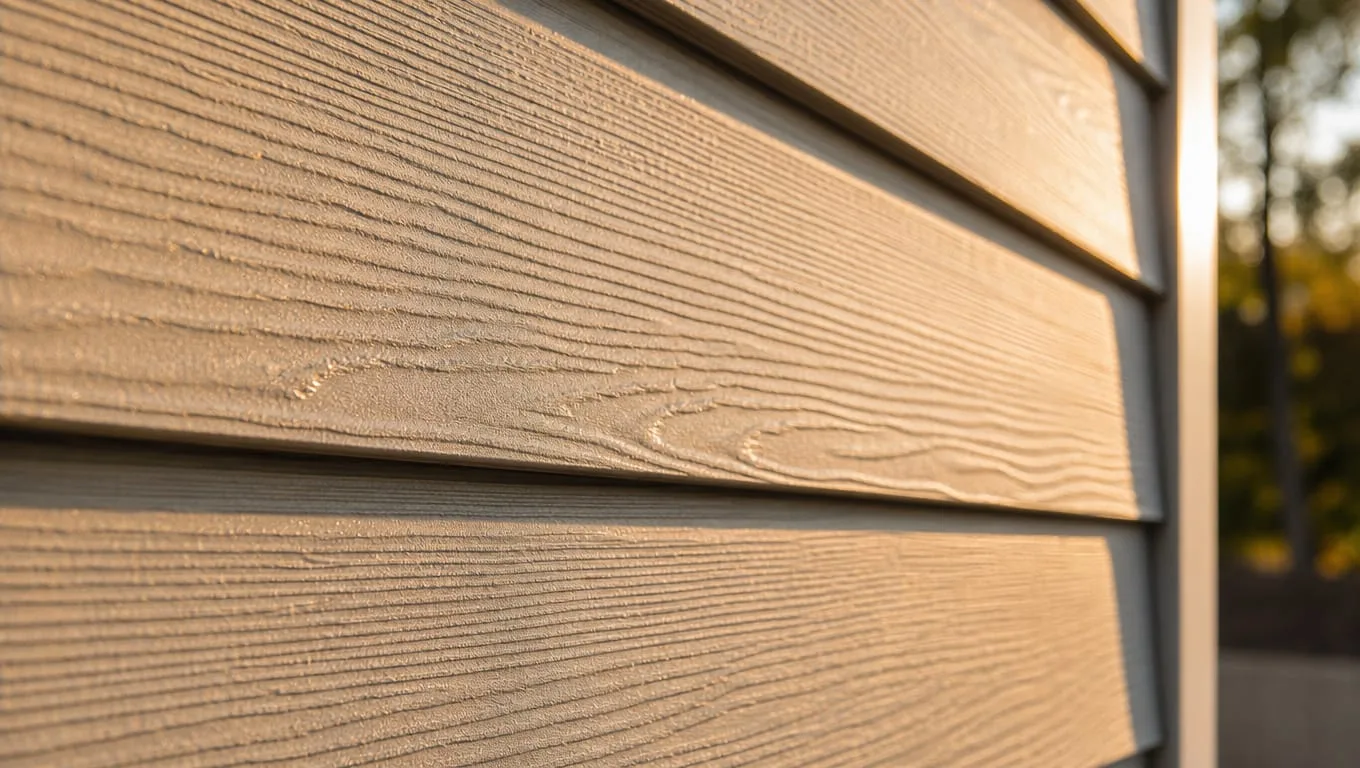
Engineered wood siding, most notably LP SmartSide, is a wood-strand composite with a factory-applied resin and primer coat. LP SmartSide carries a 50-year limited warranty and a SmartGuard process that treats the core against fungal decay and termites, directly addressing the two most common failure modes for organic exterior siding materials in Georgia.
Pros: Lower siding installation cost than fiber cement or natural wood; better impact resistance than vinyl; accepts paint well; lighter than fiber cement, reducing installation labor.
Cons: Factory finish requires repainting every 10-15 years in Georgia's climate; less proven longevity than fiber cement in sustained high-humidity environments; some HOAs in North Atlanta's upscale communities view it as a step below hardie board siding; susceptible to moisture intrusion if field cuts aren't properly sealed.
Lifespan: 20-30 years. Maintenance: Low to medium. Best fit: Mid-range renovations where fiber cement siding is over budget; homeowners who want a wood look at a lower price point.
Brick and Brick Veneer Siding
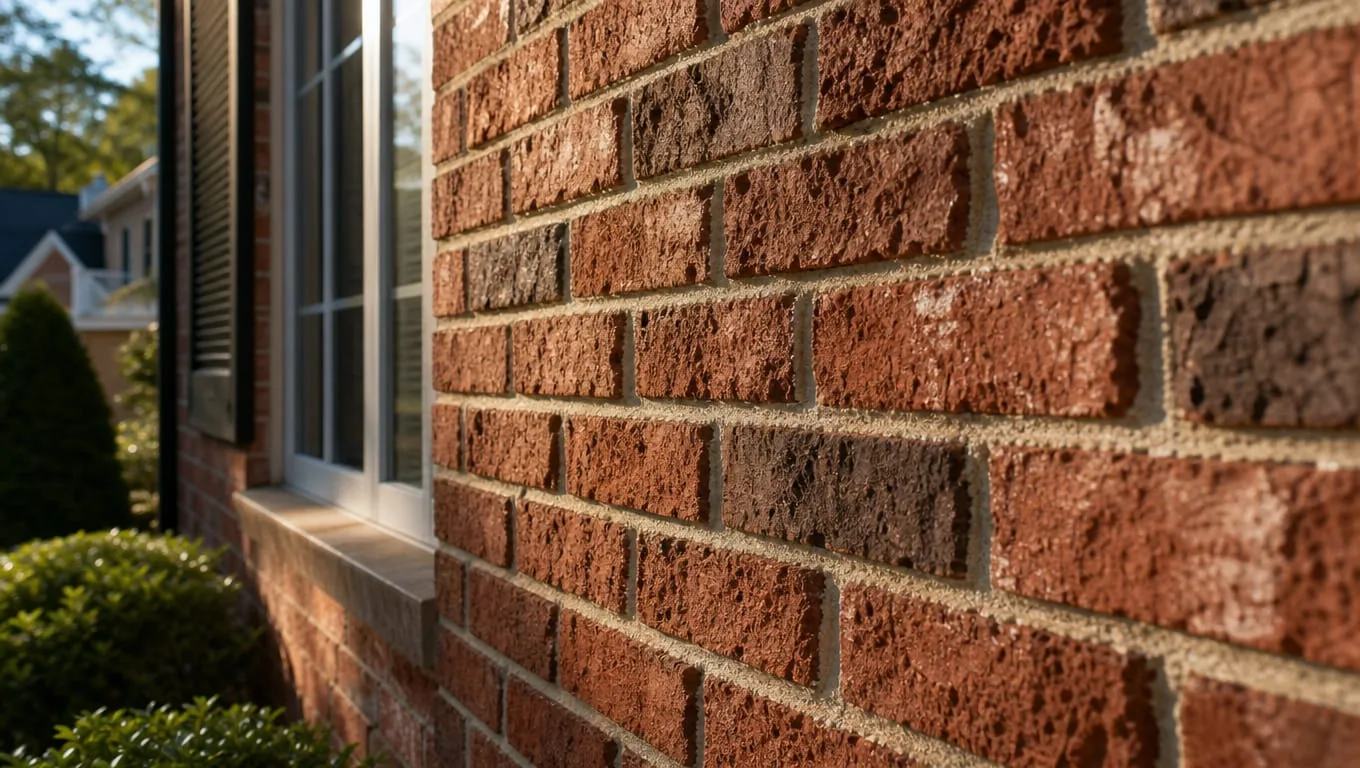
Full brick and brick veneer siding aren't the same product. Full brick uses structural masonry as the wall itself. Brick veneer, far more common in Atlanta-area residential construction, applies a single wythe of brick as cladding over a wood or steel frame. Both deliver a similar aesthetic; brick veneer costs far less to install. If you're trying to line up exterior work with a future sale, the numbers in What It Really Costs to Sell a House in Atlanta After a Major Renovation show how resale costs can eat into the return fast.
Pros: Exceptional longevity; properly installed brick veneer can last 50-100+ years; virtually zero maintenance beyond mortar inspection and tuck-pointing every 20-30 years; excellent fire resistance; universally HOA-approved in North Atlanta communities; strong resale value in Cherokee and North Fulton County markets.
Cons: High installed cost compared to most home exterior cladding options; color and texture are fixed since brick veneer siding can't be repainted easily; repairing a damaged section requires matching the original brick; adds enough weight that the substrate and foundation have to be built for it.
Lifespan: 50-100+ years. Maintenance: Very low. Best fit: Homeowners prioritizing longevity and resale value; HOA communities with traditional architectural standards; colonial and Georgian-style home exteriors.
Stone and Stone Veneer Siding
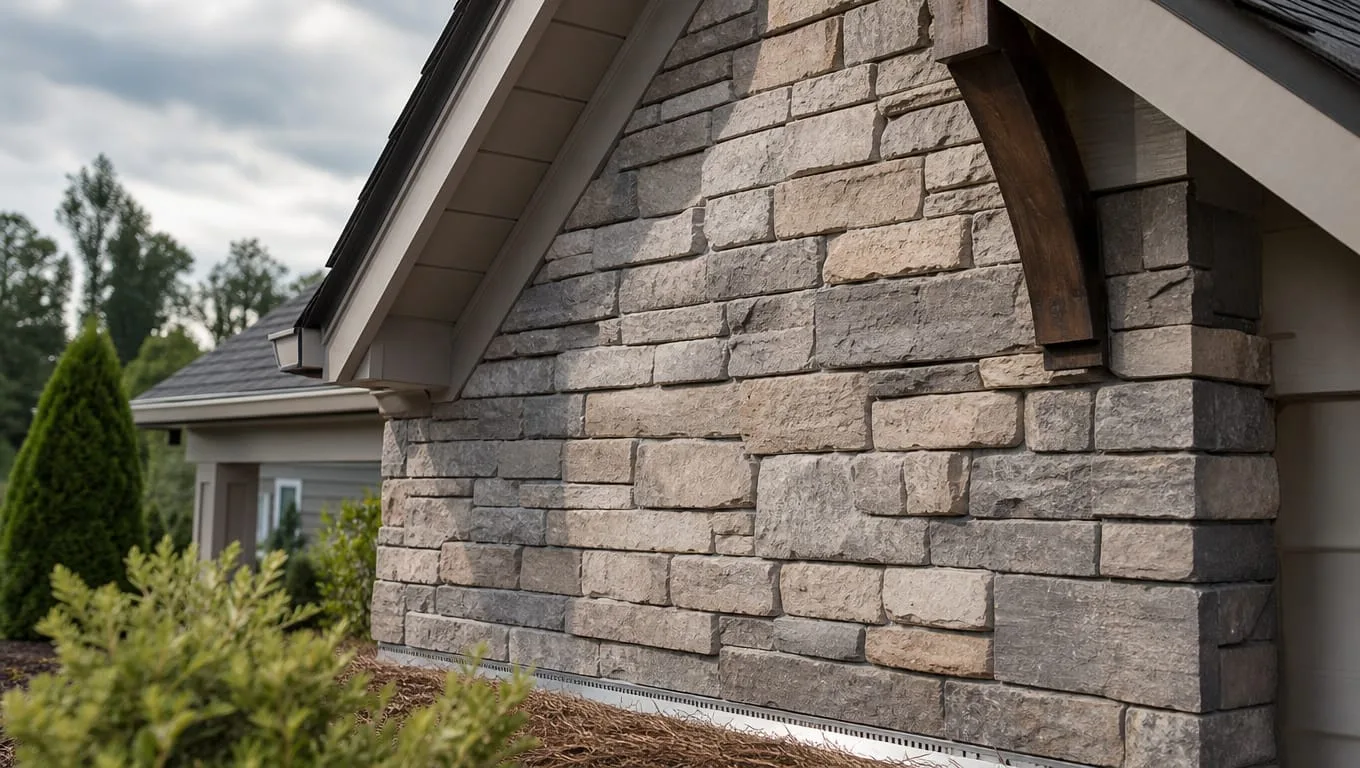
Natural stone is rare in residential exterior siding applications due to cost. Manufactured stone veneer, a lightweight concrete product molded to mimic natural stone, is used extensively across North Atlanta as an accent material on gable ends, foundation lines, and entry features, and occasionally as primary home exterior cladding.
Pros: Striking visual impact; excellent longevity when properly installed with weep screed and drainage; low maintenance once installed; HOA-approved in virtually all North Atlanta communities.
Cons: Highest installed siding cost of any exterior category; poor installation, particularly missing weep screeds and improper flashing, leads to moisture intrusion that's expensive to diagnose and repair; manufactured stone veneer varies considerably in quality; typically used as an accent rather than whole-house cladding.
Lifespan: 50+ years with proper installation. Maintenance: Low. Best fit: Accent applications on traditional and craftsman homes; mixed-material exteriors combining stone veneer with fiber cement siding or brick; luxury new construction.
The Masonry Veneer Manufacturers Association (MVMA) installation guidelines require a drainage mat, metal lath with a minimum 3.4 lb/sq yd weight, and weep screed at the base of every installation. Treat all three as baseline requirements. Stone veneer siding needs them to manage Georgia's moisture load without failing within 10 years.
Stucco Exterior Finish
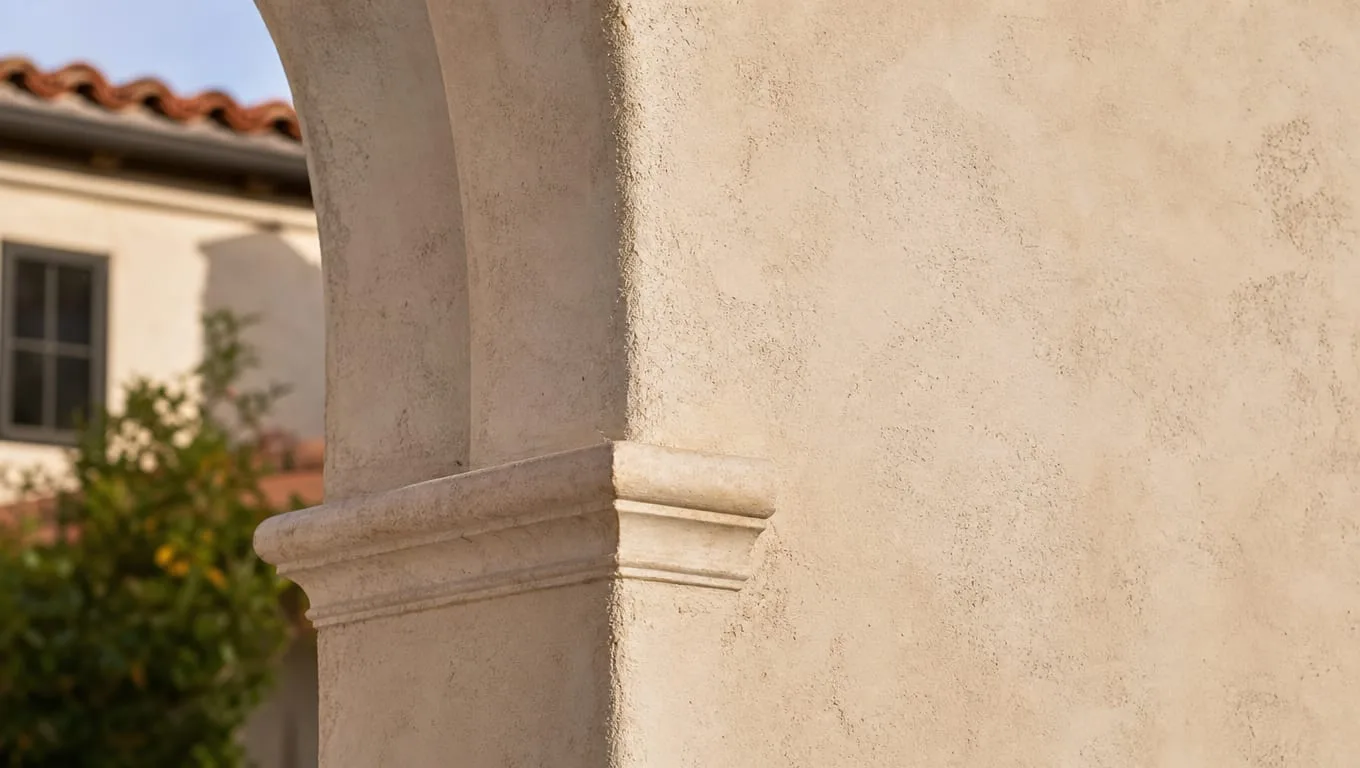
Stucco is a cement, sand, and lime finish applied in two or three coats over metal lath and a weather-resistant barrier. This exterior finish is common in Mediterranean, Spanish Revival, and contemporary home styles and shows up throughout older Atlanta neighborhoods.
Pros: Jointless, distinctive appearance with strong design flexibility; hard and durable when properly installed and maintained; good fire resistance; can be painted any color.
Cons: Requires skilled installation since improper application or flashing details lead to bulk water intrusion, the most common stucco failure mode in Georgia; cracks over time due to thermal expansion and requires prompt caulking; synthetic EIFS (Exterior Insulation Finish System), common on 1990s Atlanta construction, has a particularly poor moisture management record and has been the subject of extensive litigation; not a strong aesthetic fit for North Atlanta's dominant craftsman and traditional home styles.
Lifespan: 20-50 years depending on installation quality and maintenance. Maintenance: Medium. Best fit: Contemporary and Mediterranean-style homes; homeowners working with an installer experienced in Georgia's humidity management requirements.
EIFS caution: If you're purchasing or renovating a home built in the Atlanta area between approximately 1985 and 2000, check whether the existing stucco exterior finish is traditional three-coat or synthetic EIFS. EIFS without a drainage plane traps water at the sheathing, a failure mode that has resulted in serious framing damage on North Atlanta homes. A moisture probe test before purchasing is worth the cost.
Metal Siding for Homes
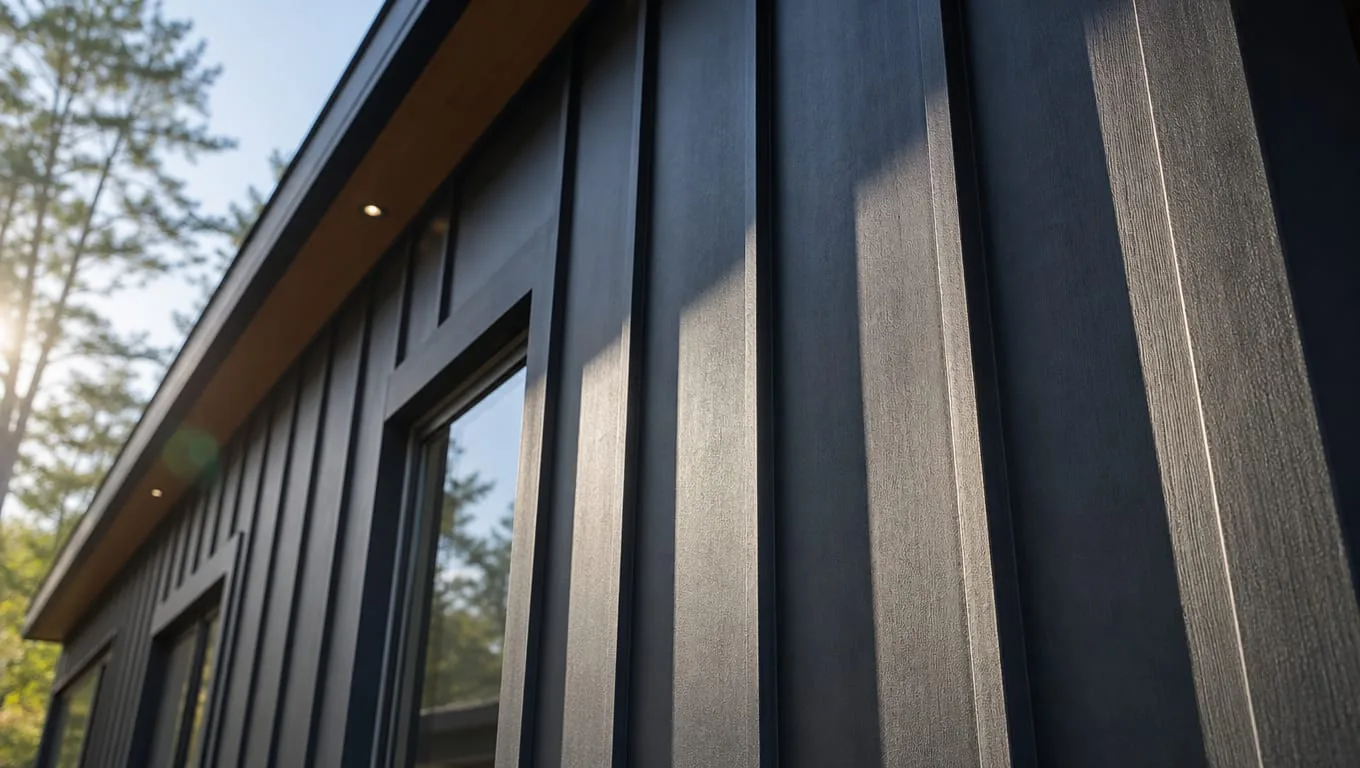
Metal siding, both standing-seam steel panels and traditional aluminum horizontal siding, has historically been associated with commercial and agricultural buildings. Contemporary metal panel systems have moved increasingly into residential applications, particularly on modern and industrial-aesthetic homes.
Pros: Excellent longevity and resistance to rot and insects; highly recyclable; modern panel profiles have genuine design appeal on contemporary home styles; resistant to fire.
Cons: Expands and contracts sharply with temperature, so installation gaps must be spec'd precisely for Georgia's temperature range; aluminum dents easily from hail impact while steel is more impact-resistant but heavier; most HOAs in North Atlanta's traditional and craftsman-heavy communities reject contemporary metal siding profiles; can be noisy in rain.
Lifespan: 30-50 years. Maintenance: Low. Best fit: Modern and industrial-aesthetic custom homes; rural properties; communities that accept contemporary profiles.
Side-by-Side Comparison
| Material | Lifespan | Maintenance | Humidity Performance | HOA Friendliness |
|---|---|---|---|---|
| Vinyl Siding | 20-40 yrs | Low | Moderate | Medium |
| Fiber Cement Siding | 30-50 yrs | Low-Medium | Excellent | High |
| Wood Siding | 20-40 yrs | High | Poor-Moderate | Medium |
| Engineered Wood | 20-30 yrs | Low-Medium | Good | Medium |
| Brick Veneer | 50-100+ yrs | Very Low | Excellent | High |
| Stone Veneer | 50+ yrs | Low | Excellent | High |
| Stucco Exterior Finish | 20-50 yrs | Medium | Moderate (install-dependent) | Medium |
| Metal Siding | 30-50 yrs | Low | Good | Low |
The HOA Friendliness column reflects general patterns across Cherokee, Cobb, and North Fulton County planned communities, not the policy of any specific association. Pull your CC&Rs before making assumptions.
How Georgia's Climate Affects Your Exterior Siding Decision
Heat, Humidity, and Moisture
Georgia's summer humidity, averaging 70-75% from May through September, creates sustained conditions that accelerate mold, mildew, and moisture-driven deterioration in porous or improperly sealed exterior siding materials. Natural wood siding on north-facing walls, where drying is slowest, can begin showing rot in the framing cavity within 10-15 years if vapor management behind the cladding isn't handled correctly.
Fiber cement siding and vinyl siding perform the strongest in Georgia's humidity because neither material is organic. That said, installation quality matters as much as material choice. Fiber cement siding with improperly sealed butt joints and missing flashing fails just as readily as wood. The roofline is the most common weak point: where siding meets the roof, step flashing and kickout flashing have to be coordinated between the siding crew and your roofing contractor, or water runs behind the cladding no matter how good the material is.
The moisture risk isn't only at siding level. Red clay soil common across Cherokee and Cobb counties retains water against foundation walls, creating a moisture gradient that can drive vapor upward into the bottom courses of siding. Proper vapor barrier detailing at the sill plate transition matters regardless of which exterior siding material you choose.
UV Intensity and Thermal Expansion
Extended sun exposure in Zones 7b-8a fades lower-grade vinyl siding noticeably within 8-10 years on south- and west-facing walls. If you're evaluating vinyl siding, ask specifically about UV inhibitor content in the PVC formulation. This varies a great deal between commodity and premium products.
Thermal expansion is a real installation concern for both vinyl and metal siding in Georgia's temperature range. Panels installed without adequate expansion gaps buckle during summer heat. A properly experienced installer knows the correct gap specifications for Georgia's climate, and it's a reasonable quality question to ask any contractor you're evaluating.
Storm Season and Hail Resistance
Georgia's storm season produces hail events with enough frequency that impact resistance is a legitimate siding selection criterion for durable house siding. Fiber cement siding and engineered wood outperform standard vinyl siding in impact resistance. Class 3 and Class 4 impact ratings are available for certain fiber cement siding products, and in some cases insurance carriers offer premium discounts for Class 4 rated exterior materials, which can partially offset the higher material cost.
Exterior Siding and HOA Compliance in North Atlanta
If you live in a planned community in Alpharetta, Milton, Roswell, Woodstock, or similar North Atlanta suburbs, your HOA may have as much influence over your exterior siding choice as your budget does. Ordering materials before HOA approval is one of the most expensive mistakes in the exterior renovation process.
Most HOAs in North Atlanta's established planned communities regulate approved materials, color palettes, profile and style, and require written ARB approval before any exterior work begins. Violations can result in fines or mandatory removal and replacement.
The material hierarchy for HOA approval generally runs: brick veneer and stone veneer siding are universally accepted; fiber cement siding (particularly James Hardie HardiePlank) has near-universal approval in communities above the $400K home value range; engineered wood siding is gaining acceptance in some communities; vinyl siding is accepted in many mid-tier communities but restricted in higher-end associations; and contemporary metal siding panels are typically rejected in communities with traditional architectural standards.
To get through HOA approval: pull your CC&Rs and Architectural Guidelines first, identify your ARB contact and submission requirements, submit before you order anything, and get approval in writing. A knowledgeable local contractor who has worked in your specific community can often tell you which exterior siding materials the ARB routinely approves and how to prepare a submission that moves through quickly.
How to Choose the Right Exterior Siding
Total Cost of Ownership vs. Siding Installation Cost
The upfront siding installation cost comparison between vinyl and fiber cement tells you what you'll spend this year. Total cost of ownership tells you what you'll actually spend over 20-30 years.
Vinyl siding on a Georgia home is likely to require at least one full replacement within a 30-year window, plus potential repairs from hail damage and fading panels. Fiber cement siding, with its 30-50 year lifespan and limited maintenance requirements, closes the cost gap over the full ownership window. For a homeowner planning to sell within five years, vinyl may still be the rational choice. The point is to run the full-ownership calculation before deciding that the cheaper exterior siding material is the cheaper option.
Maintenance Tolerance
Natural wood siding is genuinely beautiful. It also requires repainting every 5-7 years in Georgia's climate, or more frequently on north-facing walls. Be honest about whether that's a commitment you'll actually keep. Siding that goes unmaintained for 10 years in Georgia's humidity causes compounding structural damage that costs far more to repair than the skipped paint job. Match your exterior siding material choice to your actual maintenance habits, not your aspirational ones. If you're weighing another major project with real budget trade-offs, our master bathroom ideas for 2026 guide breaks down what Atlanta homeowners are actually building and what it costs.
Matching Siding to Your Home's Architectural Style
Craftsman and traditional homes common throughout Woodstock, Marietta, and Canton work best with horizontal fiber cement lap siding or brick veneer. Ranch-style homes suit horizontal vinyl siding or engineered wood lap siding well, with board-and-batten accents in fiber cement or engineered wood adding visual interest. Contemporary and modern homes can use smooth fiber cement panels, vertical board-and-batten, and metal siding panel systems effectively. Combining a primary cladding like fiber cement lap siding with a stone veneer accent on the foundation line or gable is common in North Atlanta's higher-end construction and adds curb appeal without dramatically increasing cost.
What Does Siding Replacement Cost in the Atlanta Area?
The ranges below reflect installed siding costs in the Metro Atlanta and North Georgia market.
| Material | Installed Cost per Square Foot |
|---|---|
| Vinyl Siding (standard) | $5-$9 |
| Insulated Vinyl Siding | $7-$11 |
| Engineered Wood Siding | $7-$13 |
| Stucco Exterior Finish | $8-$14 |
| Fiber Cement Siding | $10-$16 |
| Wood Siding | $10-$20 |
| Brick Veneer Siding | $10-$20 |
| Metal Siding (Steel/Aluminum) | $10-$20 |
| Stone Veneer Siding | $12-$25 |
A typical 2,000-2,500 square foot home has roughly 1,500-2,000 square feet of actual siding surface, accounting for doors, windows, and other openings. Real projects vary based on home height and story count, existing substrate condition (sheathing water damage isn't always visible until old siding comes off, so budget a contingency), trim complexity, permit fees by jurisdiction, and material lead times.
For homeowners planning broader exterior renovation and addition work, siding replacement is most cost-efficient when coordinated with other exterior projects rather than scheduled independently.
Frequently Asked Questions About Exterior Siding Options
What is the most durable house siding for Georgia's climate?
Fiber cement siding is the strongest all-around performer in Georgia's high-humidity, high-UV environment. James Hardie HardiePlank with ColorPlus factory finish resists fading, moisture, and impact better than vinyl siding over a long ownership window. If budget allows, brick veneer siding outlasts every other exterior siding option. Properly installed veneer can last 50-100 years with minimal maintenance.
How long does a siding replacement project typically take?
A standard re-siding project on a 2,000-3,000 square foot home typically runs five to ten business days from mobilization to completion. That timeline extends if substrate repairs are needed once the old exterior siding comes off, which is common on homes built before 2000. Factor in permit review time, typically one to three weeks in Cherokee and Cobb counties, when planning your project start date.
Is James Hardie fiber cement siding worth the extra cost over vinyl siding?
For most Atlanta-area homeowners planning to stay more than 10 years, yes. Hardie board siding's warranty, impact resistance, and UV-stable factory finish outperform vinyl siding under Georgia's climate conditions. Fiber cement siding costs 50-80% more upfront but requires less maintenance, avoids the full-replacement cycle vinyl siding typically goes through, and is more likely to clear HOA Architectural Review Boards without issue.
Which exterior siding requires the least maintenance in Georgia?
Brick veneer and stone veneer siding require essentially zero active maintenance beyond occasional cleaning and mortar inspection every decade. Fiber cement siding with a factory-applied finish needs repainting every 15-20 years, far less frequently than natural wood siding, which needs attention every 5-7 years in Georgia's humidity. Every exterior siding material benefits from an annual walkthrough to catch failed caulk and sealant gaps before water enters the wall assembly.
Do I need a permit for siding replacement in Cherokee or Cobb County?
Yes. Most Metro Atlanta jurisdictions, including Cherokee and Cobb counties, require a building permit for full siding replacement that alters the building envelope. Like-for-like repair of a limited number of damaged panels typically doesn't require a permit, but a full re-siding project does. A licensed contractor will handle the permit application as part of their standard process. Be cautious of any contractor who suggests skipping the permit; unpermitted exterior work can create disclosure issues and complications at resale.
What should I look for in a siding contractor's warranty coverage?
Look for two separate warranties: the manufacturer's product warranty (James Hardie's hardie board siding warranty is 30 years non-prorated; LP SmartSide's engineered wood siding warranty is 50 years limited) and the installer's workmanship warranty, which typically runs two to five years from a reputable contractor. Workmanship coverage matters as much as product coverage. Most early exterior siding failures trace to installation errors, not material defects. Ask specifically what the workmanship warranty covers and whether it includes water intrusion at seams and penetrations.
Can I install new exterior siding over my existing siding?
In some cases, yes. New vinyl siding or insulated vinyl can be installed over existing vinyl or wood siding if the substrate is structurally sound and flat. Removing the old material first is still the better call in most cases. Installing new exterior siding over existing siding traps hidden moisture damage, adds thickness that can interfere with window trim and door frames, and prevents inspection of the housewrap and sheathing condition beneath. In Georgia's climate, discovering hidden rot after the new siding is on is a far more expensive problem than removing the old material upfront.
Artistic Construction serves homeowners across Cherokee, Cobb, and North Fulton County, including Woodstock, Canton, Marietta, Kennesaw, Alpharetta, Milton, and Roswell, and has been building and renovating homes across North Georgia for over two decades. An on-site walkthrough can tell you whether your existing substrate is sound, what your HOA is likely to approve, and what a realistic siding replacement cost looks like for your specific home before you commit to anything.
Planning a project?
Skip the guesswork, get real numbers.
Reading is great. A clear, itemized estimate is better. Tell us what you have in mind.